Function and Ferment
This trend reflects growing demand for food and drink that delivers more than flavour and enjoyment, with consumers seeking products that offer potential added benefits and that can easily be incorporated into their everyday routines (1).
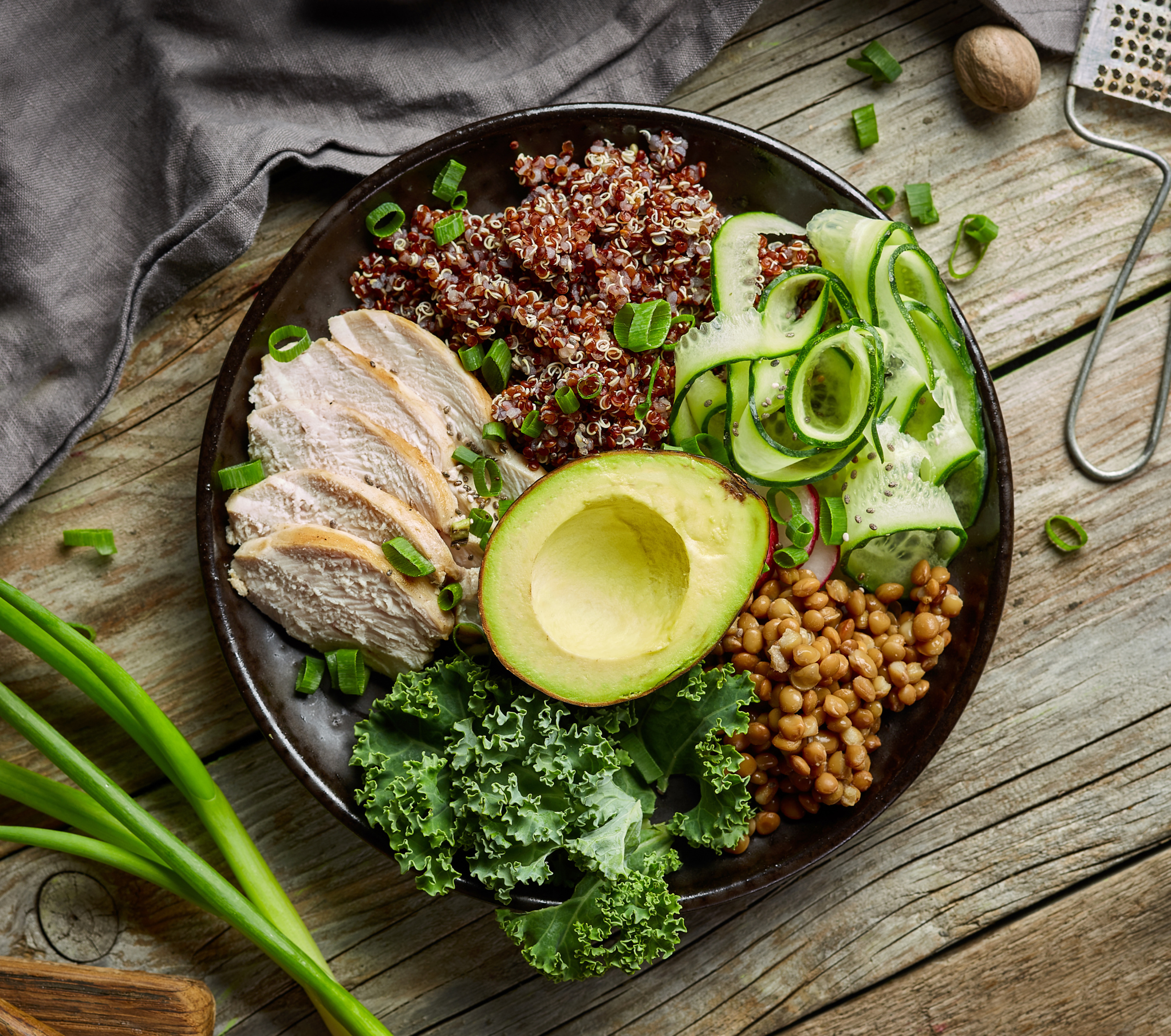
Functional and Fermented ingredients are increasingly common across food and drink, helping consumers make more intentional choices when eating and drinking out of home.










FAQs
What is a matcha latte?
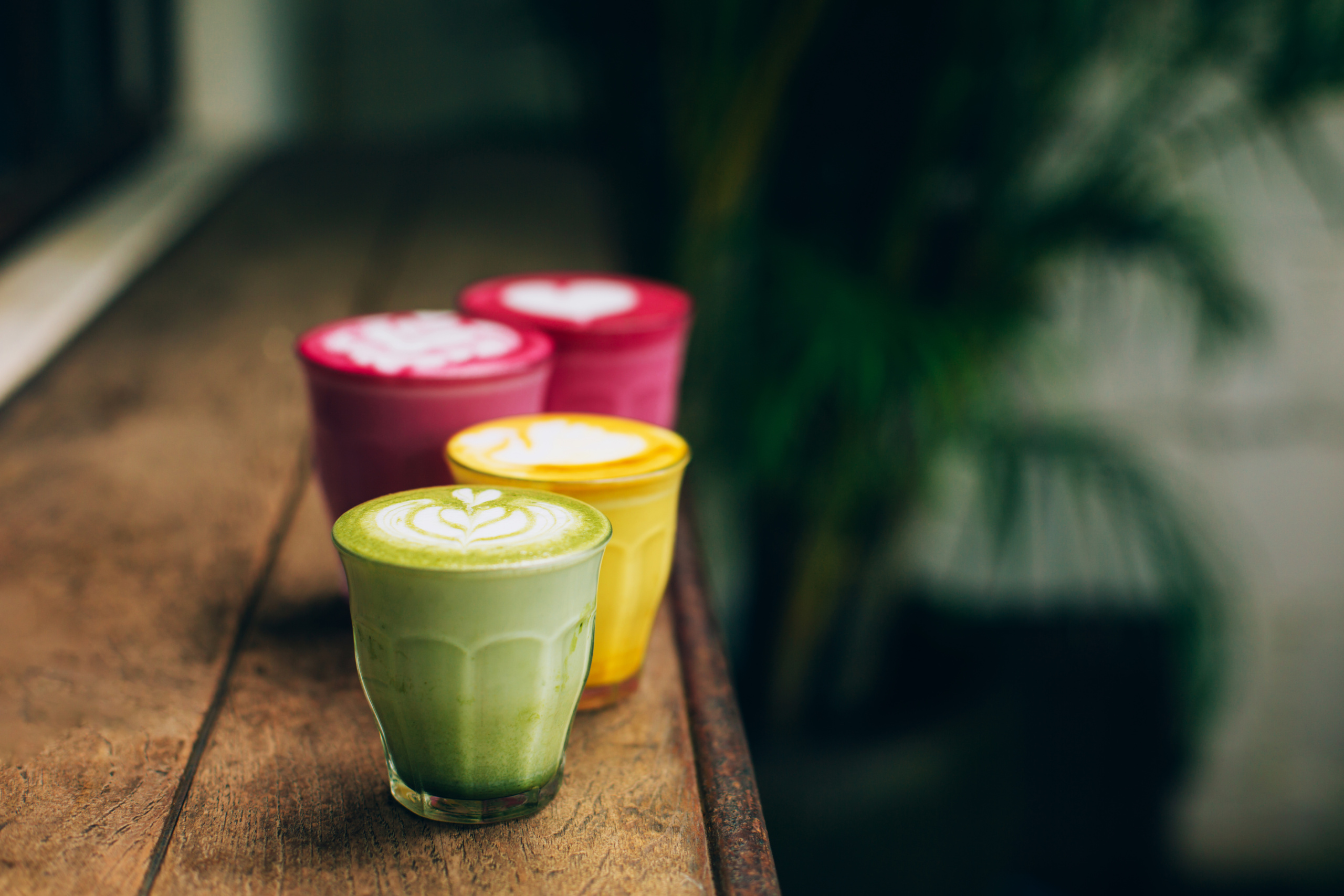
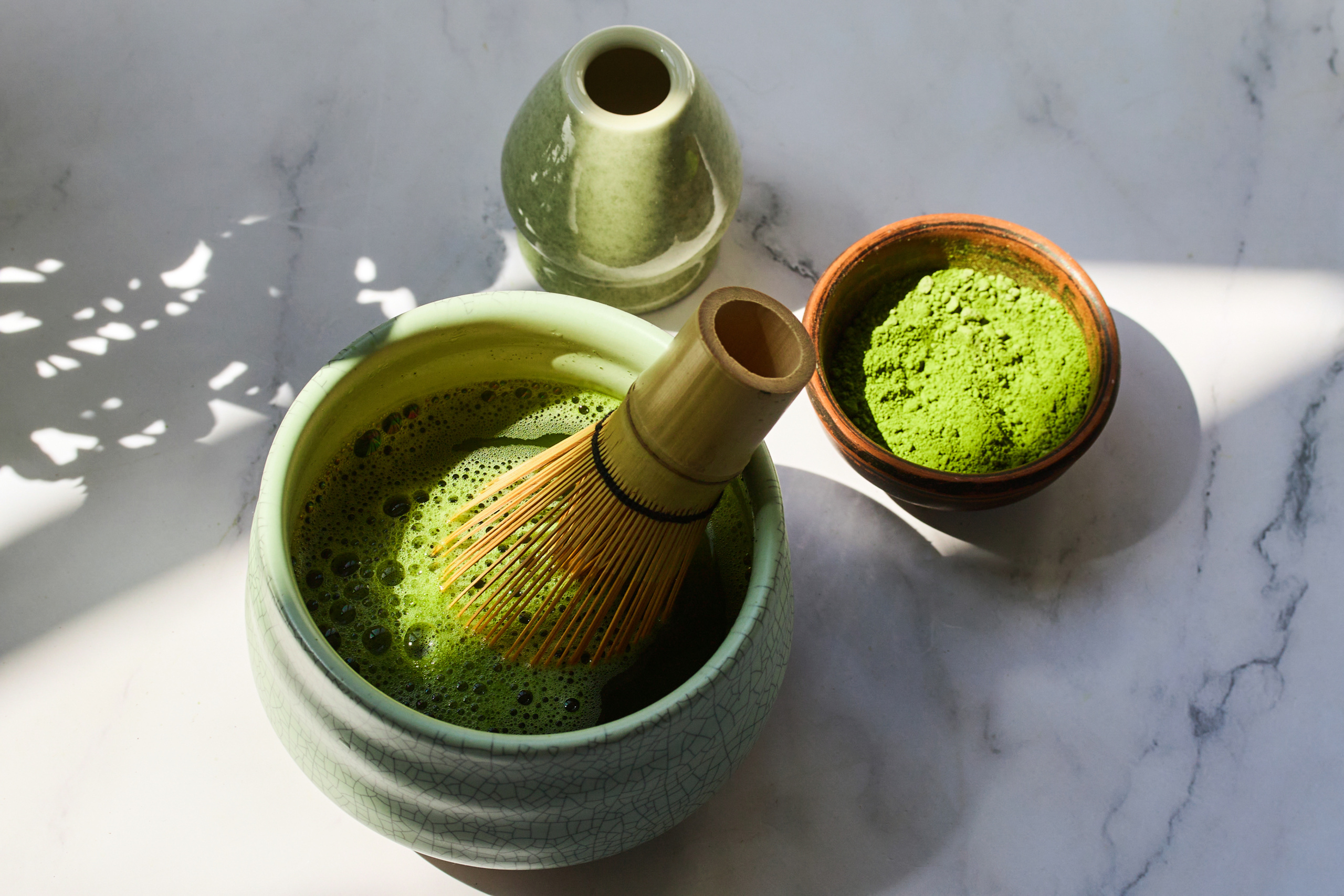
A matcha latte is made with finely ground green tea powder whisked with milk or a milk alternative. Its smooth, earthy flavour means it can be served hot or iced, while matcha's polyphenol content contributes to its growing reputation as a functional ingredient. These substances are being studied for their potential effects on our gut bacteria.
What are functional drinks?
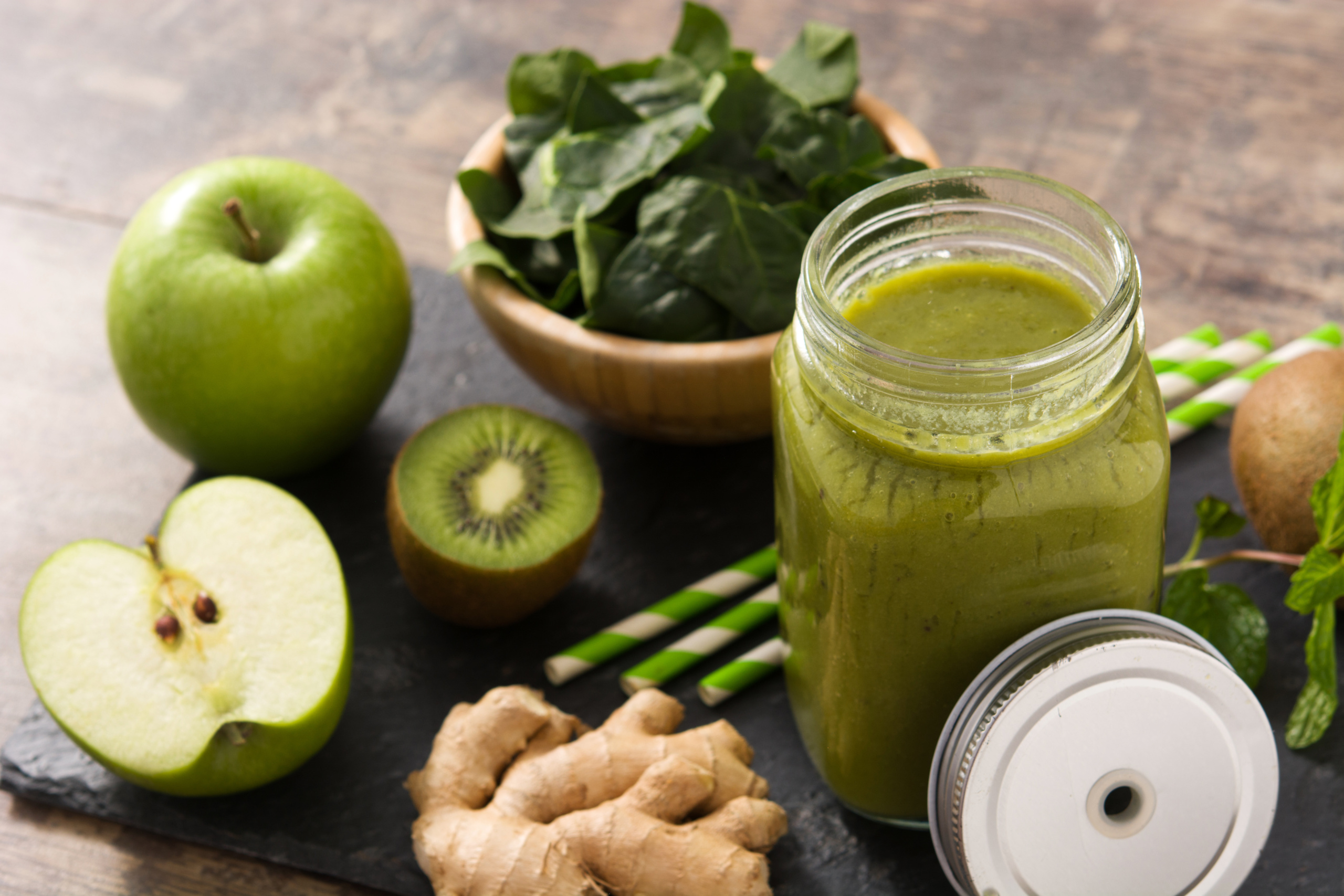
There is no single agreed definition of functional drinks. However, for the purpose of this trend we are looking at drinks that have been formulated or enhanced with additional ingredients or nutrients, intended to provide a specific benefit. These can include nutrients such as vitamins, minerals and fibre, as well as other ingredients such as botanicals, protein or collagen. These may be associated with areas such as energy, hydration or gut health, while still fitting into everyday drinking occasions (4, 5, 6).
What is lion's mane?
Lion’s mane is a type of mushroom increasingly positioned as a functional ingredient. It has attracted interest in its potential effects on cognitive function, with limited research also exploring potential links with mood and sleep. However, the evidence is still developing, so it’s best positioned as an ingredient of interest rather than one with established, targeted benefits (8).
What is golden milk?
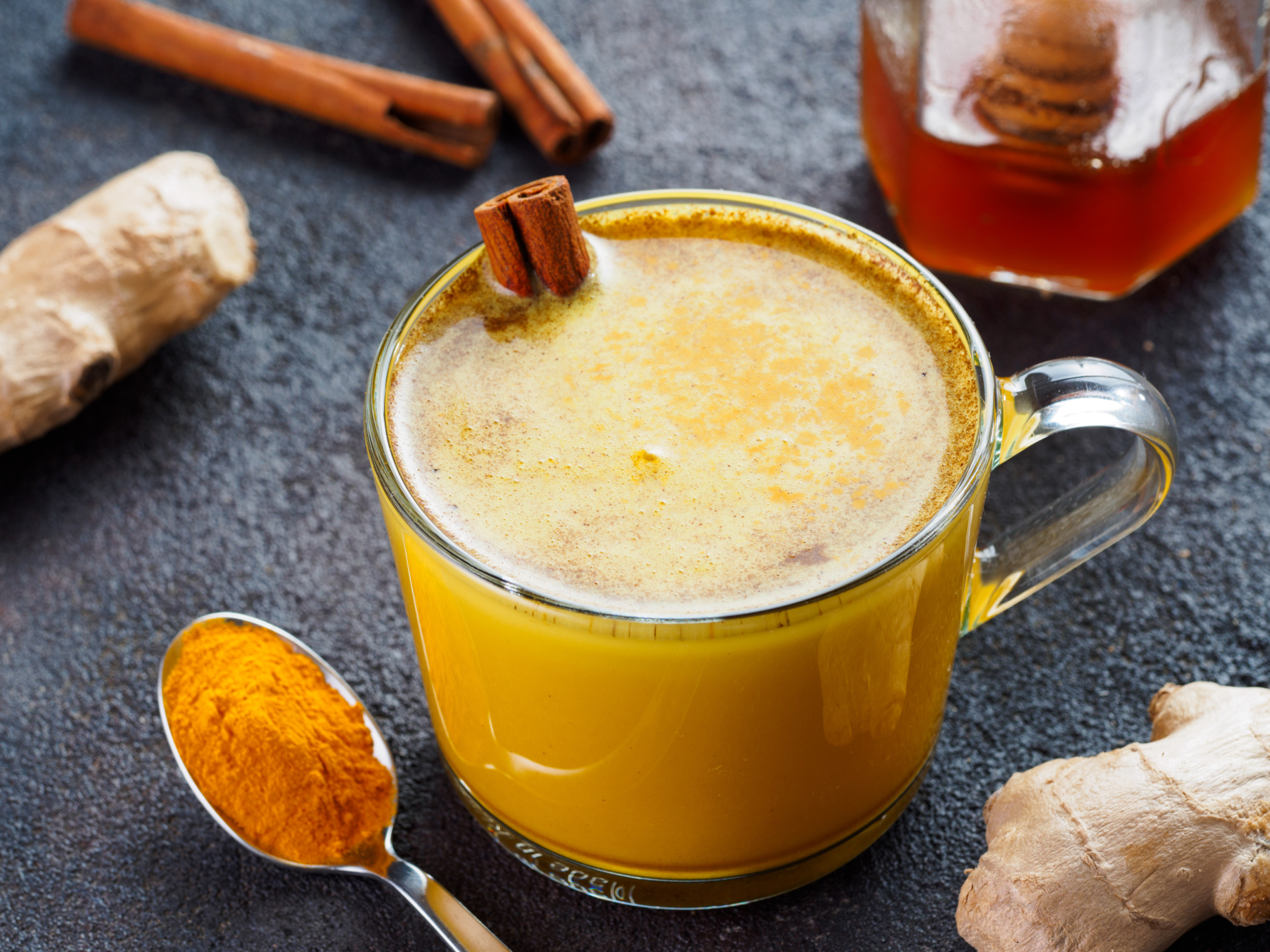
Golden milk is a warming drink usually made with turmeric, milk or a milk alternative, and spices such as cinnamon, ginger and black pepper. Turmeric contains a bioactive compound called curcumin, which has been studied for its potential antioxidant and anti-inflammatory effects. However, curcumin has a relatively low bioavailability, meaning that only a limited amount is absorbed by the body. Black pepper contains piperine, which has been shown to increase the bioavailability of curcumin, which is why these two ingredients are often paired together (15, 16).
What is collagen?
Collagen is a protein found naturally in the body, providing strength and structure to our skin, muscles, bones and other connective tissues. Collagen supplements have been studied for their potential effects in areas such as skin, joint and bone health. However, the evidence is still developing. It is important to maintain adequate intake of nutrients such as vitamin C, which contributes to normal collagen formation for the normal function of our skin and bones and zinc, which contributes to the maintenance of normal hair, skin and nails (9, 10).
What are adaptogens?
Adaptogens are plants and fungi that are traditionally used or marketed for their potential role in helping the body respond to stress. Examples include ashwagandha, rhodiola and some functional mushrooms. However, adaptogens are not a defined scientific category, and evidence for their potential effects varies between ingredients.
What foods are fermented?
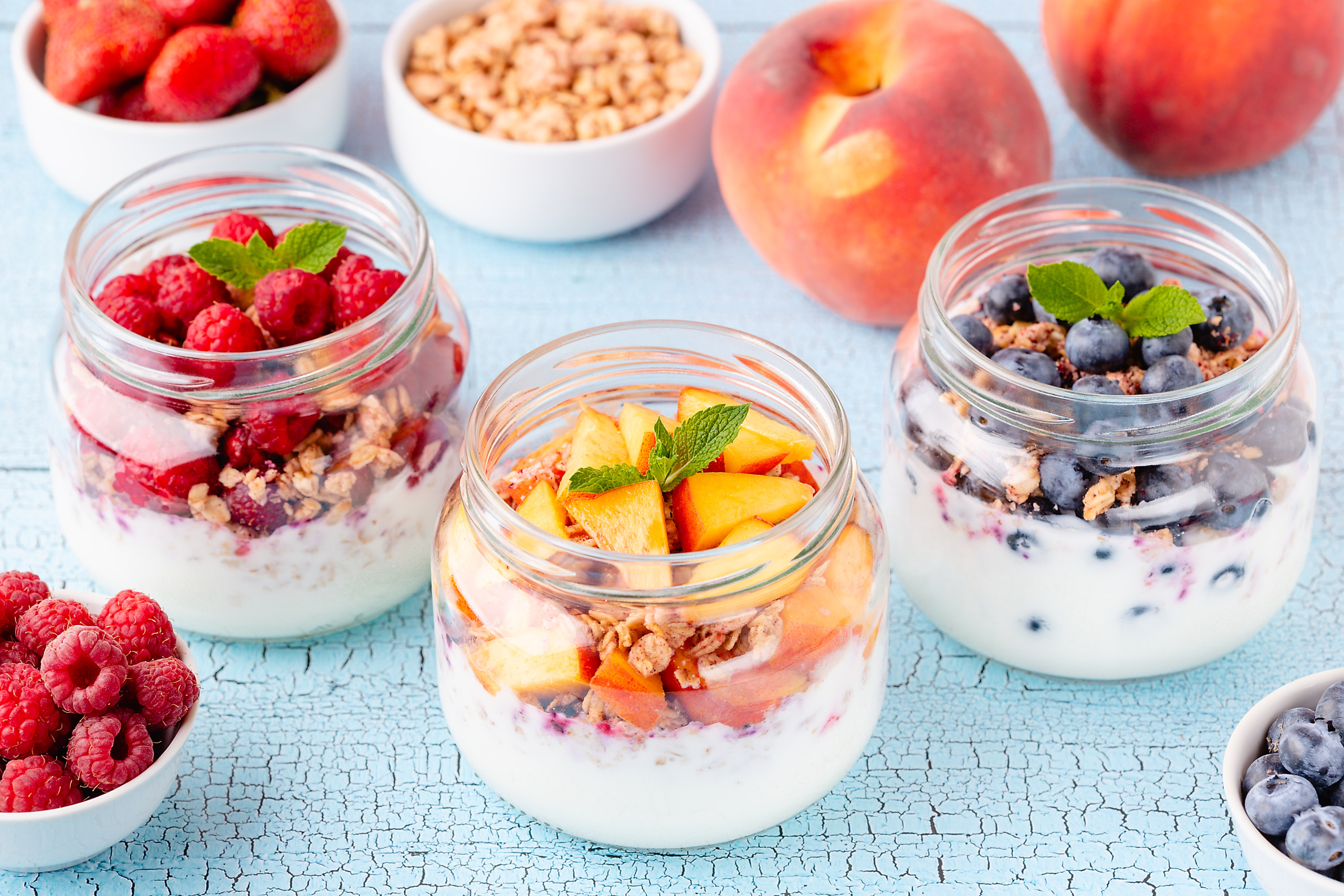
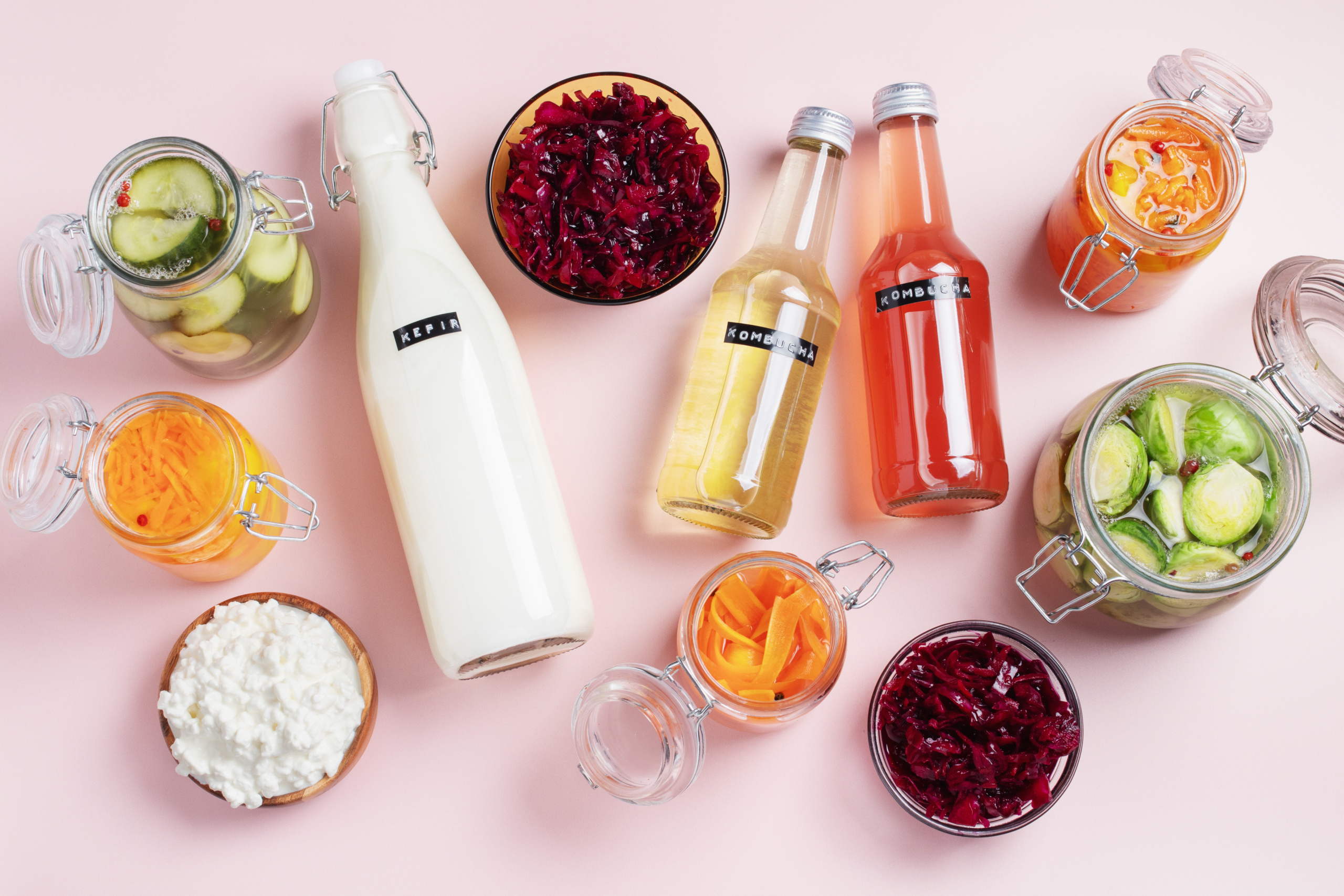
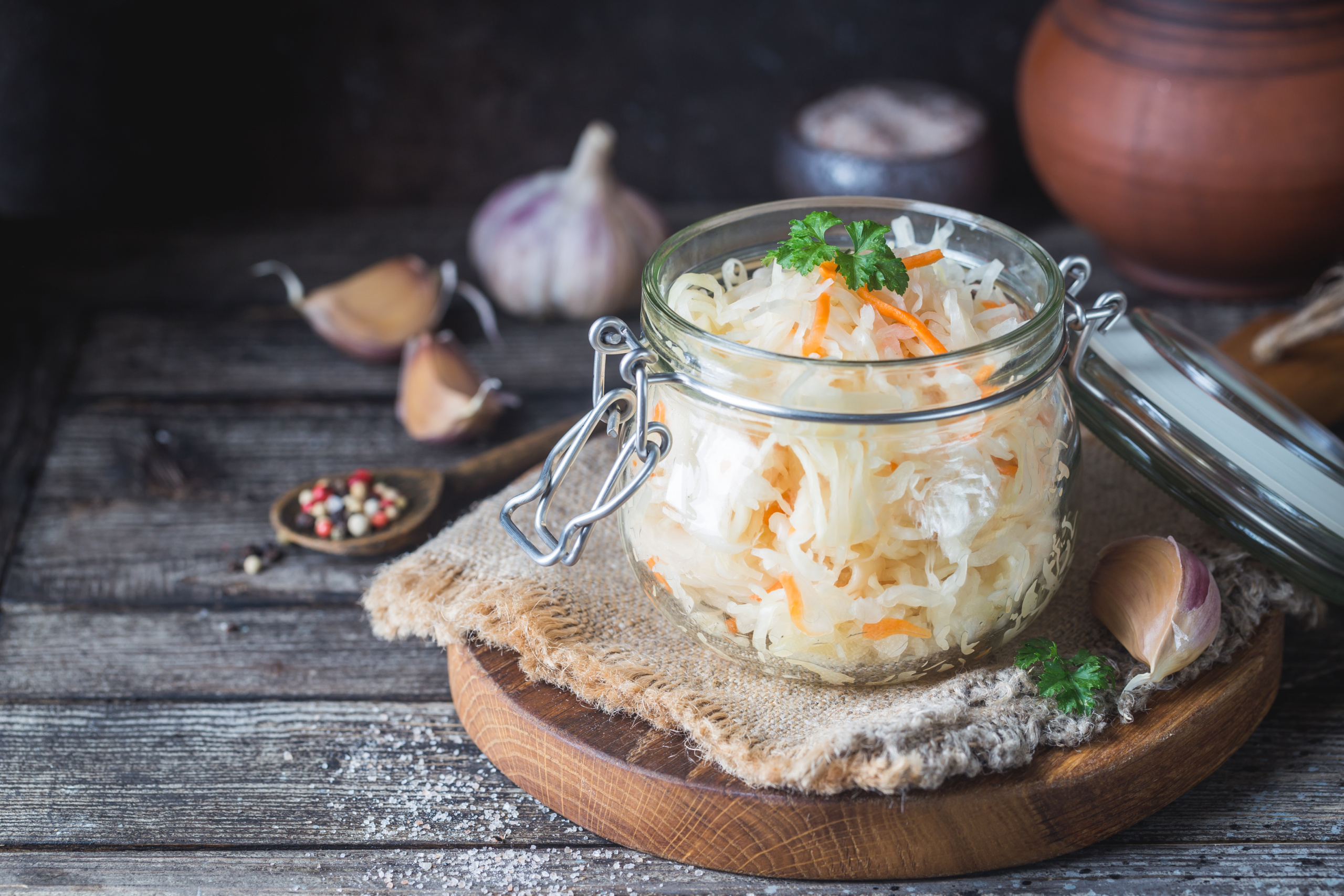
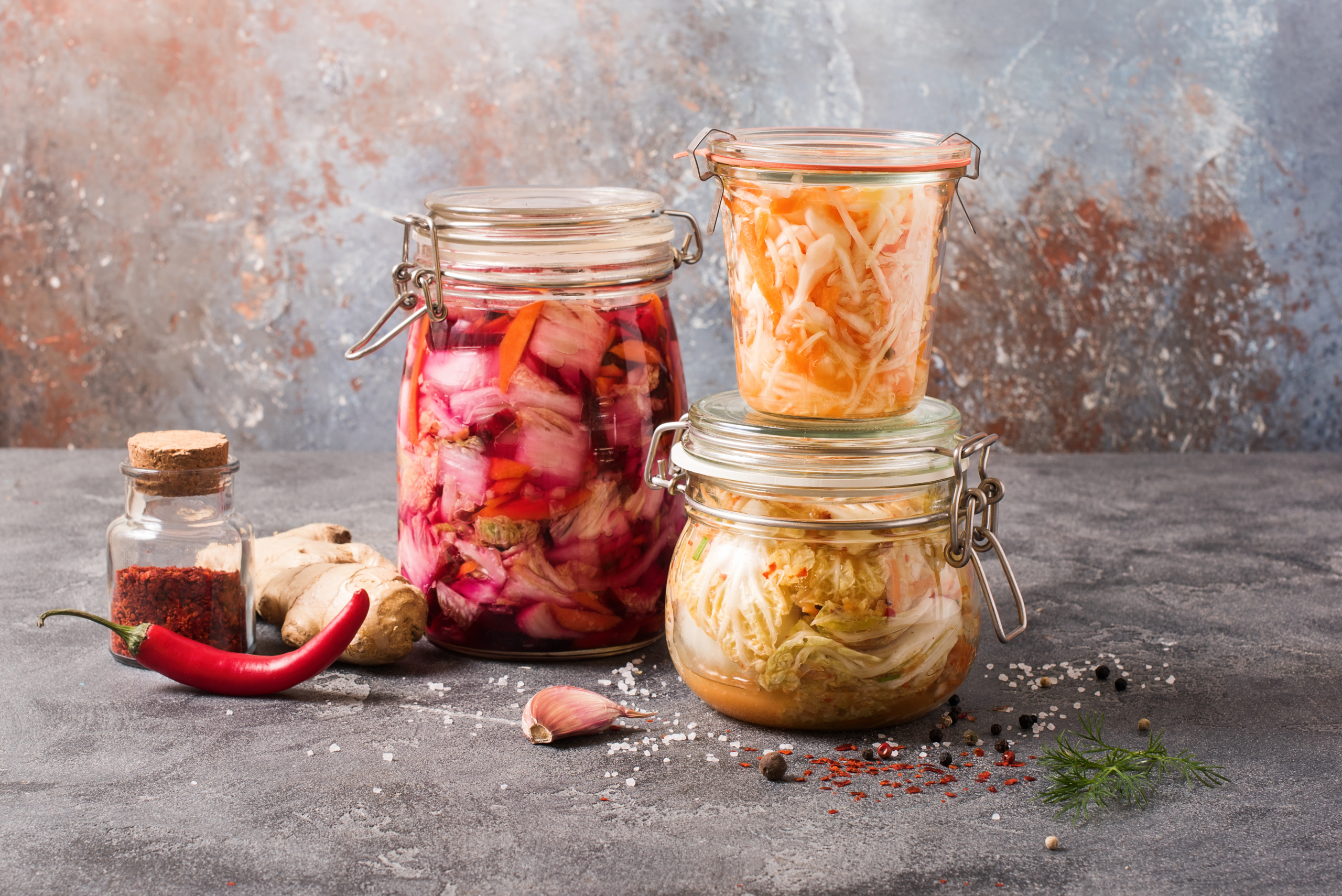
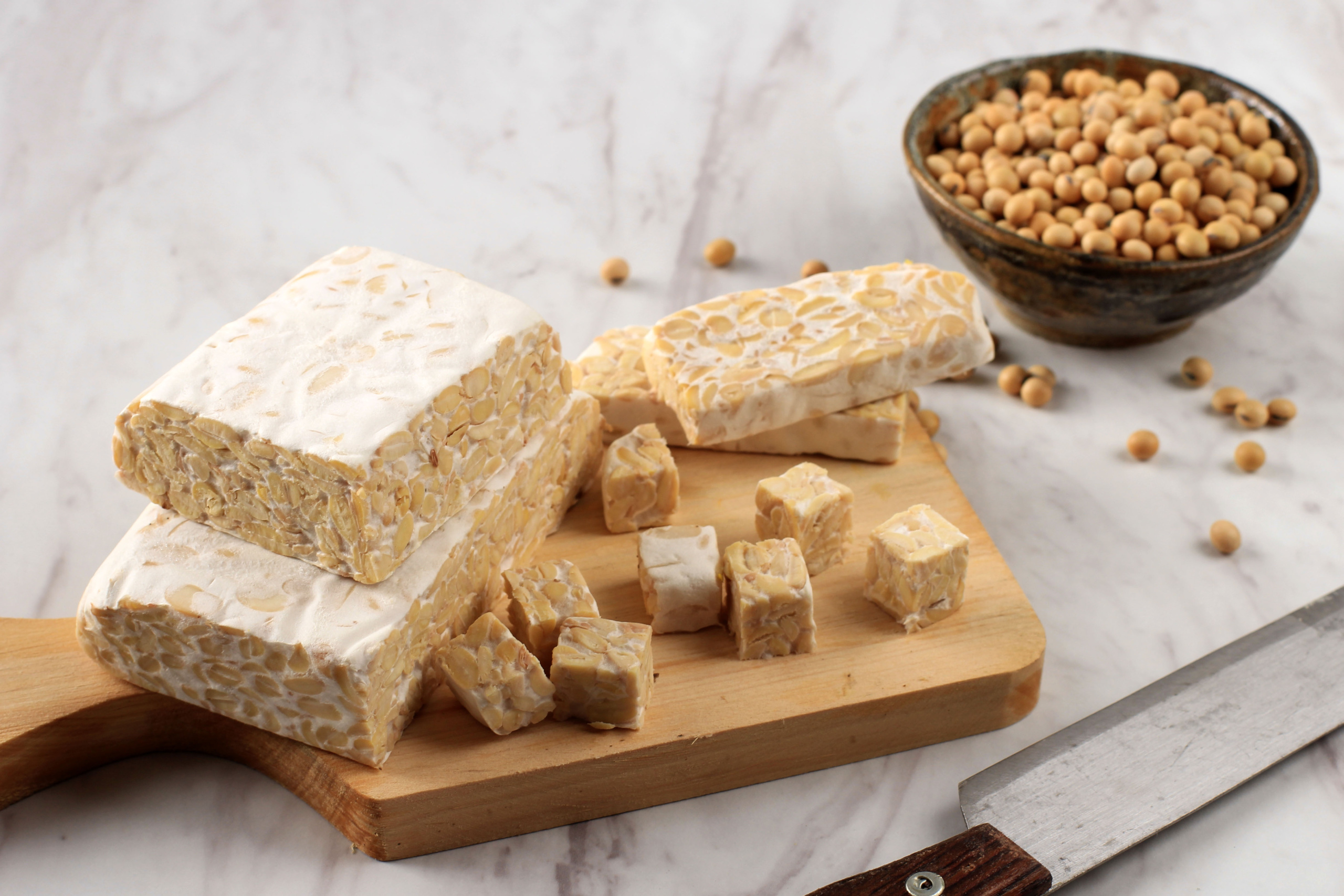
Common fermented foods include kimchi, sauerkraut, yoghurt, miso, tempeh, sourdough and some pickled vegetables. Fermentation can create distinctive tangy, savoury flavours and is often associated with gut health, although the potential benefits vary between foods.
What drinks are fermented?
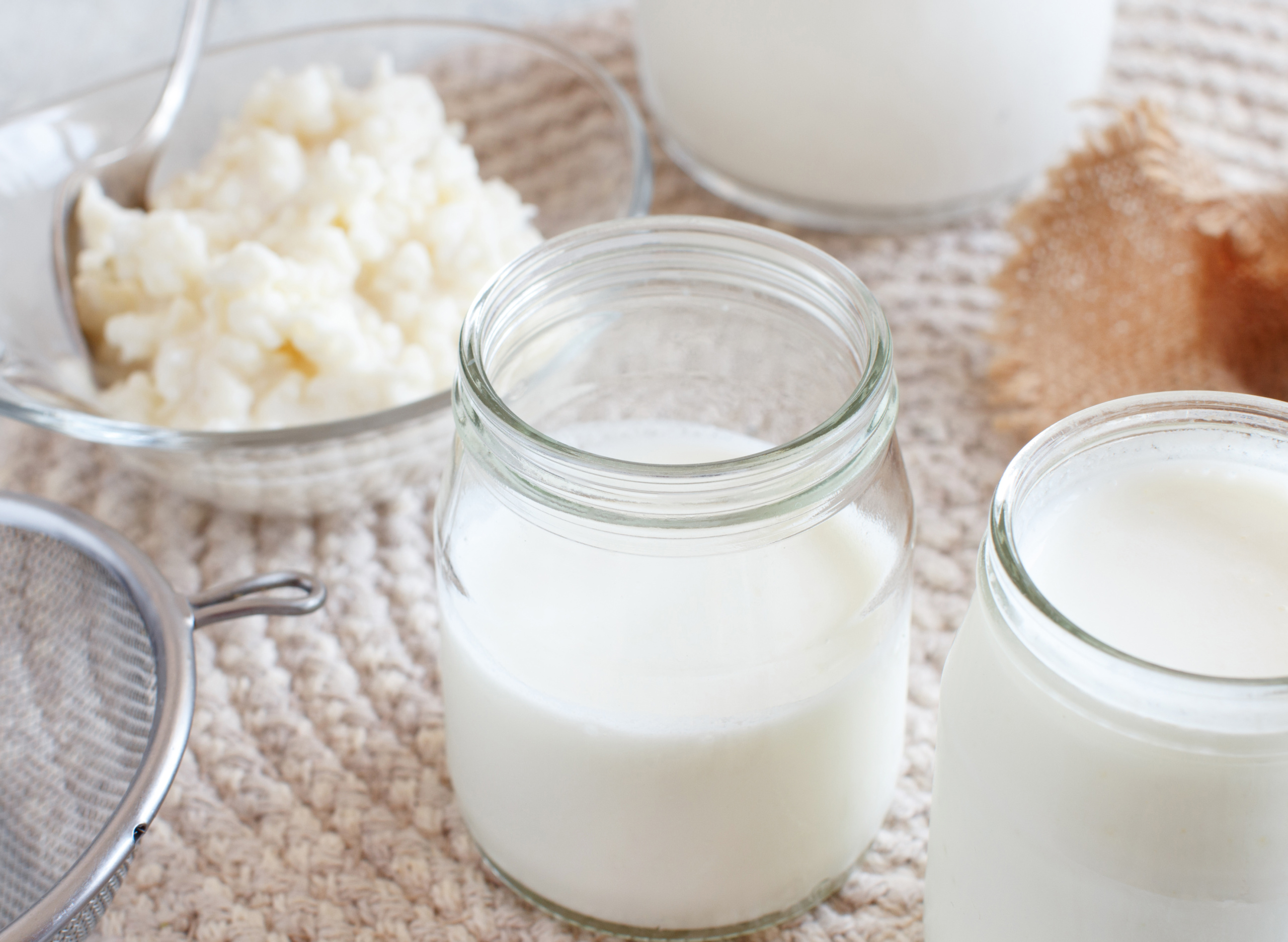
Common fermented drinks include kombucha and kefir. Some alcoholic drinks, such as beer, cider, wine and sake, are also made through fermentation. Fermentation can create distinctive flavours and, depending on the product and process, may leave live microorganisms in the finished drink.
What is kombucha?
Kombucha is a fermented tea drink made with tea, sugar and a culture of live microorganisms. It has a lightly sparkling, tangy flavour and is often associated with gut health. However, its composition can vary between products, particularly depending on the fermentation and any subsequent processing.
Are all fermented foods probiotics?
No. Probiotics are live microorganisms that, when administered in sufficient amounts, provide a health benefit. While some fermented foods contain live microorganisms, this does not automatically make them probiotic. Probiotics are specific microorganisms that have been studied for their potential health benefits (14).
Sources
Sources:
(*) Tastewise
(**) Bidfood and Yonder Omnibus Survey
(***) Lumina Intelligence UK Modern Consumer
(4) https://pmc.ncbi.nlm.nih.gov/articles/PMC9559824/
(5) https://www.fao.org/faoterm/viewentry/en/?entryId=170967
(6) https://pmc.ncbi.nlm.nih.gov/articles/PMC9998796/
(7) Mintel
(8) https://pubmed.ncbi.nlm.nih.gov/40959699/
(9) https://pubmed.ncbi.nlm.nih.gov/40324552/
(10) https://pubmed.ncbi.nlm.nih.gov/37432180/
(11) https://www.gov.uk/government/publications/great-britain-nutrition-and-health-claims-nhc-register
(12) https://www.bda.uk.com/resource/should-we-be-recommending-fermented-foods.html
(13) https://www.bda.uk.com/resource/fermented-foods.html
(14) https://mynutriweb.com/fermented-foods-an-evidence-update/
(15) https://pmc.ncbi.nlm.nih.gov/articles/PMC13118882/
(16) https://pmc.ncbi.nlm.nih.gov/articles/PMC12408333/
(17) NIQ, Unlocking the RTD opportunity in the UK’s on-trade