Our message to the Prime Minister calling for an urgent ‘Good Food Bill’
- 31 July 2026
In an ever-changing political landscape it can often be difficult to keep up with the times. However, Bidfood’s current affairs page will help keep you informed on the latest news impacting the hospitality and wholesale industry. From what’s going on in Westminster, to updates on legislation and policy, our experts our ready to give their thoughts on the biggest stories affecting you.

As a foodservice wholesaler, we’re all too familiar with the risks and challenges of resilient food supply, from our network of UK fruit and vegetable growers who are dealing firsthand with all the challenges outlined in this letter, to the price increases that are experienced by both our public and private sector customers. I would entirely agree with the Labour election manifesto that ‘food security is national security’, so for this and more reasons, Bidfood entirely supports the call for a Good Food Bill.

The announcement that the new Prime Minister, Andy Burnham, will introduce a 20% cut to business rates for pubs, clubs and live music venues across England is a welcome step, recognising the vital role these venues play in supporting local communities, high streets and the wider economy.
At Bidfood, we know many of our customers continue to navigate a challenging trading environment, with ongoing cost pressures, evolving consumer expectations and the need to strike the right balance between value and quality. Any measure that eases financial pressures on operators and enables investment, protects jobs and sustains important community spaces is a positive development for the industry.
While this targeted relief will provide welcome support for those eligible, it is disappointing that it does not extend across the wider hospitality industry. Restaurants, cafés, hotels and other foodservice businesses are facing many of the same challenges, from rising operating costs to changing consumer demand. A broader, more comprehensive approach to business rates reform would help ensure support reaches the full spectrum of hospitality businesses that underpin local economies, create employment opportunities and contribute to thriving communities across the UK.
Hospitality is the UK’s third largest employer, and long-term growth will depend on policies that provide certainty and support for businesses of all sizes. As further details of the government’s plans emerge, Bidfood will continue to monitor developments closely and keep customers informed about what these could mean for their businesses.

Hospitality has never lacked resilience, but resilience alone cannot absorb every pressure being thrown at the industry. From rising labour costs and inflation, to higher energy bills and ongoing pressure on consumer spending, operators are being asked to do more with less – while still delivering quality, value and consistency every day.
That is why UKHospitality’s ‘VATs the Problem’ campaign has struck such a chord across the industry. Backed by well-known chef Tom Kerridge, the campaign is calling for the Government to cut hospitality VAT from 20% to 10%, bringing the UK closer to other European markets where lower rates are already recognised as a way to support growth, protect jobs and keep venues viable. For many businesses, this is not about special treatment but instead creating fairer conditions for an industry that sits at the heart of communities, high streets and local economies.
A lower VAT rate would undoubtedly make a difference, but operators also need practical support in the here and now. That is where Bidfood’s Unlock Your Menu comes in. Designed to help foodservice businesses navigate exactly these kinds of challenges, it offers expert advice, smart tools and cost-saving ideas on everything from menu engineering and kitchen efficiency, to tackling inflationary pressures, reducing waste and easing staffing challenges.
In many ways, Unlock Your Menu complements the ambitions of the VATs the Problem campaign. While UKHospitality is championing policy changes that could deliver meaningful financial support across the sector, Unlock Your Menu provides operators with practical advice they can implement immediately. It enables businesses to maximise the value of every ingredient, menu item and service period, helping to balance rising costs, while maintaining a positive customer experience.
Hospitality has always been an industry built on adaptability. What it needs now is for that adaptability to be met with support from policy makers. If we want a sector that can continue to invest, employ and serve communities well, we need to make the case for change while also helping operators act today.
We are disappointed by the Government’s confirmation in last week’s King’s Speech that it intends to proceed with a tourism...

We are disappointed by the Government’s confirmation in last week’s King’s Speech that it intends to proceed with a tourism tax, introducing an additional cost for the industry at a challenging time. With families and hospitality businesses already managing rising costs, there is understandable concern that extra charges on overnight stays could make UK holidays less affordable and place added pressure on the visitor economy.
As UKHospitality has highlighted, there is a risk that this measure could disproportionately affect lower-income households, impact domestic tourism, and reduce the UK’s competitiveness as a destination while the sector continues to navigate ongoing economic pressures.
At the same time, the hospitality and tourism sector has repeatedly demonstrated its resilience, adaptability, and value to communities across the country. Businesses have continued to support local economies despite economic and operational challenges in recent years. That resilience is something the industry should be proud of, and it remains a vital strength as the sector looks to the future.
We believe it is important that any new measures are carefully considered to avoid placing unnecessary pressure on an industry that contributes so much and would encourage the Government to continue engaging closely with the sector to avoid any unintended consequences.
School meals are a vital opportunity help children access healthier, balanced meals that include a variety of nutrient-dense foods such...
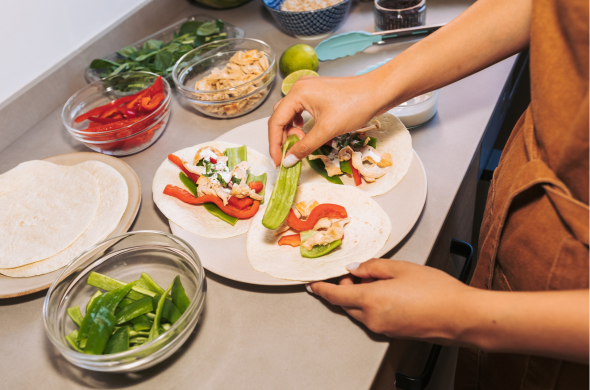
School meals are a vital opportunity help children access healthier, balanced meals that include a variety of nutrient-dense foods such as fruits, vegetables and beans. However, any reform must also be practical, properly funded and designed around what children want to eat. Without this balance, there is a real risk of limiting the intended impact and compromising nutritional outcomes.
At present, the proposed approach may not fully reflect the day-to-day realities of school food provision. A strong focus on tighter nutritional standards, without equal consideration of the operational realities faced by school caterers could result in requirements that appear credible in theory but are difficult to deliver consistently in practice, particularly across a diverse school system.
If menus become more restrictive or less appealing, while still carrying a cost to parents, there is a real possibility that meal uptake could decline. In that scenario, more families may turn to packed lunches, which are typically unregulated, less consistent in nutritional quality, and often include processed foods high in salt and sugar, directly undermining the health outcomes these reforms are intended to achieve.
There is also a significant risk of unintended consequences across the supply chain. While there is a clear need to improve the nutritional quality of school food, including reformulations of some products where appropriate, limited engagement with caterers and suppliers, alongside a short adjustment window, may place strain on existing contracts, require changes to product specifications, and reduce menu flexibility, all within an already cost-sensitive environment.
The risks are even greater in secondary settings. Older pupils have more independence and choice. If the food offer feels imposed, unrealistic, or out of step with their preferences, many will opt out altogether, skipping meals or turning to less healthy options outside school.
If the government is to achieve meaningful improvements in children’s nutrition, it will be important to go beyond setting standards and address the practical barriers schools face. This includes engaging closely with school caterers, and supporting implementation through effective guidance, allowing a degree of flexibility rather than one-size-fits-all approach to reflect the diversity across school settings. This should be underpinned by stronger enforcement, and food education for both pupils and parents to encourage uptake.
Ultimately, the success of the updated School Food Standards will depend not just on ambition of the standards themselves, but on whether they translate into meals that can be consistently delivered and are widely eaten by pupils. Getting this balance right will be key to improving dietary outcomes.
The recent increase in the UK minimum wage is a positive step in supporting workers through ongoing cost-of-living pressures, and...

The recent increase in the UK minimum wage is a positive step in supporting workers through ongoing cost-of-living pressures, and we recognise its role in improving staff retention and morale. However, these changes will inevitably result in rising labour costs, placing added pressure on margins and operational budgets across the sector.
With labour already one of the highest costs for us, our customers and our suppliers, this adds to existing challenges such as rising food prices, energy bills, and business rates. As a result, many businesses may be forced to make difficult decisions, including reviewing staffing levels, adjusting opening hours, or increasing menu prices. While we remain committed to fair pay, it is important that these changes are balanced with appropriate support to ensure the long-term sustainability of the hospitality industry.
Currently, around 4–7% of UK adults (approximately 2.1–3.7 million people) are using GLP-1 medications such as Wegovy, Ozempic and Mounjaro...

Currently, around 4–7% of UK adults (approximately 2.1–3.7 million people) are using GLP-1 medications such as Wegovy, Ozempic and Mounjaro for weight loss, with usage roughly doubling between 2024 and 2025 (KAM). These drugs suppress appetite, meaning users typically eat less and need to make careful food choices to meet their nutritional needs (British Nutrition Foundation).
As a result, when eating out, many are seeking venues that offer healthier options and allow customisation, while research also suggests 65% say they now choose different types of food and are willing to pay a premium for healthier options (KAM).
Venues can respond by offering smaller portions and incorporating more nutrient-dense ingredients such as beans, lean meat, fish, wholegrains, nuts, seeds, fruit and vegetables. This reflects a broader shift in the UK eating-out market, where growing health awareness extends beyond GLP-1 users, driving demand for dishes that are higher in protein and fibre and lower in sugar, without compromising on flavour (Lumina Intelligence UK Menu & Food Trends Report). The key opportunity for operators will be balancing these nutrient-dense choices with familiar favourites to reflect how consumers’ eating habits are evolving.
The Scottish Government’s decision to reduce business rates for hospitality businesses is a welcome and much-needed step for the sector....

The Scottish Government’s decision to reduce business rates for hospitality businesses is a welcome and much-needed step for the sector. Hospitality venues are the backbone of our high streets and communities, and targeted relief like this will help protect jobs, sustain investment and support local economies.
However, this must be seen as just the start. Businesses continue to face significant cost increases across wages, energy, food and drink, and other operating expenses. While this action provides important breathing space, many operators will still be under intense financial pressure in the months ahead.
We hope this signals a sustained commitment to backing hospitality and delivering the longer-term, structural reform needed to create a fair and competitive operating environment for the sector across Scotland.
We note the government’s announcement this week, which will see some pubs, depending on rateable value, receive reduced business rates....

We note the government’s announcement this week, which will see some pubs, depending on rateable value, receive reduced business rates. However, this relief applies only to pubs, leaving restaurants, hotels, and much of the wider hospitality sector to continue facing the same intense pressures as before.
Pubs play a vital role in the wider supply chain, supporting food and drink suppliers, logistics partners, local producers, and communities, while providing a crucial first step into employment for many.
But crucially, this measure does little more than return pubs to the position they were in prior to the budget, at a time when many were already struggling. In reality, it is less a meaningful benefit and more the removal of additional financial pain, rather than a solution to the sector’s underlying challenges. While welcome, it does not address the structural issues within the business rates system.
Hospitality is far broader than pubs, and the sector urgently needs long-term support to survive and invest in the future. As UKHospitality and other industry voices have stressed, lasting reform of business rates and targeted support are essential for hospitality businesses to remain viable and thrive.
UK farmers deserve our full support. They are the backbone of national food security, ensuring we can feed ourselves with...
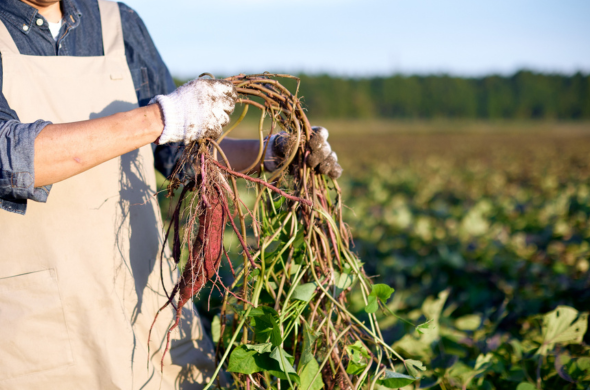
UK farmers deserve our full support. They are the backbone of national food security, ensuring we can feed ourselves with high-quality, traceable produce while reducing reliance on imports. Beyond food, farming sustains rural economies, supports thousands of jobs, and protects the countryside we all value. These are often family-run businesses passed down through generations, operating on tight margins and long hours. Fair, stable policy matters, not just for farmers, but for everyone who depends on a secure, resilient food system.
The HFFS advertising restrictions introduced will reduce the prominence of less healthy food and drink advertising, marking a positive step...
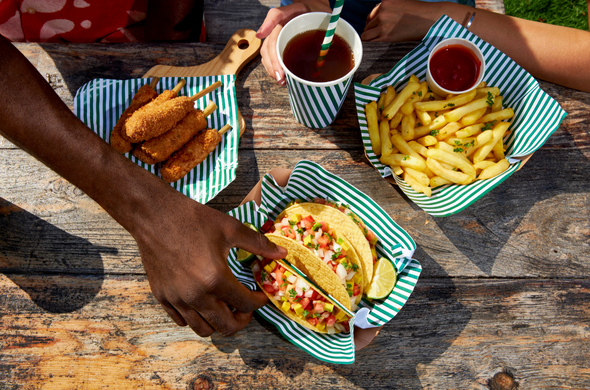
The HFFS advertising restrictions introduced will reduce the prominence of less healthy food and drink advertising, marking a positive step for public health. While brand advertising remains exempt, meaning companies selling predominantly less healthy products will still be visible, they will need to shift away from promoting specific products, creating a clear incentive for change.
Products are assessed using the Nutrient Profiling Model, which balances positive and negative nutrients. This encourages brands with products close to the threshold to reformulate in order to fall outside the restrictions. Even modest changes, applied at scale, can have a significant impact on population health, and I hope this drives a new wave of reformulation, innovation and more responsible, health-led marketing across the industry.
Like last year, today’s budget once again gives little to be positive about. The 5p discount to hospitality and leisure...

Like last year, today’s budget once again gives little to be positive about. The 5p discount to hospitality and leisure business rates is unlikely to bring much benefit, against a backdrop of rising costs from increases to the minimum wage, and last year’s hikes in employer National Insurance contributions. Whilst we wait to see the full details, as a business, the increases on business rates to large warehouses and the removal of National Insurance relief on salary sacrifice pension contributions over £2,000 will have a significant impact on the costs within our supply chain. It is clear that the government still does not fully recognise the importance of business growth or the vital role that hospitality, foodservice and wholesaler sectors play in our economy and society, and the acute nature of the challenges they face.
The latest figures from UK Hospitality reveal that of the 164,641 job losses across the UK since last October’s Budget,...

The latest figures from UK Hospitality reveal that of the 164,641 job losses across the UK since last October’s Budget, almost 89,000 have come from hospitality alone. This means our sector accounts for more than half of all redundancies – a stark reminder that pubs, restaurants, bars and hotels are being pushed beyond breaking point. While we welcome recent government steps, such as the 40% rates relief for 2025/26 and plans to consider lower multipliers from 2026, these measures are not enough to offset the tax increases and rising costs that have disproportionately hit hospitality.
We support UK Hospitality’s call for urgent action at the November Budget. The Chancellor must urgently consider applying the maximum discount to the multiplier for hospitality properties under £500,000, pause measures that would drive up costs further, and bring forward targeted reliefs to safeguard jobs. Without decisive intervention, more businesses will close and communities across the UK will lose not only vital local venues but also the livelihoods they sustain.