Our message to the Prime Minister calling for an urgent ‘Good Food Bill’
- 31 July 2026
In an ever-changing political landscape it can often be difficult to keep up with the times. However, Bidfood’s current affairs page will help keep you informed on the latest news impacting the hospitality and wholesale industry. From what’s going on in Westminster, to updates on legislation and policy, our experts our ready to give their thoughts on the biggest stories affecting you.

As a foodservice wholesaler, we’re all too familiar with the risks and challenges of resilient food supply, from our network of UK fruit and vegetable growers who are dealing firsthand with all the challenges outlined in this letter, to the price increases that are experienced by both our public and private sector customers. I would entirely agree with the Labour election manifesto that ‘food security is national security’, so for this and more reasons, Bidfood entirely supports the call for a Good Food Bill.

The announcement that the new Prime Minister, Andy Burnham, will introduce a 20% cut to business rates for pubs, clubs and live music venues across England is a welcome step, recognising the vital role these venues play in supporting local communities, high streets and the wider economy.
At Bidfood, we know many of our customers continue to navigate a challenging trading environment, with ongoing cost pressures, evolving consumer expectations and the need to strike the right balance between value and quality. Any measure that eases financial pressures on operators and enables investment, protects jobs and sustains important community spaces is a positive development for the industry.
While this targeted relief will provide welcome support for those eligible, it is disappointing that it does not extend across the wider hospitality industry. Restaurants, cafés, hotels and other foodservice businesses are facing many of the same challenges, from rising operating costs to changing consumer demand. A broader, more comprehensive approach to business rates reform would help ensure support reaches the full spectrum of hospitality businesses that underpin local economies, create employment opportunities and contribute to thriving communities across the UK.
Hospitality is the UK’s third largest employer, and long-term growth will depend on policies that provide certainty and support for businesses of all sizes. As further details of the government’s plans emerge, Bidfood will continue to monitor developments closely and keep customers informed about what these could mean for their businesses.

Hospitality has never lacked resilience, but resilience alone cannot absorb every pressure being thrown at the industry. From rising labour costs and inflation, to higher energy bills and ongoing pressure on consumer spending, operators are being asked to do more with less – while still delivering quality, value and consistency every day.
That is why UKHospitality’s ‘VATs the Problem’ campaign has struck such a chord across the industry. Backed by well-known chef Tom Kerridge, the campaign is calling for the Government to cut hospitality VAT from 20% to 10%, bringing the UK closer to other European markets where lower rates are already recognised as a way to support growth, protect jobs and keep venues viable. For many businesses, this is not about special treatment but instead creating fairer conditions for an industry that sits at the heart of communities, high streets and local economies.
A lower VAT rate would undoubtedly make a difference, but operators also need practical support in the here and now. That is where Bidfood’s Unlock Your Menu comes in. Designed to help foodservice businesses navigate exactly these kinds of challenges, it offers expert advice, smart tools and cost-saving ideas on everything from menu engineering and kitchen efficiency, to tackling inflationary pressures, reducing waste and easing staffing challenges.
In many ways, Unlock Your Menu complements the ambitions of the VATs the Problem campaign. While UKHospitality is championing policy changes that could deliver meaningful financial support across the sector, Unlock Your Menu provides operators with practical advice they can implement immediately. It enables businesses to maximise the value of every ingredient, menu item and service period, helping to balance rising costs, while maintaining a positive customer experience.
Hospitality has always been an industry built on adaptability. What it needs now is for that adaptability to be met with support from policy makers. If we want a sector that can continue to invest, employ and serve communities well, we need to make the case for change while also helping operators act today.
At Bidfood, we welcome the government’s commitment to building a more secure, sustainable, and resilient food system. Now more than...
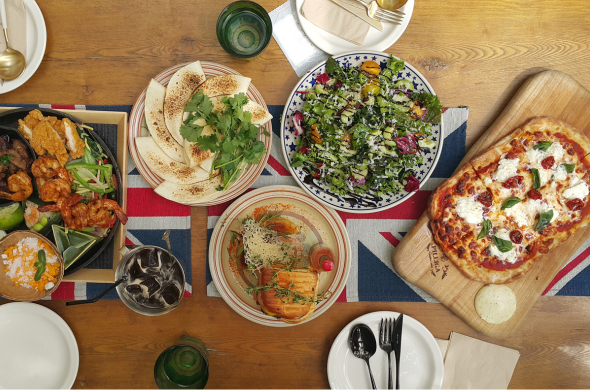
At Bidfood, we welcome the government’s commitment to building a more secure, sustainable, and resilient food system. Now more than ever, it is vital to rethink how we produce, manufacture, distribute, and sell food to create a fairer system for all. Addressing today’s urgent challenges will require real commitment and a coordinated strategy that ensures food is secure, nutritious, sustainable, and affordable for families now and for future generations. We are proud to continue playing our part in shaping a food system that works for people, businesses, and the planet.
As one of the largest suppliers to the pub sector, we stand firmly behind publicans as we approach the Autumn...
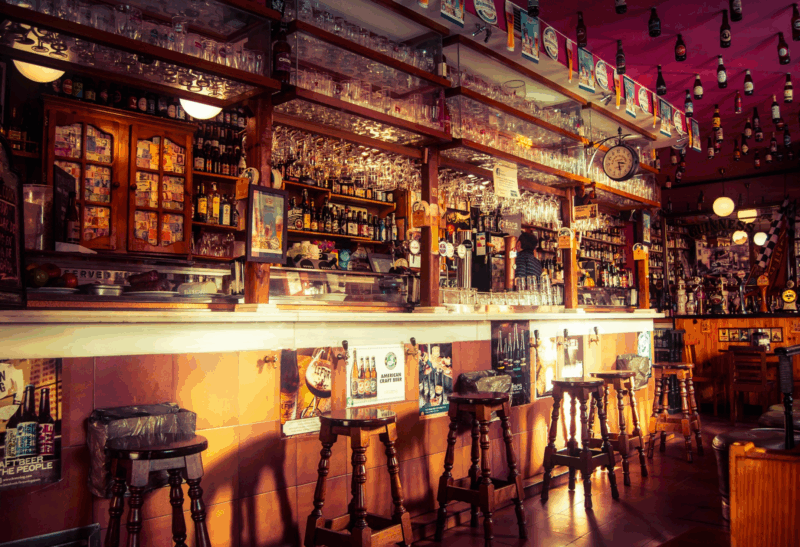
As one of the largest suppliers to the pub sector, we stand firmly behind publicans as we approach the Autumn Budget.
We urge the government to urgently address the severe challenges currently faced across hospitality, and in particular within the pub industry.
Publicans need a fairer and more balanced tax framework – one that enables them to turn sales into sustainable profits, attract ongoing investment, and safeguard vital community spaces.
The pub sector continues to provide an essential pathway into employment for young and talented people. To protect these opportunities, and the jobs and working hours they create, we call for meaningful policy change from government.
You may have seen that in recent months meat prices in the UK have risen sharply, especially beef which is...
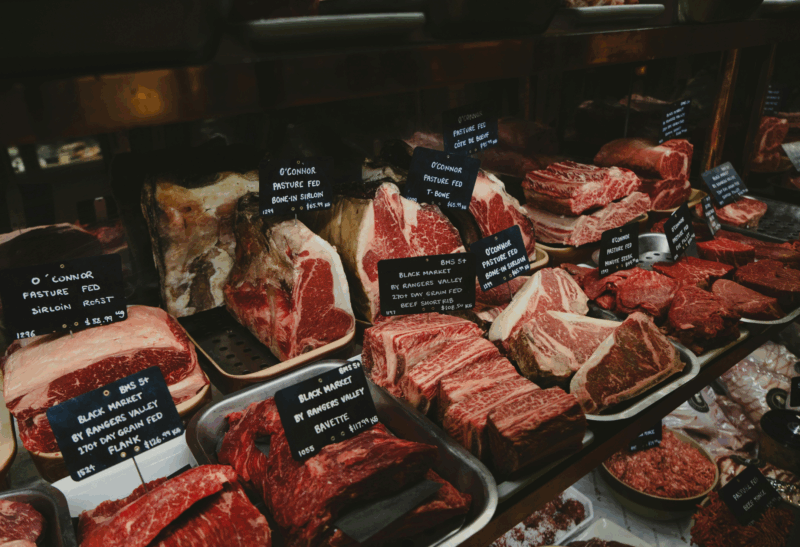
You may have seen that in recent months meat prices in the UK have risen sharply, especially beef which is up 30 to 40% compared to last year. This is due to a combination of factors including reduced supply, increased demand globally, higher costs such as National Minimum Wage (NMW) and National Insurance (NI), weather issues, feed and fuel costs, and post-Brexit tariffs.
Due to these challenges, especially the rise in NI and NMW, it is clear the farming industry needs support and investment to survive. Previous removal of inheritance tax benefits and subsidies has hurt farmers, evidenced by over 30 farms being forced to close in Scotland alone over the past 12-18 months. There is hope for support in the Autumn budget, but for now it remains a volatile environment.
As a key supplier to the UK hospitality sector, Bidfood is voicing the concerns shared across the industry regarding the...
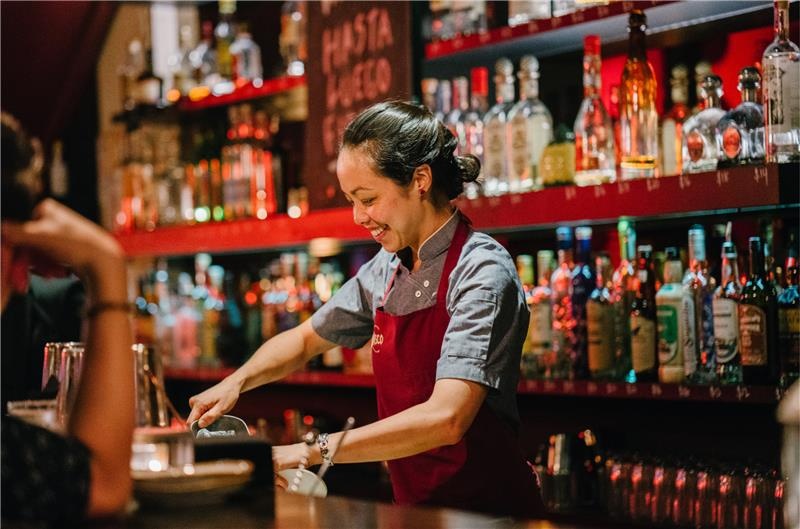
As a key supplier to the UK hospitality sector, Bidfood is voicing the concerns shared across the industry regarding the planned removal of key hospitality roles from the Skilled Worker visa route from 22 July 2025.
Roles such as chefs, restaurant and catering managers, and hotel and bar supervisors are vital to the success and smooth operation of hospitality businesses. Removing these roles from eligibility risks worsening the already critical labour shortages faced by venues across the country.
We urge the government to consult closely with hospitality leaders on this issue as, if implemented, this policy change undermines the sector’s ability to recruit essential talent at a time when the industry is still grappling with many challenges.
It’s important to remember that the hospitality industry plays a vital role in the UK economy and needs a workforce strategy that recognises its value and supports its future.
We’ve seen the recent reports highlighting concerns over reduced portion sizes and lower meat content in school lunches, and we...
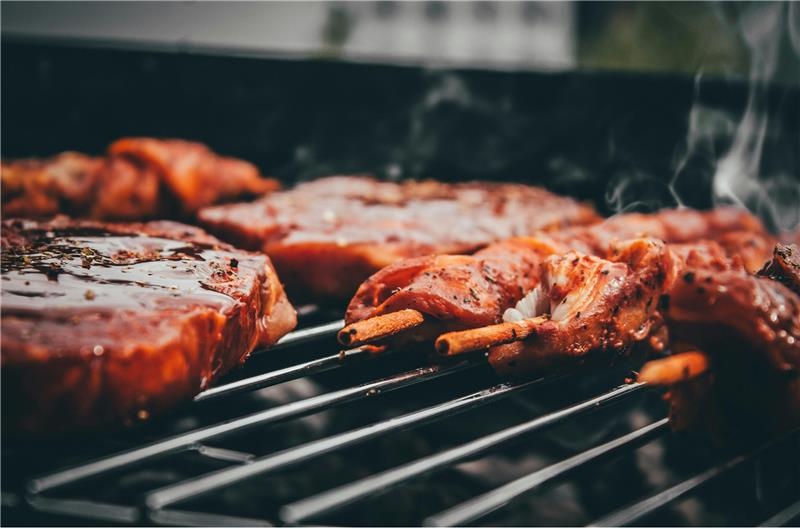
We’ve seen the recent reports highlighting concerns over reduced portion sizes and lower meat content in school lunches, and we understand the concern around this. School catering teams are facing unprecedented pressures, from rising food costs and tight budgets to increasing dietary and sustainability demands, resulting in difficult decisions in school kitchens across the country.
While changes to meal composition can sometimes reflect wider economic pressures, our goal remains to support schools in providing children with meals that are nourishing, satisfying, and aligned with school food standards.
We continue to advocate for greater investment in school catering and are actively collaborating with local authorities and partners to ensure that every child receives the quality meals they deserve.
I’m delighted by the UK government’s recent announcement that an additional half a million children will receive free school meals....
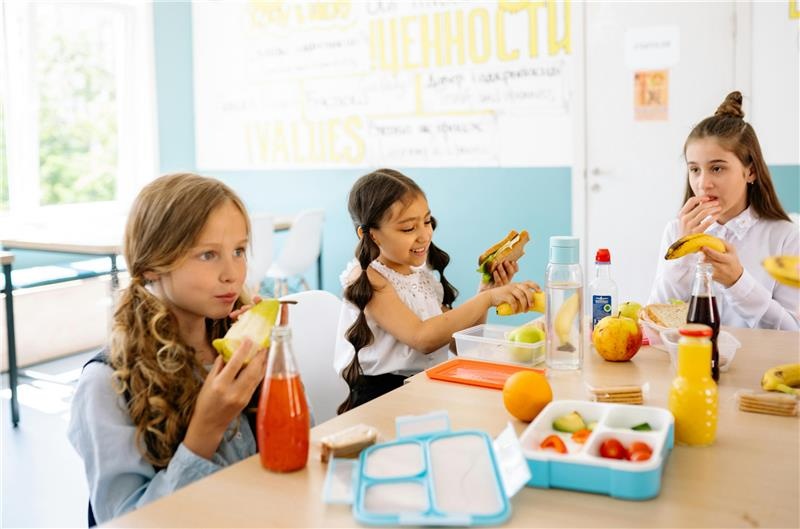
I’m delighted by the UK government’s recent announcement that an additional half a million children will receive free school meals.
Bidfood and I have long campaigned for the expansion of healthy, free school meals, and I’m proud to see the collective efforts beginning to deliver real, positive change. This is a promising step towards the support we’ve all been hoping for.
It is also pleasing to see the School Food Standards is set to be updated to align to the latest guidance on nutrition, which along with our expert nutrition team, we will look to engage with the government on any changes that are implemented.
That said, while this news is both welcome and encouraging, it’s crucial that we now see a fundamental increase in funding to ensure the long-term sustainability of this vital service. I look forward to Bidfood continuing to be a strong voice in this important conversation.
Recently the government has proposed changes to the Soft Drinks Industry Levy (SDIL), which was originally implemented in 2018. These...
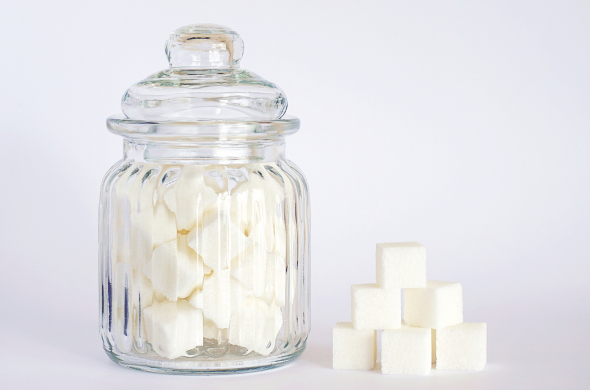
Recently the government has proposed changes to the Soft Drinks Industry Levy (SDIL), which was originally implemented in 2018. These proposed changes include lowering the 5g sugar threshold and removing the exemption for milk-based drink and milk substitute drinks such as milkshakes and iced coffees.
The SDIL has achieved great success so far, with 46% of the sugar being removed by the drinks in scope already, and we hope that future changes to the levy will continue to incentivise industry and reduce sugar consumption further.
However, tackling obesity requires a multi-faceted approach. Whilst a sugar tax has been seen to be successful for soft drinks so far, it does not mean it would have the same success if applied to other food types. Like voluntary industry programmes, restrictions on less healthy foods and education for consumers may yield better results.
The Extended Producer Responsibility Legislation (EPR) has been introduced to hold producers responsible for paying the full cost of managing...

The Extended Producer Responsibility Legislation (EPR) has been introduced to hold producers responsible for paying the full cost of managing and recycling the packaging waste from their products. However, although the principles of EPR make sense, some of the practical applications are much less well thought through.
EPR has been years in planning, but even now we do not have confirmed rates that will be applied for the charges applicable to businesses for products that could be deemed relevant for street bin or house hold waste.
Businesses predominantly operating through B2B channels are expected to pay EPR fees on all products sold as it cannot be determined whether these are sold through B2B or B2C channels. However, this is likely to place an incorrect charge on B2B businesses, such as wholesalers, who may in turn be forced to increase prices.
It is disappointing that although we have raised these issues with DEFRA, they seemed uninterested, taking the view that these are minor issues in the context of the wider picture.
For more information on EPR, click here.
Allergens remains a key focus for us at Bidfood and we welcome the new allergy information guidance for non-prepacked foods....

Allergens remains a key focus for us at Bidfood and we welcome the new allergy information guidance for non-prepacked foods. Out of home businesses are extremely diverse, varying in size, often operate across multiple sites and serving food in a variety of ways. Therefore, flexibility is crucial to this guidance.
We’re pleased to see the Food Standards Agency (FSA) have taken into consideration some of the concerns of the industry, adopting a more flexible approach that advises businesses on different options to deliver clear written and verbal information to consumers as not ones size can fit all.
Although not a legal requirement, this will hopefully help to raise allergen management standards and ensure operators are meeting their consumer expectations in a way that works for their businesses.
A recent review into the impact of calorie labelling in supermarkets, restaurants and other food outlets determined that there has...

A recent review into the impact of calorie labelling in supermarkets, restaurants and other food outlets determined that there has been a small reduction in calories people purchased and consumed, equating to around two almonds per meal. This may feel insignificant, however if sustained over a long time this can still have an impact at a population level.
At Bidfood, we agree that a multifaceted approach is needed to tackle obesity and improve the health of the population, remembering that calorie labelling is no silver bullet. This is why our nutrition strategy focuses on a broader approach to health and wellbeing and aligns to government policies, industry guidance and healthy eating initiatives.
We must also remember that everyone has a different relationship with food and seeing the calorie count may help some, but for others it can have a negative effect. It is therefore incredibly important that menus without calorie information can continue to be shared with the consumer at their express request to support them in their meal experience.
For further information on our resources for calorie labelling, as well as wider legislative support, click here.