Simplifying the science: what are GLP-1s?
GLP-1, or glucagon-like peptide-1 is a hormone which is naturally produced in the gut and helps regulate appetite, digestion, and blood sugar balance. Commonly, GLP-1 medicines can be recognised by brand names such as Ozempic, Wegovy or Mounjaro, and were originally developed for the management of type 2 diabetes, with some now also used to support weight management across the UK.1
Nearly 7% of the UK population currently use or have previously used GLP-1 medications.2 To put the scale of this into context, current GLP-1 users (6.1%) slightly exceed the combined numbers of vegan/vegetarians (5.7%).3 This highlights a sizable and growing consumer group whose changing needs and eating behaviours foodservice operators can no longer overlook.
However, attitudes towards the drugs remain divided. While 48% report feeling positive towards the medications’ ability to support weight loss and appetite control, the remaining 52% express varying levels of concern around safety, side effects and levels of weight loss.4
Usage has doubled in the last year, reinforcing the need for operators to adapt strategically but subtly, recognising both the growing influence of these medications and the differing attitudes towards them.5
How does this change consumer behaviour and what does it mean for your venue?
Naturally, changes in appetite may influence the foods consumers are drawn to, where they choose to eat and what they order when dining out of home. But many of these behaviours aren’t exclusive to GLP-1 users, they reflect a broader shift towards health-conscious choices among UK consumers. Rather than creating a dedicated ‘GLP-1 menu’, the focus should be on evolving your existing menu to offer greater choice, autonomy and control, allowing customers to make decisions that suit their appetite, preferences and health goals.
1. Customisation is now crucial
When choosing a venue, 22% look for menus that allow greater customisation and flexibility, and 31% favour ingredient transparency.6 However, it’s important to note that this trend is not solely exclusive to those taking weight-loss medications; 48% of UK consumers describe themselves as very health-conscious7 and 33% would like to try mix-and-match dining concepts, positioning personalisation and small plates as an increasingly important consideration for operators.8
What could this look like on the menu?
Think smaller portion options across popular dishes, flexible sides and build your own bowl concepts, providing customers with a choice of protein options, sauces served separately and additional toppings. This gives customers greater control without having to create an entirely separate menu or add operational complexity, whilst also providing opportunities to upsell through optional extras.
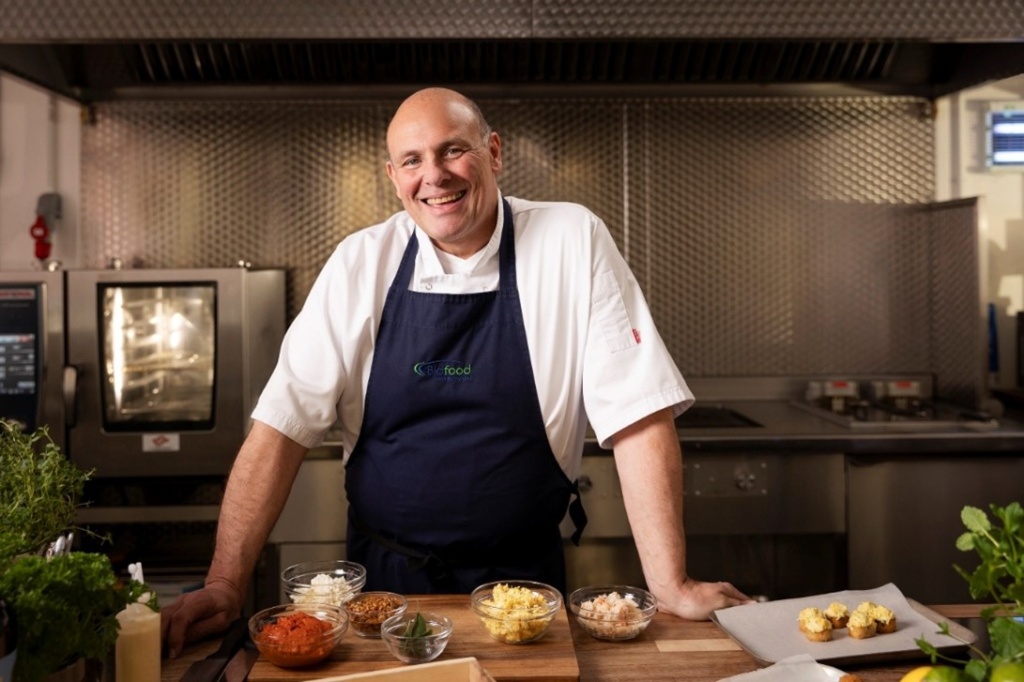
“Looking after guests means recognising they may want a smaller meal but still expect something delicious and balanced. Offer different portion sizes using the same preparation, serve sauces on the side and make smaller plates just as thoughtfully presented. When upselling, focus on premium options rather than encouraging guests to order more than they want. Giving people the freedom to make their dining experience individualised based on their needs.”
– Martin Eshelby, Innovation Development Manager
2. Nutrient density has moved up the agenda
A reduction in food intake increases the need for nutrient density, with an emphasis on protein, fibre and a range of vitamins and minerals.9 People are looking for food that delivers flavour whilst supporting more intentional choices, with 40% of GLP-1 users seeking menus with healthy options and 76% of people actively buying ingredients with added functional health benefits.10 Many people, especially GLP-1 users are happy to pay a premium price for a healthier dish or functional option and would like to see higher protein, more functional ingredients across menus.11

What could this look like on the menu?
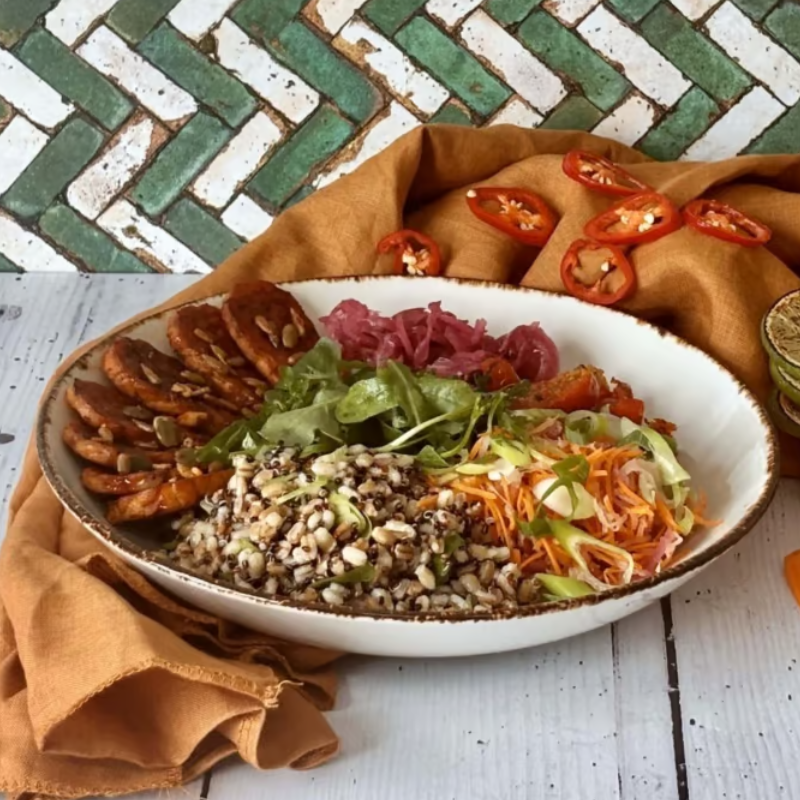
This could look like introducing salads with protein-rich ingredients, breakfast bowls containing sources of fibre, or optional toppings such as nuts, seeds, or pulses therefore, giving consumers greater choice over the nutritional content of their dishes. Operators can also make their current menu work harder by clearly signposting nutritional information, such as protein or fibre content where appropriate, helping consumers identify options that meet their needs without having to create dedicated ‘healthier’ dishes.
“When appetite and overall food intake are reduced, there are fewer opportunities to get the nutrients the body needs, so nutritional quality becomes increasingly important. Menus that incorporate a variety of nutrient-dense foods, such as vegetables, wholegrains, beans and pulses, nuts, seeds and good sources of protein, can help provide greater nutritional value even when portion sizes are smaller. Working with a Registered Nutritionist or Dietitian can also help operators navigate nutrition and health claims regulations and ensure dishes are marketed responsibly.”
– Heather Dolan, Nutrition Manager

3. Smaller portions offer greater choice
Alongside customisation, smaller dishes and sharing formats give consumers greater control over what and how much they eat. With 26% of people taking weight-loss medication seeking different portion sizes, the appeal extends beyond GLP-1 users.12 Across the wider UK population, 73% are more likely to try a new cuisine when offered as a small plate and 43% are interested in small plates or tapas-style dining.13
This type of dining can offer greater flexibility for customers with reduced appetites, including those beyond GLP-1 users giving them the freedom to share, graze and discover new dishes while staying in control of how much they eat.
In fact, Bidfood has identified ‘Mini & Mighty’ as a key trend for 2027, showing how smaller formats can respond not only to the needs of GLP-1 users, but to a wider shift towards more flexible, intentional ways of eating.
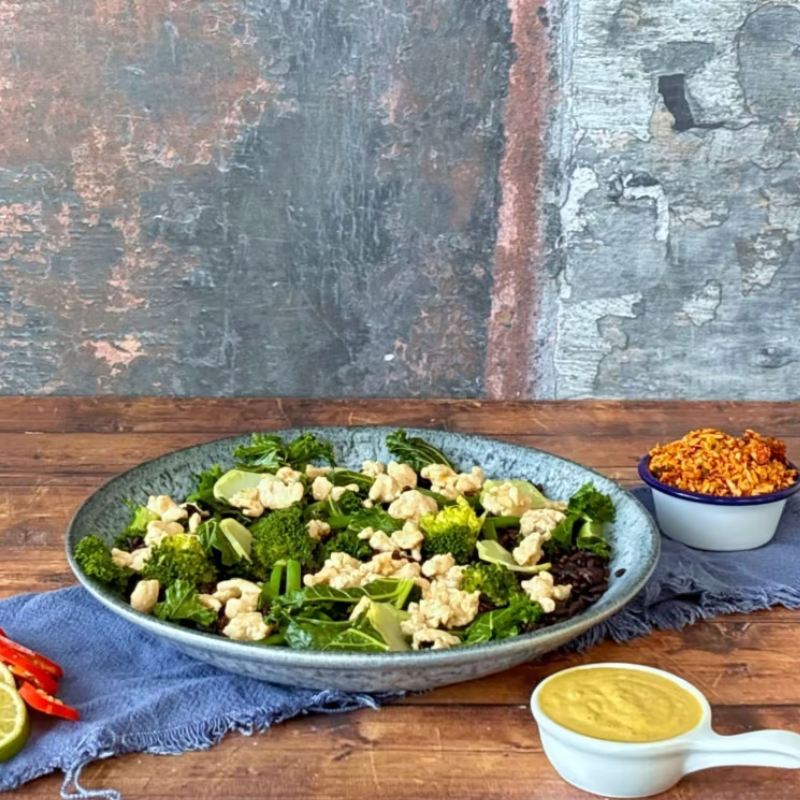
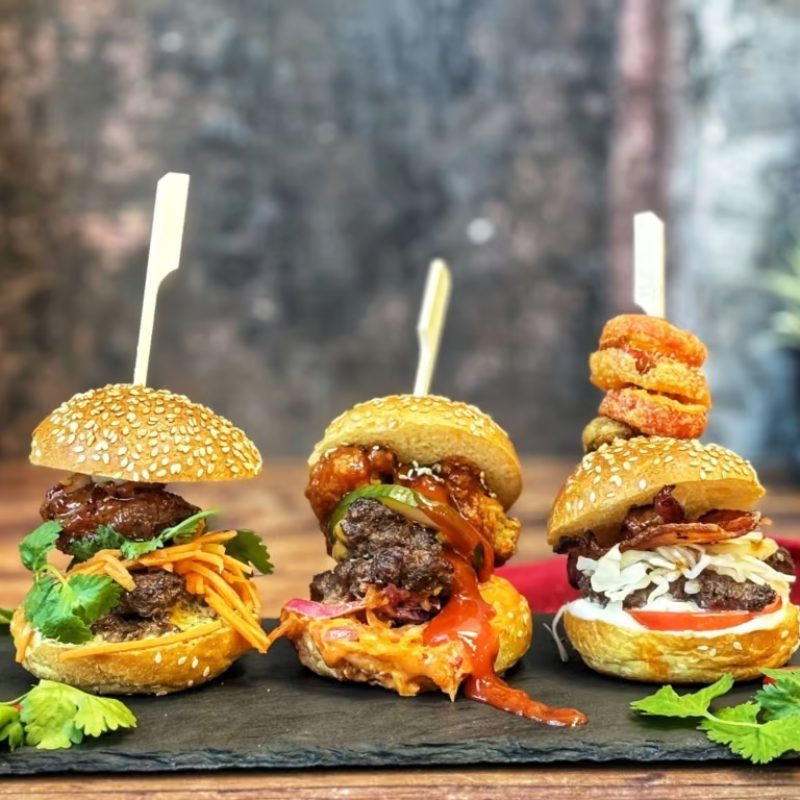
What could this look like on the menu?
A great example of this is expanding small plates beyond starters, allowing guests to mix and match dishes to create a personalised, modular dining experience that works across multiple occasions, from brunch and lunch to dinner and dessert.
Smaller doesn’t have to mean compromising on the experience either, with 60% of GLP-1 users still choosing to indulge when eating out, operators can use smaller formats to experiment with bold flavours and introduce different cuisines, giving customers the opportunity to discover something new and exciting in a portion that suits their preference.14
Meeting the needs of a changing consumer
GLP-1s may be accelerating changes in how consumers eat, but many of these behaviours form part of a much wider picture and clear shift towards health, personalisation, flexibility and choice. For operators, the right approach isn’t to redesign menus for one audience, but to understand that expectations are evolving and create an offer that gives every customer more control over their dining experience and health priorities.
Discover the latest food and drink trends shaping the menus and find more inspiration on our latest trends.
Sources:
- British Nutrition Foundation, weight loss medications
- The Food Foundation – YouGov Survey(2026)
- Lumina Intelligence, Out of Home GLP-1 Navigator (2026)
- Bidfood & Yonder Omnibus Survey, June 2026
- IGD, GLP-1 usage almost doubles in 9 months, April 2026
- Lumina Intelligence – Out of Home GLP-1 Navigator
- Lumina Intelligence – UK consumer research (2026)
- Bidfood & Yonder – Omnibus Survey (June 2026)
- KAM Insight – GLP-1 Users Are Already Your Customers (February 2026)
- Lumina Intelligence – UK Menu Food Trends Report (December 2025)
- KAM Insight, Feeding the GLP-1 Generation (October 2025)
- KAM Insight, Feeding the GLP-1 Generation (October 2025)
- Bidfood/CGA or Lumina
- KAM Insight – Feeding the GLP-1 Generation (October 2025)