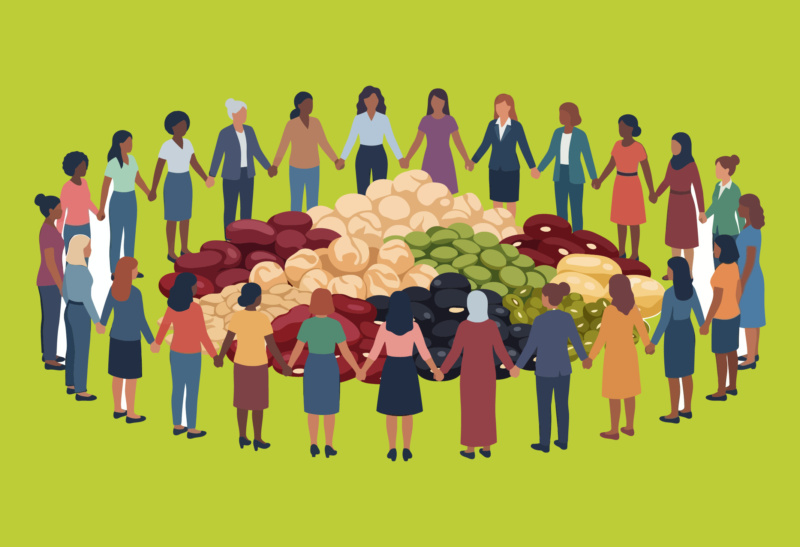
At first glance, beans might not look like a tool for gender empowerment. They’re humble, inexpensive, and often overlooked in many kitchens, supermarkets and in foodservice. But dig a little deeper, and you’ll find that beans, lentils, chickpeas, peas, and other pulses can quietly unlock meaningful change for women and girls around the world. Intrigued? Let’s explore the world of beans and go back to the producers.
The women behind our beans
So, what’s the link? Well, in the UK, it’s far from obvious, because we’re fairly separated from the roots of food cultivation and production so we’re often unaware of the sheer number of people who are hands on in this industry across the world. Many of us may never even have seen a bean growing in its natural environment; we may have only seen them on a shelf, in packets or jars, sometimes even gathering dust, because in the UK we haven’t traditionally been great at consuming beans, if you discount the baked variety!
Staggeringly though, over a third of women globally are involved in food production and beans are primarily cultivated by women*. And this fact is hugely important. Despite the significant role that women play in agriculture and food security in many developing countries, they continue to have a poorer access to resources, including education, land, inheritance rights, information and financial resources, compared to their male counterparts. These are systemic, deeply entrenched cultural and financial disadvantages, that typically continue across generations. So that’s where beans play a vital role.
How can growing beans create opportunity?
One of the many brilliant things about pulses is that they grow well in small plots, improve soil health, and are resilient to climate shocks. Yes, you read that right! Growing beans actually improves soil health! They lock in nitrogen, enriching the soil and building fertility. Their climate resilience and suitability for small plots of land makes them well suited to helping women farmers earn a living, in spite of their disadvantaged circumstances.
When women grow, sell, or process beans sometimes through cooperatives or local markets, they gain income, skills, and visibility. This isn’t to say that the disadvantages disappear. Significant barriers still remain, and women are still excluded from traditionally male‑dominated roles along the value chain. However, the cultivation and production of beans is a lever for meaningful change, helping to empower women and create opportunities for those who need them most. All from a humble bean! You cannellini believe it!
What can beans offer for women’s health and wellbeing?
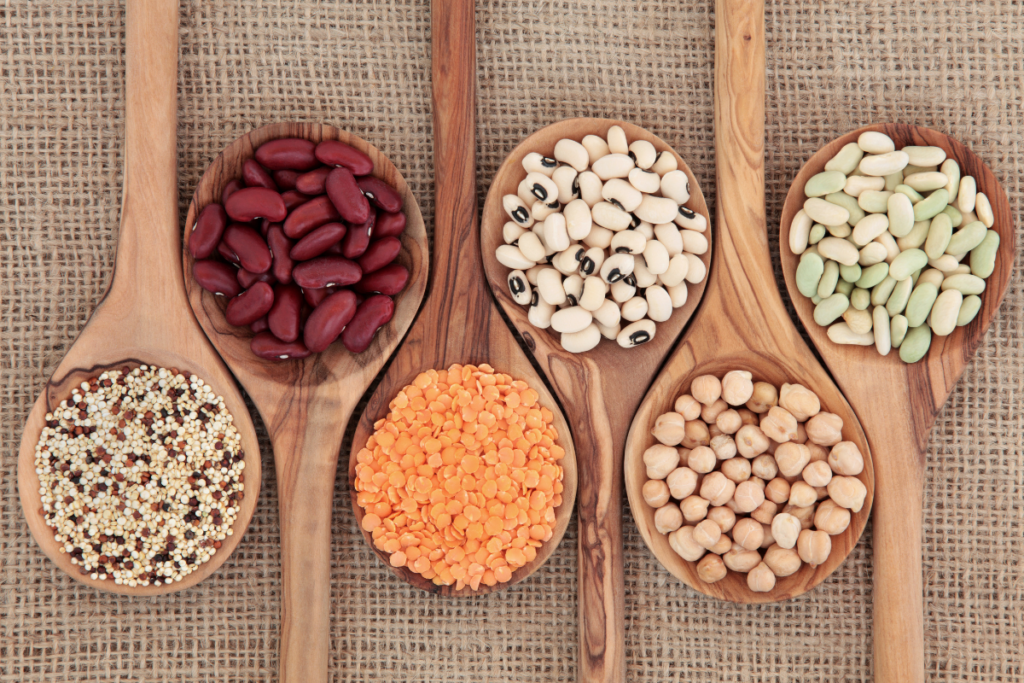
The benefits don’t stop there, though. Beans are rich in protein and a good source of fibre, as well as key nutrients such as iron and folate, especially important for women during menstruation and pregnancy. Access to nutritious, filling foods this can support better health, wellbeing and energy levels, whether that’s at school, work or home.
Good nutrition isn’t just about supporting health; it can also be a foundation for confidence and agency. Then there’s affordability. Beans are one of the most cost‑effective sources of protein. For families managing tight food budgets with women often carrying out this important role in the home, this really matters. Lower food costs can free up money for education, healthcare, or small savings. That financial breathing space may be small, but it can be transformative over time.
Beans also save time. They store well, are versatile, and don’t require refrigeration, which is a valuable characteristic. For practical and economic reasons, a longer shelf life reduces food waste and means that a cupboard ‘staple’ becomes a basis for many a dish. All it takes is seasoning and your imagination; other vegetables, cheese, carbs, etc. can also be added.
In many cultures where women shoulder the bulk of food planning and preparation, beans reduce daily stress and make meals easier to manage. Time saved can mean time earned whether for income‑generating work, community leadership, or rest.
What can we do to create change?
So yes, eating beans can be a lever for gender empowerment. Because when women are better nourished, less financially stretched, and more economically included, they gain something invaluable: choice. And that’s where empowerment truly begins.
We hope this blog has helped you see beans in a different light there’s so much more to this humble little ingredient than meets the eye.
Change can start on the menu. By increasing the inclusion of beans in recipes and menus, beans can become the norm rather than the exception. This shift could help raise the profile of bean production, strengthen women’s voices within the supply chain, and build further momentum to address these structural inequalities.
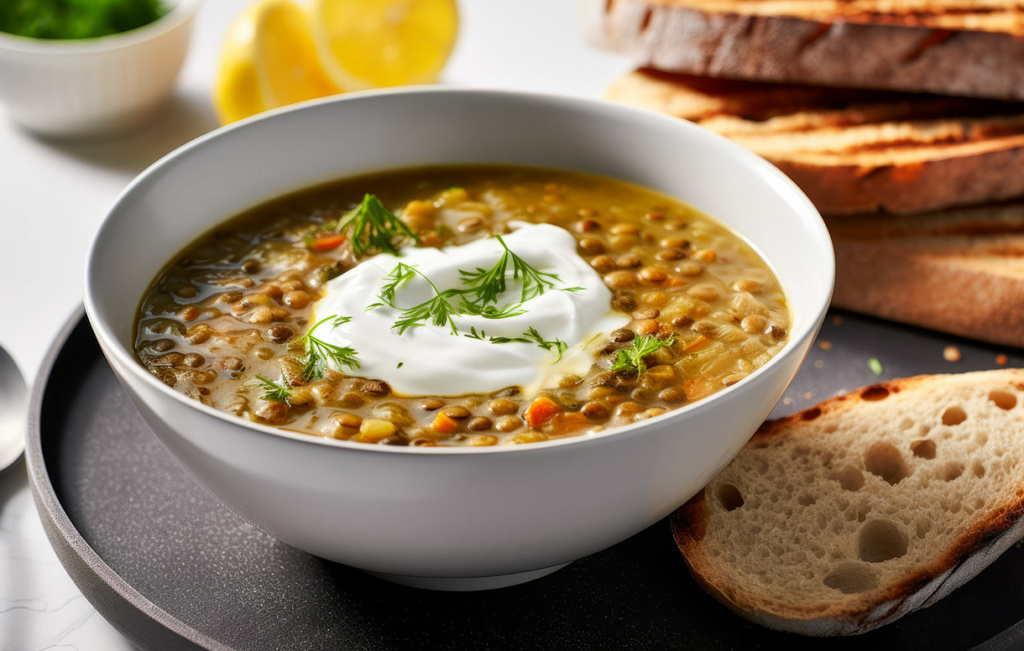
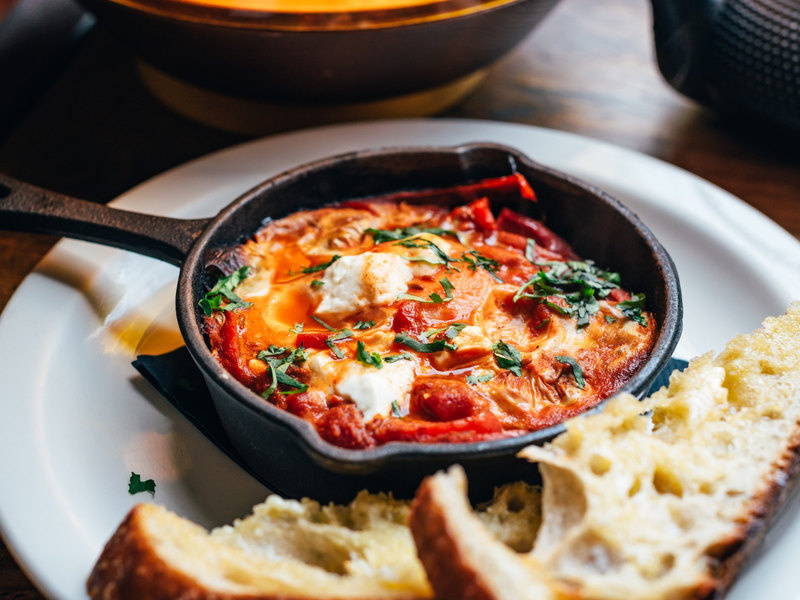
This is where the Bang in some Beans campaign comes in, helping to put beans in the spotlight and show just how versatile these humble ingredients can be. So, please do us women a “fava” and eat more beans!
Want to learn more? Find out how women are shaping the future of bean farming.