Wellies or shoes? Waterproofs or suncream? These are usually the questions that face us before going on a farm visit in the UK, and the visit to Valefresco was no exception. They’re one of our suppliers of babyleaf, lettuce and herbs, in the Vale of Evesham.
Shelley, part of Bidfood’s Sustainability team, joined the visit to Valefresco alongside the Oliver Kay team to gain a deeper understanding of this important part of Bidfood’s supply chain. The visit provided valuable insight into the innovation and resilience behind fresh herbs and salads, as well as the challenges growers face.
Visits like these highlight the people, partnerships and expertise behind the fresh ingredients that reach our customers. By working closely with trusted growers and suppliers through Oliver Kay, Bidfood can build a deeper understanding of the supply chain and the opportunities and challenges involved in producing fresh food for businesses across the UK.
Oliver Kay have more than 30 years of experience, supplying everything from fresh fruit and vegetables to dairy, meat, fish and speciality ingredients. As a fresh food consolidator, they make sourcing simpler by bringing multiple categories together through one trusted supplier. In fact, if it goes in your fridge, there’s a good chance we sell it.
By building long-standing relationships with growers such as Valefresco and suppliers across our wider network, we’re able to provide the quality, consistency and reliable service that Bidfood customers depend on every day.
How has Valefresco grown through three generations?
Speaking with the Valefresco team, what immediately came across was that Valefresco is very much a family farming business. Their story started with grandparents who came from Sicily with nothing but an empty suitcase who began growing lettuce. From that first 30-acre site, the business has grown into a three-generation family company, now operating across multiple sites and supplying a wide range of babyleaf salads, wholehead lettuce, pak choi and herbs.
It was inspiring to see how the business has grown from those early beginnings while still retaining such a strong sense of family pride, resilience and ambition. The Valefresco team spoke passionately about producing fresh British-grown salads and herbs, but also about the realities of farming in a changing climate: hotter summers, unpredictable rainfall, planning pressures and the need to keep investing just to stand still.
How can growers prepare for a changing climate?
One of the most impressive parts of the visit was learning about their approach to water sustainability. At their sites, Valefresco use boreholes and reservoirs, giving them a level of independence and resilience that is increasingly important during hot, dry weather. Touch wood, we were told the reservoirs have not yet run empty, which is no small thing when water availability is becoming one of the biggest long-term challenges for growers.
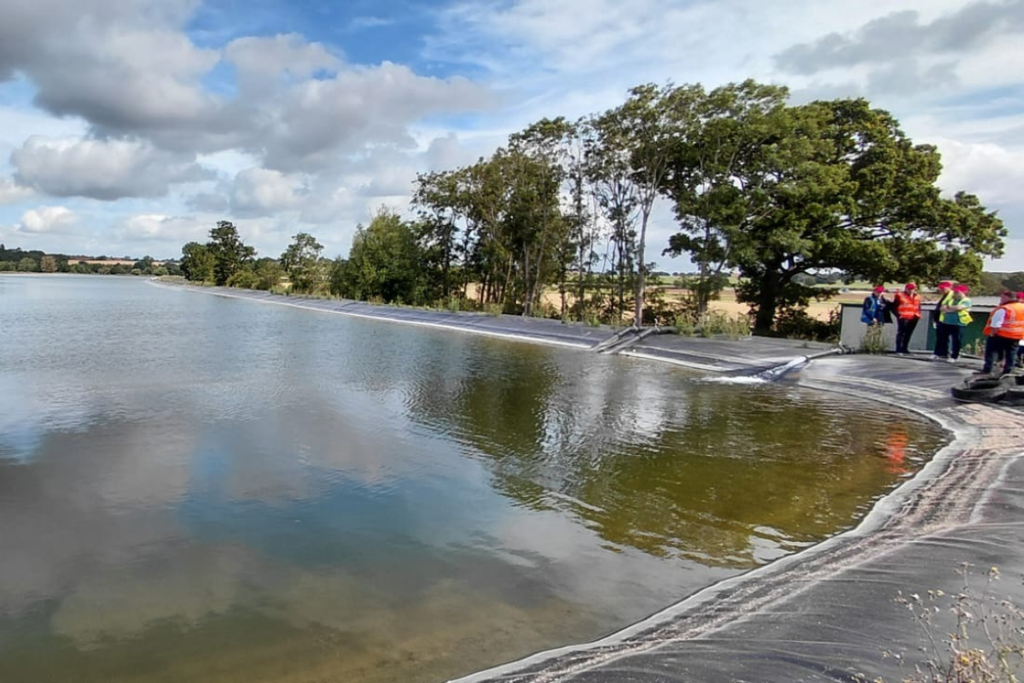
There was also a fascinating discussion about how those reservoirs could support renewable energy in future. One idea being explored is floating solar panels on top of the reservoirs. In theory, this could help keep the panels cool, reduce water evaporation and generate sustainable electricity for the farm. It feels like exactly the kind of joined-up thinking farming needs: using existing infrastructure to improve water resilience and energy resilience at the same time.
However, as is often the case, the challenge is not the idea itself but the cost and commercial reality of making it happen. The investment required is significant, and reduced payments for feeding electricity back into the grid make the payback harder to justify. That feels particularly frustrating when electricity companies are warning about pressure on supply during heatwaves, often driven by increased use of fans and cooling. Those hot, sunny days seem exactly the moment when we should be making the most of solar energy.
How is innovation changing the way we grow?
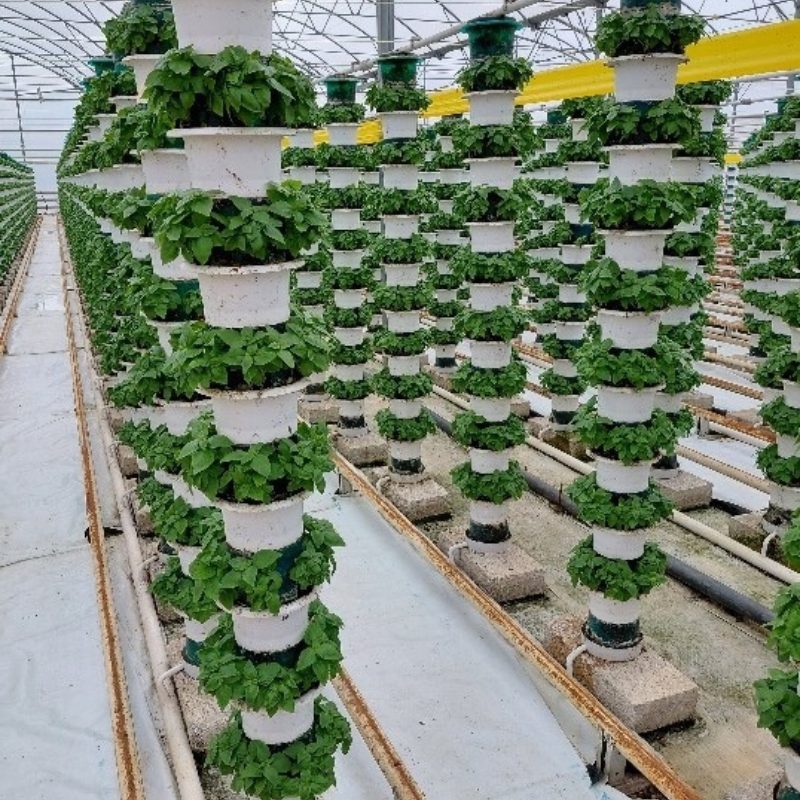
The hydroponics were another highlight of the visit. We saw rows of herbs growing in vertical towers, with trickles of water programmed to the needs of the plants.
It was a brilliant example of precision growing: giving the crop what it needs, when it needs it, rather than relying on a more traditional blanket approach. A biomass boiler provides heat during the winter, helping support more sustainable year-round herb production, with targeted pesticide use only when needed.
It was also interesting to hear how protected growing can help extend the UK season. The greenhouses can allow outdoor production to stretch by two or three months, with some crops growing through to November and needing relatively few inputs. In a world where food security is becoming more important, that feels hugely valuable: more British-grown produce, for longer, with less dependence on imports and the disruption that can come with weather or geopolitical events elsewhere.
What struck me was how these practices ultimately benefit everyone in the supply chain, including chefs. Protected growing, long-term crop planning and efficient water management all help improve the reliability, quality and availability of fresh herbs and salads. That means chefs can access consistent, British-grown ingredients for longer periods of the year, helping them deliver the quality and menu continuity their customers expect, despite the increasing pressures that climate change places on food production.
But again, the practical reality is more complicated. Planning for these structures can be very difficult, with resistance from local residents and organisations who do not want them in their view, even when trees and planting are used to help screen them. It feels like a real tension: we talk a lot about needing stronger UK food security, but growers still face a battle when the infrastructure needed to support that food production is seen as an intrusion on the landscape.
Can growers find smarter ways to manage crops?
One of the more unexpected things we saw was the use of flame to manage mint crops at the end of the growing cycle. Mint is incredibly resilient and will keep growing and growing.
Rather than relying solely on pesticides, fungicides or herbicides, a small amount of butane flame is used close to the ground once the plant is mature. This burns back the crop, helps remove disease and pests, and allows the plant to regenerate. It was a great example of how growers are constantly balancing crop health, quality, productivity and reduced chemical use.
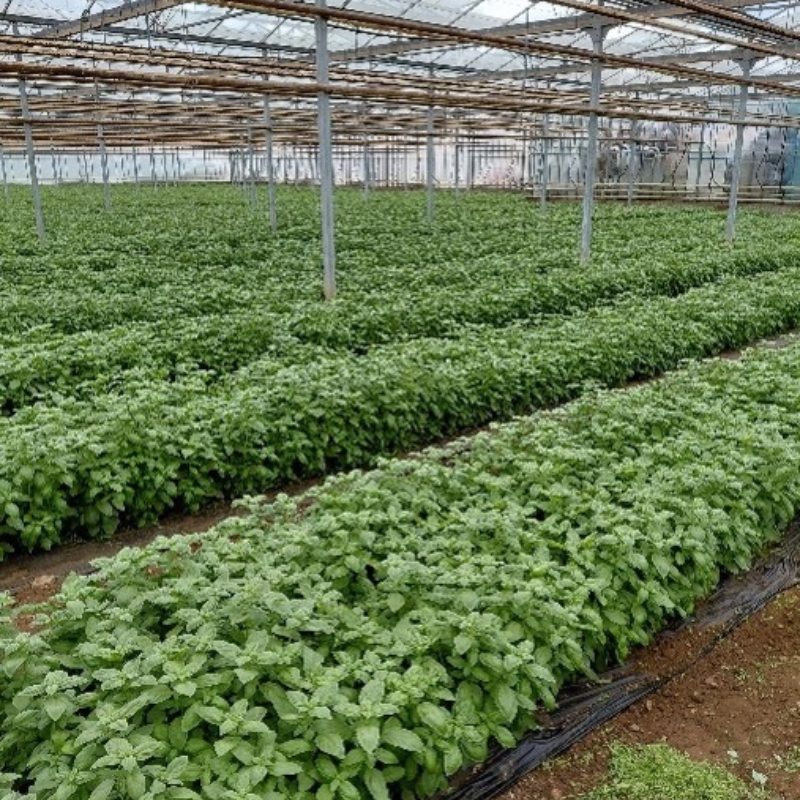
Overall, the visit to Valefresco was a real insight into the complexity behind something that can look very simple on a plate. Lettuce, herbs and leafy crops may seem straightforward, but behind them sits generations of family knowledge, major investment, careful water management, innovation, planning challenges and a lot of resilience. It was eye-opening, aromatic and genuinely thought-provoking. And I’m glad to say that I didn’t need a waterproof after all.
To find out more about our range, please keep an eye out for our seasonal crop reports or speak to either your Bidfood or Oliver Kay account manager, or sign up to become a customer here.