Food
Honeybuns
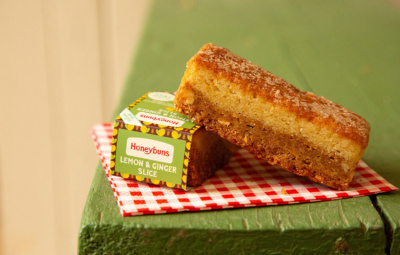
Honeybuns aim to tread as lightly on the environment as possible, and as part of this has created a 5-acre nature reserve on the dairy fields surrounding their bakery. They’ve also installed bee hives (including a humane ‘Freedom’ hive) and improved biodiversity amongst their bee, bird, butterfly, insect and plant populations through activities such as planting over 10,000 trees and hedging plants.
They’ve installed solar panels which on sunny days now generate 100% of their energy, and they’ve planted a pollinator-friendly orchard. To improve the impact of their packaging, they use an environmentally low-impact paper-based alternative to bubble wrap which is made in the UK, and all of the cardboard used is recyclable, biodegradable and printed using solvent-free ink. To address concerns in their supply chain, they have removed palm oil as an ingredient within the bakery, and any that is contained in composite ingredients is RSPO certified. They only use free range eggs sourced 2 miles from the bakery, and animal welfare is one of their top priorities.
Legghorn
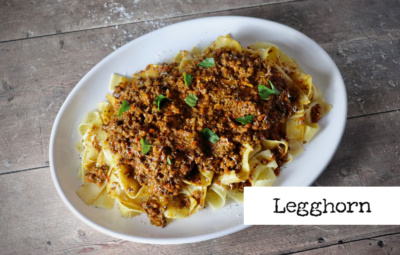
Legghorn turns a hidden ingredient into a sustainable opportunity — using meat from breeder hens, the parents of all laying and broiler chickens. Once their work producing the next generation of birds is done, these hens (which would often be treated as a waste product of the egg industry due to their low commercial value) are used for high-quality mince.
Because these birds have already served a purpose in the egg and poultry sectors, their meat carries an exceptionally low carbon footprint of 1.31kg CO₂e per kg. The result is a rich, flavoursome mince that performs brilliantly in the kitchen, offering chefs both depth of flavour and consistency at scale.
All Legghorn meat is 100% UK sourced and Red Tractor certified, supporting higher-welfare farming systems where hens are slower-growing and able to express natural behaviours. By transforming an under-used resource into a delicious, nutritious and versatile product, Legghorn helps caterers reduce waste, lower emissions, and serve food that’s good for people, animals, and the planet.
Phat Pasty
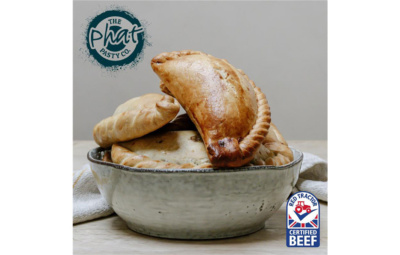
With a full range of tasty Cornish pasties, pies, slices and rolls, The Phat Pasty Co has ambitious sustainability goals and are the first Cornish pasty company to achieve B Corp accreditation, meaning they meet high standards of social and environmental performance, transparency, and accountability.
All the meat they use is British and Red Tractor certified, and their extensive vegetarian and vegan options are Vegetarian Society Accredited holding Vegetarian, Vegan and Plant-Based trademarked logos. Their full range is Bidfood core listed, and all Phat products are certified Soil Association, Food for Life.
Their community initiatives include supporting The Word Forest Organisation, planting over 30,000 trees (absorbing over 7,800 tonnes of CO2e), building classrooms & empowering women in Kenya. Closer to home they support Devon & Cornwall Food Action and FareShare. Their entire fleet of vehicles is electric and hybrid, and all their packaging is recyclable. The Phat Wrapped range also uses fully biodegradable and plastic-free packaging.
New initiatives such as the Phat Eat Better Sausage rolls, developed for both healthcare and education using a hybrid recipe of British pork and wheat protein, provide improved nutritionals as well as a 20% reduction in carbon. Product data has been calculated using Nutritics for their carbon and water footprints, and Phat have already achieved net zero scope 1 and scope 2 emissions on their carbon reduction journey.