




FOOD AND DRINK TRENDS 2026

Whole Lotta Goodness

Inspired by continued consumer interest in the impact of nutrition on our health and wellbeing, the Whole Lotta Goodness trend is a positive movement towards incorporating more wholefoods onto menus and into diets.
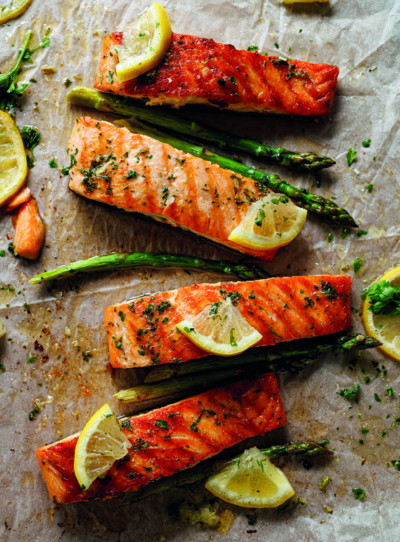
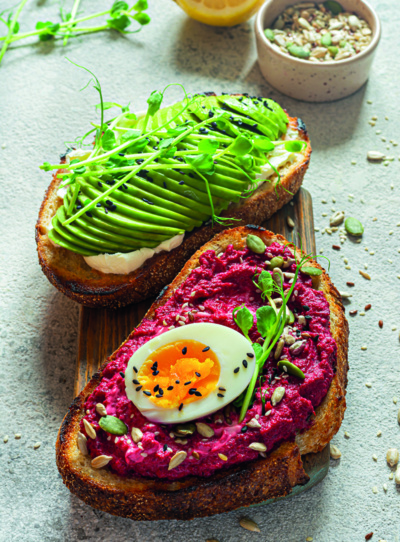
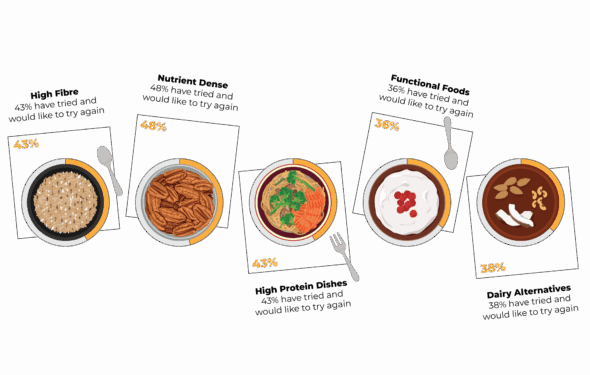
48% of consumers have tried nutrient-dense foods (such as oily fish, avocado, berries and nuts) when eating out – and would like to try them again*.
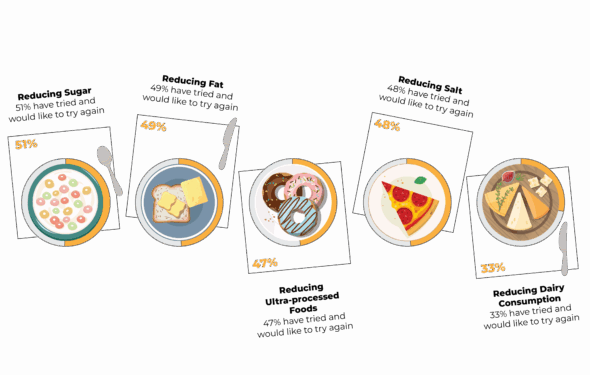
47% of consumers have tried reducing their ultra-processed food consumption when eating out - and would like to try this again*.

What this trend is all about

Understanding the Whole Lotta Goodness trend

Understanding the Whole Lotta Goodness trend

The Whole Lotta Goodness health food trend is about going back to basics and eating more wholefoods, in response to today’s complex food landscape.

In recent decades, ultra-processed foods have become an increasingly prominent part of our daily diets, and in the UK, they now make up around half of the food we eat. This rise has brought food processing into the spotlight, sparking public and media attention like never before.

However, amidst the growing noise, it’s easy to lose focus of what truly matters – ensuring a balance of different foods and nutrients in your diet. While food processing can seem confusing and overwhelming, understanding its role can help us make better choices about what we eat.

What are ultra-processed foods

What are ultra-processed foods

Ultra-processed foods (UPFs) are products that undergo multiple industrial steps and often contain ingredients you wouldn’t normally use in home cooking. Although there’s no universally agreed definition, the NOVA classification system is widely used to categorise foods based on processing levels.

It divides foods into four groups:
1. Unprocessed or minimally processed (fresh fruits, vegetables, meat, and milk)
2. Processed culinary ingredients (oils, butter, sugar, salt)
3. Processed foods (tinned vegetables, freshly baked bread, and simple cheeses)
4. Ultra-processed foods (mass-produced breads, cakes, margarine, sweetened cereals, energy drinks, and instant soups).

Remember, most foods have been processed in some way and processing plays an important role in food safety, affordability, convenience, and nutrition. Processing can also increase shelf life, helping to reduce waste.

Sorting the science from scaremongering - what do we know about UPFs

Sorting the science from scaremongering - what do we know about UPFs

Research shows a link between higher consumption of UPFs and poorer health outcomes, however, we still do not know why. Many UPFs are high in calories, fat, sugar and salt and it’s hard to establish whether this is the reason, or if methods of processing, additives (e.g. emulsifiers) and/or palatability also play a role.

This confusion makes it difficult for the government to make policy recommendations around UPFs and for businesses and consumers to navigate the conversation objectively. At Bidfood, our Registered Nutritionists appreciate the complexity of this topic and look forward to further research on the impact of UPFs on our health.

In the meantime, the Whole Lotta Goodness trend encourages you to ask, “what can I add to my plate” and to incorporate more wholefoods - a positive, achievable step that businesses and consumers can make.

In their own words, our in-house experts Heather Dolan, Nutrition Manager, and Wayne Wright, Culinary Development Chef, share their thoughts

    What are wholefoods

    There is no definition of a wholefood, but they tend to be foods that are close to their natural state and are less processed.

    • Fruits and vegetables

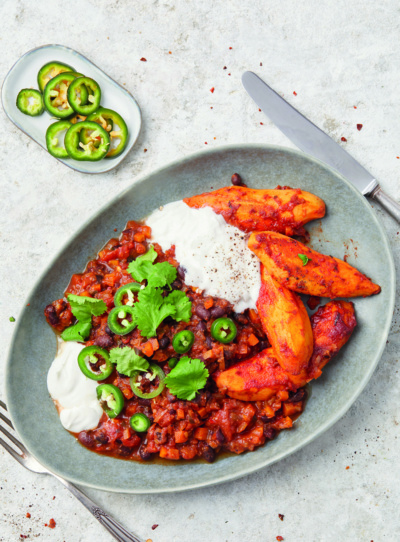
      Produce such as kale and cantaloupe melon are a great source of nutrients such as vitamin A, which contributes to the maintenance of normal vision, as well as fibre, which helps keep your gut healthy. Utilise fresh, frozen, tinned (with no added sugar or salt) and dried foods, and incorporate different colours to achieve a variety of nutrients. Why not try “cowboy caviar”? Made with diced red peppers, onion, sweetcorn, and black beans, with homemade paprika tortillas for dipping.

    • Wholegrain carbohydrates

      Ingredients such as oats are an excellent source of nutrients, for example, vitamin B1, which contributes to the normal function of the heart. As wholegrains still have all three layers of the grain, they contain more fibre, protein, and healthy fats than refined grains (such as white flour or rice). Other examples include quinoa, bulgar wheat and brown or wild rice. Why not try a harvest salad with bulgar wheat, roasted butter nut squash, pecans and cranberries?

    • Pulses

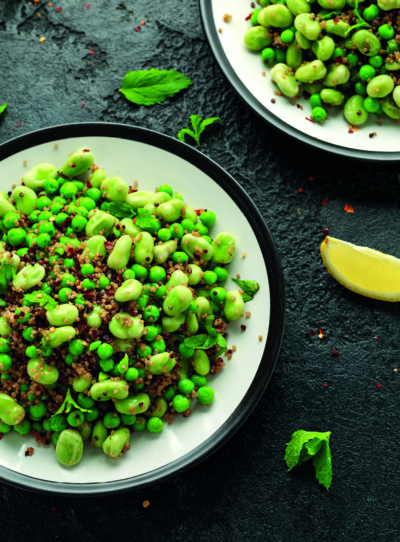
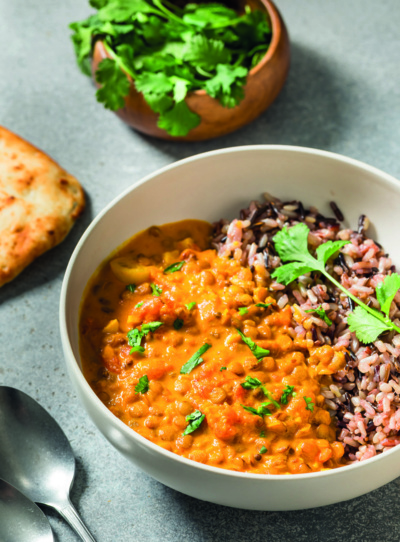
      Ingredients such as kidney beans and green lentils are a fantastic source of protein, fibre, and nutrients such as vitamin B9, which contributes to the reduction of tiredness and fatigue. Pulses are also incredibly versatile and cost effective. Why not try adding red lentils to a sauce or making creamy butter beans with olive oil and lemon the star of the show? It’s time to give pulses the attention they deserve.

    • Lean meats

      Ingredients such as chicken, turkey, beef, and lamb are high in protein and a source of minerals, such as zinc, which contributes to normal fertility and reproduction. Why not try peach and balsamic grilled chicken, or a steak chimichurri salad bowl? But remember, it is recommended not to eat too much red, processed and/or fatty meat – so opt for leaner cuts, remove the skin, and trim the fat wherever possible.

    • Fish and seafood

      Oily fish such as mackerel, salmon and sardines are rich in protein, omega-3 fatty acids and nutrients such as vitamin B3, which contributes to normal psychological function. A healthy, balanced diet should include at least two portions of fish a week, including one of oily fish. To help your customers meet this recommendation, why not try a crispy dukkha-crusted white fish with smashed peas, or a Turkish-style salmon served with flatbread and salad?

    • Nuts and seeds

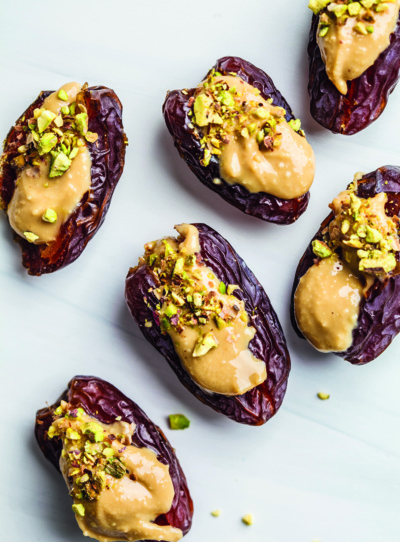
      Ingredients such as walnuts, almond or creamy cashews, offer fibre, protein, and minerals such as magnesium, which contributes to normal functioning of the nervous system. Why not drizzle nut butters (with no added sugar and minimal salt) over porridge or sprinkle roasted sesame seeds over buddha bowls or stir fries for additional nutrients, flavour, and crunch.

    3 ways to use this trend

    Whether this is a lean meat, oily fish or plant-based protein, centre of plate is a good place to start when it comes to adding key nutrients. We also know that many consumers want to make healthier choices, but need support to do so, creating huge potential within the out of home sector.

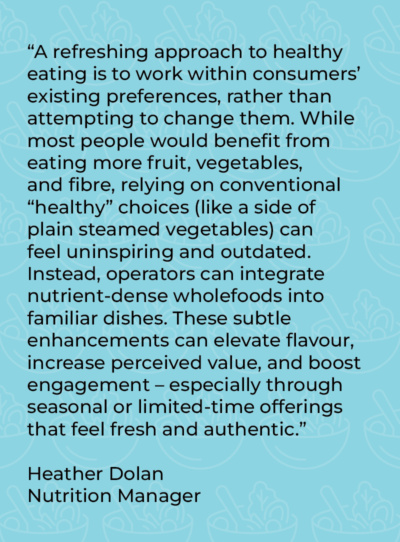
    A refreshing approach to healthy eating is to work within consumers’ existing preferences, rather than attempting to change them. While we know that most people would benefit from eating more fruit, vegetables, and fibre, expecting consumers to always select the traditionally “healthy” options can be limiting and feel outdated. Instead, operators can make subtle enhancements to familiar dishes, by integrating a variety of wholefoods.

    • Base your dish around wholefoods

      From wholegrain carbohydrates to vibrant fruits and vegetables, line your plates and bowls with ingredients that nourish. Why not take a classic risotto and incorporate grilled asparagus, miso mushrooms or creamy butterbeans. What’s more, leaning into seasonality and developing limited-time specials can create excitement, drive demand, and increase consumers’ perception of freshness and authenticity.

    • Focus on the main protein element

      Whether this is a lean meat, oily fish or plant-based protein. Consumers love a Caesar salad, so why not offer customisation with the option of grilled chicken breast, salmon, or crispy chickpeas? And remember that you don’t just have to go for one source of protein, try reducing meat or fish and supplementing with plant-based proteins, such as a turkey and lentil meatloaf or a beef and mushroom burger.

    • Offer further personalisation with nutritious toppings and sides

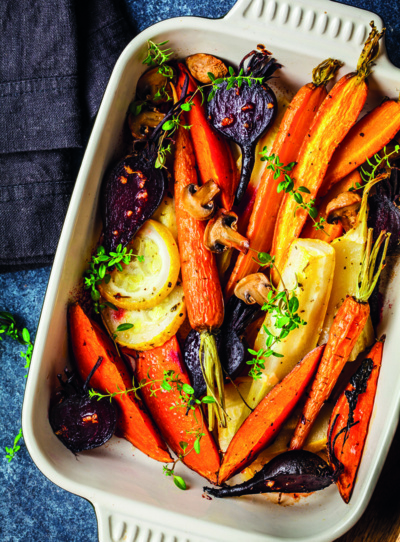
      From fresh herbs and chillies, to toasted nuts and seeds – consumers love to make dishes their own. When it comes to additions, consumers are most interested in adding pulses to dishes they eat out of the home in the next 1-2 years*. Also, don’t forget sides! Rather than your usual roast potatoes, offer a bowl of “roasted roots” with potatoes, carrots, parsnips, and beetroots.

    3 things you need to know about this trend

    • Benefits of plants taking centre stage

      Our wholefood trend taps into the growing popularity and demand for “plant-forward” menus, where animal products may feature, but plant foods such as vegetables, pulses, nuts, seeds, and wholegrains take centre stage. Incorporating more plants onto menus can help to reduce costs, boost the nutritional content of dishes, and generally speaking, plant proteins have a lower environmental impact than animal proteins.

    • Consumer perceptions

      Wholefoods also help to boost transparency and build consumer trust, which are key factors for brand loyalty. Whilst some wholefoods such as meat or fish may cost more than processed alternatives, the use of wholefoods also helps to increase perceived value, helping maintain margins. However, there are also cost saving opportunities with frozen or tinned produce and plant-based proteins such as pulses.

    • Rethinking processed foods

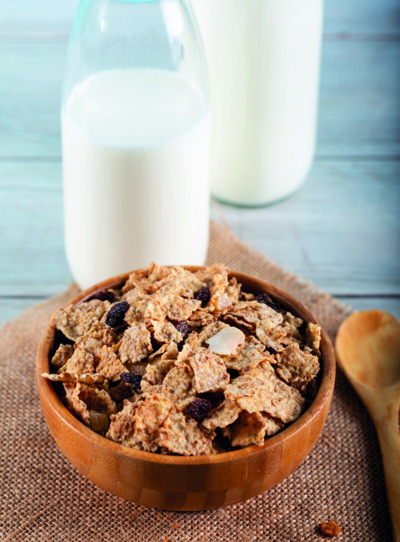
      Products such as breakfast cereals offer consumers the opportunity to consume gut-friendly fibre, as well as dried or fresh fruit and milk, which is a source of protein and calcium. Opt for products that are lower in saturated fat, sugar, and salt, as well as higher in fruit, vegetables and fibre**.
      Nutritional targets:
      • Fibre: aim for at least 3g per 100g, or even better, at least 6g per 100g
      • Saturated fat: aim for less than 5g per 100g, or even better, less than 1.5g per 100g.
      • Total sugars: aim for less than 22.5g per 100g, or even better, less than 5g per 100g.
      • Salt: aim for less than 1.5g per 100g, or even better, less than 0.3g per 100g.

    Try our Whole Lotta Goodness recipes

    • Recipes

    Recipes

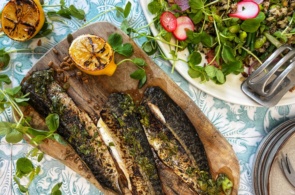
    • Greens & grains, torched mackerel and candied seeds

      Smoky torched mackerel, drizzled in a tangy citrus dressing. Served alongside a nourishing greens and grains blend, and garnished with candied seeds, radishes and pea shoots.
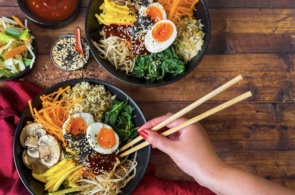
    • Lentil bibimbap

      A vegetarian Korean lentil and rice bowl with an array of vegetables, topped with a boiled egg, drizzled with a sweet and spicy gochujang sauce and sprinkled with sesame seeds.
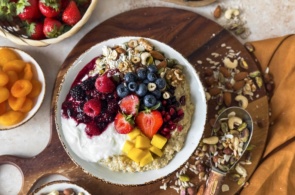
    • Oat and quinoa porridge

      A creamy oat and quinoa porridge topped with warm fruits of the forest, Greek yoghurt and sprinkled with toasted pistachios, almonds and pumpkin seeds.

    What wholefood ingredients are trending in the UK ?

    In the realm of “healthier” food trends, viral ingredients are vibrant, flavourful, and versatile. Take pistachios, for example — their vivid green colour and rich, buttery crunch have elevated everything from sharing plates to porridge bowls and desserts. Grilled peaches bring a caramelised flavour that intensifies the natural sweetness of the fruit, perfect for seasonal salads or as a breakfast or dessert with yoghurt or crème fraiche. Finally olive oil, with its golden hue and unique aroma, adds depth to dressings, moisture to cakes and can be drizzled over vanilla ice cream for a memorable dessert experience.

    What were the most popular healthy dishes in 2025?

    Popular healthier dishes in 2025 showcased a variety of nutrient-dense wholefoods. Think colourful poke bowls loaded with prawns, edamame beans, mango salsa, sriracha and sesame seeds; and endless variations of sourdough toast topped with eggs, salmon or avocado, garnished with chilli oil, hot honey or dukkha. On social media, viral dishes included spicy cucumber and carrot salads, as well as cottage cheese bowls featuring roasted sweet potato and avocado. When recreating these dishes, opt for healthy fats (rapeseed, olive oil etc.), lean meat and be mindful of the salt content.

    What about the wholefood snacking space?

    Wholefoods also feature heavily in the snacking space, both in the food industry and across social media. Roasted chickpeas, beans, peas, nuts are seeds are a great savoury option, offering a satisfying crunch and boost of fibre and protein. Sweet snacks include versatile energy balls, which can be made with an array of ingredients including oats, nut butters and chia or flax seeds. Finally, the viral date bark – a deliciously sweet and salty snack made with medjool dates, peanut butter, dark chocolate, and a pinch of sea salt.

    Which plant-based products are proving popular?

    As the popularity of plant-based diets continues to grow, the variety of available products is more diverse than ever. Products made with pulses such as beans, lentils and chickpeas are especially prominent and many popular recipe platforms are showcasing these ingredients in a fresh, modern, and visually striking way. Additionally, new product launches emphasise convenience, for example, frozen salads and ancient grains or ready prepared plant-based proteins, such as pre-marinated tofu and tempeh – making it easier than ever to enjoy plant-based foods in our busy lives.

    What are the perceived barriers to eating healthily more often?

    Barriers such as cost, limited availability of healthier options, preparation time and concerns around taste continue to challenge consumers. This creates significant opportunities for the out-of-home sector to craft healthier dishes that are full of flavour. These dishes should also be competitively priced and convenient – enabling consumers to enjoy nutritious meals without compromise. Focus on bold flavours, innovative wholefood ingredients and tapping into consumers’ existing preferences to help break down these barriers.

    Does Bidfood offer any healthy recipe inspiration?

    This year we have developed three healthier recipes for our Whole Lotta Goodness trend. You can also check out last year’s Friendly Fibre trend for fibre-rich dishes, as well as our sector pages which feature recipes for primary and secondary schools, care homes and more. Why not take a look at our nutrition webpage to meet our team of Registered Nutritionists and browse our nutrition support https://www.bidfood.co.uk/allergens-and-nutrition/nutrition/. Recipes page – click here 

    Discover our other food and drink trends for 2026

    • Food and drink trends 2026
    • Flavours Less Travelled
    • Topped and Loaded
    • FastForward Flavours
    • Whole Lotta Goodness
    • Tea Tonic
    • Sweet Adventures
    Find out more
    Back to Top