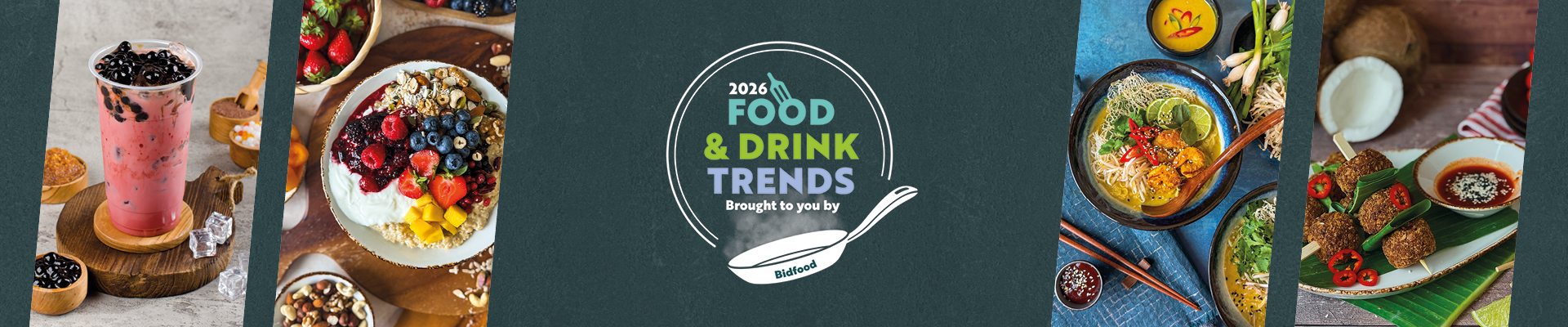
Food and drink trends 2026
Our top food and drink trends in 2026

Topped and Loaded
On the go food trends 2026With budgets tight and appetites large, this trend highlights the demand for loaded dishes that satisfy cravings without the spend.
Find out more

FastForward Flavours
Ingredient trends 2026We surveyed 100 top chefs and 2,000 consumers to uncover the emerging ingredients set to trend on menus in the next one to two years.
Find out more

Whole Lotta Goodness
Health-related food trends 2026Inspired by consumer interest in the impact of nutrition on our health, this trend is a positive movement towards incorporating more wholefoods onto menus and into diets.
Find out more

Tea Tonic
Drink trends 2026Tea Tonic reimagines tea as a modern, exciting experience that goes far beyond the traditional brew. Think cold refreshing brews, bubble tea and exotic flavours.
Find out more

Sweet Adventures
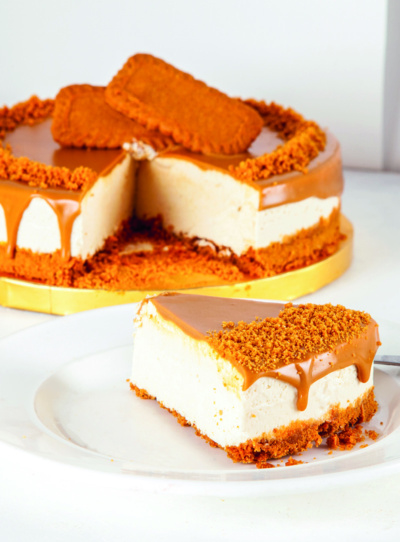
Dessert trends 2026The curiosity and desire to try global desserts as consumers look for new ways to indulge and treat themselves through new flavour profiles.
Find out more
Our flavours less travelled food and drink trends in 2026
The global cuisines and dishes that consumers are keen to explore most and discover more about when they eat out.

Korean
Flavours less travelled trends 2026Bold, spicy and shareable – Korean food blends favourites like fried chicken and dumplings with authentic dishes such as bibimbap, bulgogi and kimchi.
Find out more
Malaysian
Flavours less travelled trends 2026A cuisine of bold contrasts, Malaysian dishes like nasi lemak, satay and laksa mix sweet, savoury and spicy flavours rooted in heritage recipes.
Find out more
South American
Flavours less travelled trends 2026South American flavours bringing together Brazilian, Venezuelan, Colombian and Peruvian dishes, full of bold spices, fresh produce and hearty favourites.
Find out moreFood & Drink Trends 2026 - London
We’re back on the trail of trends that will shape menus in 2026, hitting the streets of London, one of the most diverse and exciting cities when it comes to innovation in the out of home sector.
Join us as we try out some of the key cuisines from around the world, discover innovative fusion drinks and discuss the positive power of healthy wholefoods.
Four key consumer behaviours shaping food and drink culture in 2026
Discover the essential consumer behaviours driving the most influential food and drink trends for 2026.
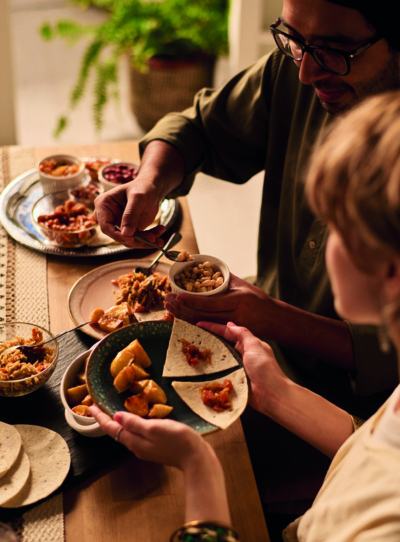
Community and sharing
Community and sharing experiences are influencing food and drink culture. This is because connecting with friends, marking special occasions, and making memories are leading motivations for eating out. *****
Our survey revealed that consumers are very likely or somewhat likely to try new cuisines/dishes in the format of:
• a small plate (73%) *
• a sharing platter (68%) *
• a group sharing dish (60%) *
• a bottomless brunch (59%) *These high numbers suggest that smaller portions and sharing dishes are a great entry point to trying new dishes and tastes in a relaxed format.

Zebra striping
Younger consumers are driving the no/low alcohol trend, with CGA by Nielsen IQ noting more consumers choosing these options than last year.
However, interest is growing in zebra striping – a term used to describe alternating alcoholic and non-alcoholic drinks. Consumers say this keeps them in control of their alcohol consumption (55%) and helps them avoid getting drunk (44%). While the term may be unfamiliar to some, 41% are drawn to low and no alcohol options for their health benefits, 38% for their refreshing qualities, and 34% because they still feel like a treat. We’re seeing these factors similarly reflected in the Tea Tonic trend. Of those who practice zebra striping, 15% do so every time and 49% most times in out of home occasions.*
Social media
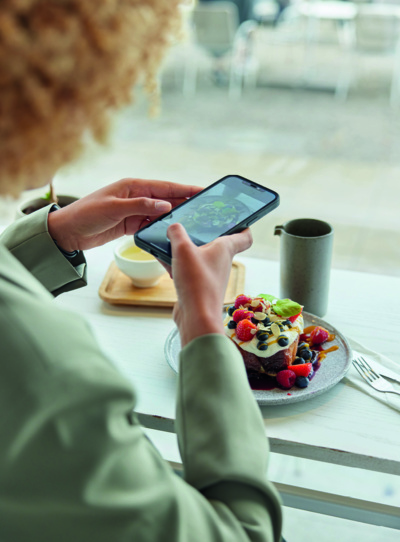
Social media is a major driver of food and drink culture, with consumers visiting venues inspired by trending viral foods. While word of mouth remains an important form of recommendation, nearly half of consumers actively follow food-focused social media, and 41% regularly visit venues based on trends they’ve seen online.* In our survey this year, TV and social media were cited by 32% of consumers as a key factor influencing their interest in Korean cuisine, demonstrating the power of visual and digital media in shaping consumer behaviour when it comes to eating out.
Health-conscious choices
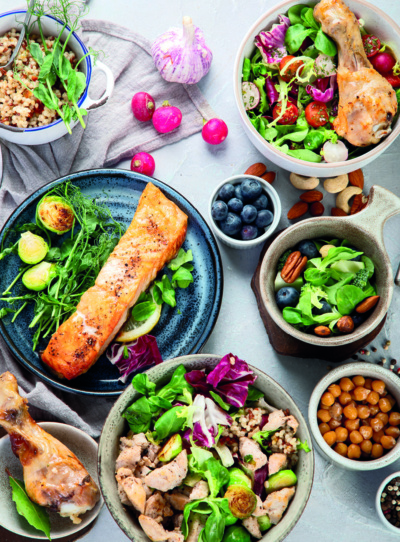
Health remains a key priority for consumers, with 43% describing themselves as very health-conscious** and over two-thirds aiming to eat healthily all or most of the time.*****
In recent years, there has been a lot of noise around ultra-processed foods (UPF) and their impact on our health, due to the prominence of these foods in our daily diet. However, our survey still shows strong consumer interest in reducing fat, sugar and salt, while increasing fibre and nutrient-dense foods. These are simple and practical steps that operators can take to help consumers follow a healthy, balanced diet.
What are the top 4 macro drivers of choice?
The top factors driving consumer choices of where and what to eat out of home haven’t changed. We explain how important they are and how they influence those choices.
Value
Value remains a central consumer driver when eating out, with 75% of consumers describing themselves as ‘very value-led’** (a percentage point less than in 2024). Our survey found that value is also the dominant consumer attitude when deciding which venue to visit, and ‘affordable’ is the top factor for foodies when eating out on the go.
However, what is considered value for money has shifted from price alone to meaningful value. This means operators must consider the entire experience, delivering on quality, experience, nutritional value, and better-for-you options, not just a cheap price point.
Quality
Quality continues to grow in importance as 75% of consumers define themselves as ‘very quality-led’** (an increase of three percentage points from 2024).
Our survey shows that high-quality ingredients (46%) and the quality of service (53%) are key factors when choosing where to dine out. Whether it’s freshness, authenticity or the premium nature of ingredients, high quality signals good value to consumers.
42% of consumers would even opt for a higher price over quality reduction in non-grocery foods***. Therefore, consumers expect a premium experience reflected in the quality of both menus and service offered.
Experience
Consumers are actively seeking new and immersive experiences when dining out, and as a result, hospitality has moved away from relying on traditional environments and formats. Recent data reveals that 74% of consumers say they would visit a venue that provides an elevated experience**** and our survey shows that unique experiences are particularly important to foodies and 18-34s*. Whether it’s a cookery class, a tasting menu, games or a bottomless brunch, there is a growing demand for venues that provide an elevated food and drink offer.
Brand
64% of consumers recognise themselves as brand-led** as they can indulge in new and exciting concepts from brands they know and trust. To keep consumers engaged, many brands have had recent brand refreshes and re-launches to stay relevant in a changing market – offering experience, value, and innovation. In addition, brand collaborations have been a key strategy to attract new audiences and meet consumer demand.

What are the emotions that influence consumer choice?
Eating is not just a physical, but also an emotional and a social experience, so our choices are also influenced by our feelings when it comes to eating out. These are the key ones to tap into to meet your customers’ social and emotional needs:
Adventure
Consumers are adventurous with their food choices, as 54% of consumers frequently explore new and unique cuisines and dishes when eating out*, up 3% for foodies vs last year. Adventure is a very appealing factor driving venue and menu choices, especially when it comes to our Flavours Less Travelled trend: 40% associate the South American trend with ‘a bit of adventure’ and 43% associate it with Malaysian cuisine.*
Comfort
Comfort is an important emotional driver when choosing dishes out of home, and our survey suggests that this is a key factor influencing the appeal of cuisines from around the world.
Brazilian dishes are perceived as hearty and comforting by 65% of respondents, followed by Venezuelan (41%), Peruvian (38%), Korean (35%), and Malaysian (30%) cuisines. These cuisines hold most appeal during evening day parts, though interest is steadily growing for lunch and afternoon occasions.
Tradition
Consumers are interested in the culinary traditions and authenticity of the cuisines they try. In fact, half of consumers strongly agree (17%) and agree (34%) that they visit venues that they consider to be authentic more frequently*****.
Tradition plays a significant role in driving consumer interest in several 2026 food trends, including Brazilian (67%), Venezuelan (40%), Peruvian (38%), as well as Korean (42%) and Malaysian cuisines (38%)*****.
Research also indicates that chef/staff knowledge about the cuisine or dishes they are recommending is an important signal of authenticity to 51% consumers*****. Therefore, having an in-depth understanding of each trend is ideal.
What will the drink trends be in 2026?
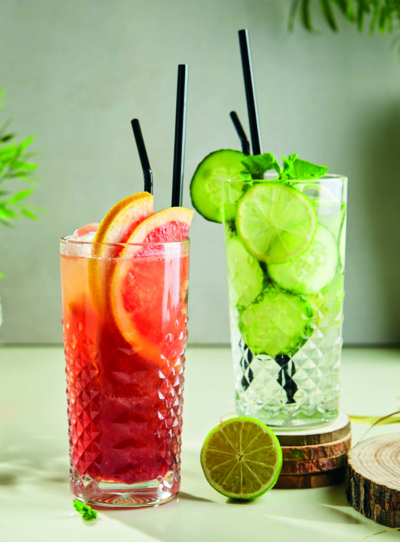
Tea Tonic is a key drinks trend in 2026, reflecting the innovation within the cold drinks category, for example bubble teas, flavoured teas, functional teas and matcha teas.
Which types of drinks will be most popular?
Some of the cold drinks that will be trending in 2026 include ice teas, bubble teas and flavoured teas.
What will the food trends be in 2026?
In 2026, our research has pointed to six key food and drink trends that will shape out of home menus in the UK:
- Flavours less travelled: with Malaysian, Korean and South American (i.e. Brazilian, Venezuelan, Peruvian, Columbian) becoming popular.
- Topped and Loaded: which focuses on the growing appeal of generous loaded dishes.
- FastForward Flavours: which captures the emerging ingredients set to trend on menus in the next one to two years.
- Tea Tonic: which is all about innovative, flavour-led, refreshing tea drinks for example, iced teas and bubble teas.
- Sweet Adventures: which highlights the desire to try global and novel desserts.
Which types of foods will be most popular?
Some of the key dishes that feature in the food trends we have highlighted this year include:
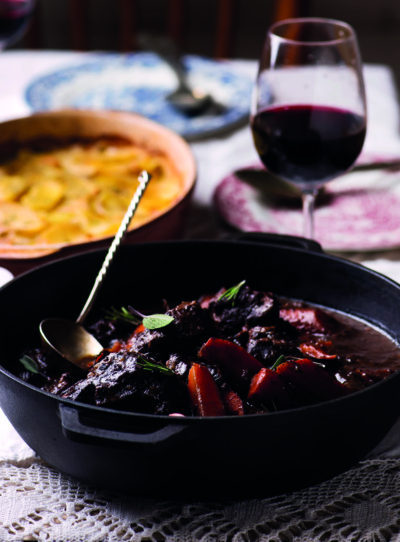
- South American cuisine: Brazilian Feijoada and Moqueca dishes, Columbian and Venezuelan Arepas and Tequeños dishes, and Peruvian Ceviche.
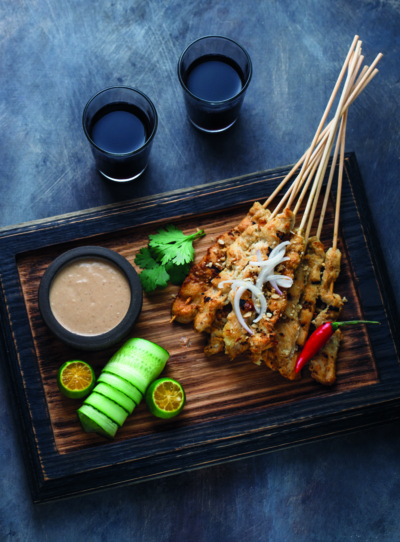
- Malaysian cuisine: Nasi Lemak, Laksa and Rendang dishes. Also, ingredients like red chilli, coconut, coriander, and tamarind.
- Korean cuisine: Bibimbap, Korean BBQ, Korean Fried Chicken and Gyoza dishes, as well as ingredients like kimchi, carrot, sesame seeds and eggs.
- Topped and loaded: Loaded fries, loaded jacket potatoes, loaded hash browns, loaded dumplings and loaded porridge.
- Whole lotta goodness: High fibre dishes and nutrient dense food toppings e.g. avocado, oily fish, berries, nuts and seeds.
- FastForward flavours: Ingredients including miso and salted caramel, hot honey, coconut sugar, pistachio as a cream or crunchy topping, and wild mushrooms to be used for centre plate dishes or as a side.
- Tea Tonic: Popular ingredients to add into bubble teas and fruit teas include yuzu, mango, coconut, passionfruit and matcha.
- Sweet Adventures: Dubai chocolate, Korean croffle, Japanese cloud cake and Bingsu dishes.
Which food trends should you include on your menu?
First and foremost, the trends you reflect on your menu need to be relevant and appealing to your customer base.
The trends we have highlighted for 2026 are influenced by key consumer choice drivers, for example, value, health and consumers’ desire for adventure and an immersive experience when they eat out. However the dishes, formats and cuisines that work best in one venue will be quite different from those that work in another- it’s a matter of understanding what your customers are looking for, how their interests are changing and adapting your offer to reflect this. Our research has pointed to six emerging food and drink trends that will shape consumer choices in the UK in 2026 which you may want to consider, including:
- Flavours less travelled: with Malaysian, Korean and South American (i.e. Brazilian, Venezuelan, Peruvian, Columbian) becoming popular.
- Topped and Loaded: which focuses on the growing appeal of generous loaded dishes.
- FastForward Flavours: which captures the emerging ingredients set to trend on menus in the next one to two years.
- Whole Lotta Goodness: which is about the positive movement towards adding more wholefoods into our diets.
- Tea Tonic: which is all about innovative, flavour-led, refreshing tea drinks for example, iced teas and bubble teas.
- Sweet Adventures: which highlights the desire to try global and novel desserts.
What are the current food trends in the UK?
Current food trends in the UK include 3 major cuisine trends, health trends, value-led trends, ingredient-led trends, global dessert trends and ice-tea trends. To see these trends in action, watch our food safari videos with Bidfood’s chef and insights manager.
Join Bidfood Looking for a wholesale food supplier?
Become a customer and place your first order today.
- A wholesaler who cares and puts our customers first
- Access to sector experts' knowledge and customer-only tools and support
- Efficient deliveries providing specialist brand and own brand products

Source:
*CGA by NielsenIQ and Bidfood 2026 Food and Drink Trends consumer survey, sample size 2,000 (UK adults); data collected May 2025.
**Lumina Intelligence UK-Eating-Out-Market-Report-2025
*** Mintel, British Consumer Confidence and its Impact on Consumer Behaviour, June 2025
**** GO Technology report, Zonal and CGA by NIQ 2025
*****CGA by NIQ, State of Nation 2025, Food Insights Report 2025, Sample Size: 1999
******Mintel, Attitudes towards Healthy Eating, UK, 2025