Source:
*CGA by NielsenIQ and Bidfood 2026 Food and Drink Trends consumer survey, sample size 2,000 (UK adults); data collected May 2025.
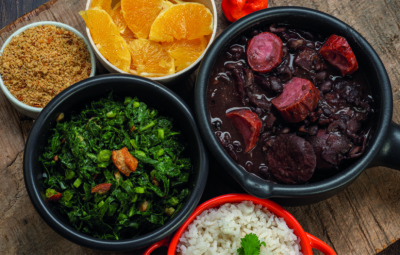
While Brazilian is known for its steak and churrasco (barbecue) flavours, there is a growing appeal for the lesser-known dishes such as traditional hearty stews.
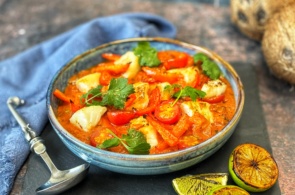
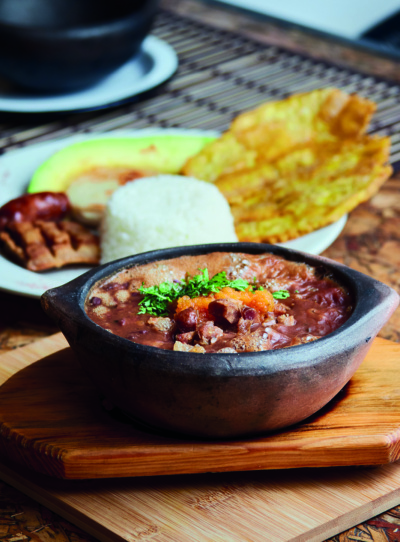
Consumers are interested in the national dish Fejoada – a black bean stew made with beef, bacon and smoked sausage. Moqueca also has appeal, which is a warm white fish stew with bell peppers, tomatoes, cilantro and coconut milk.
Brazilian pies hold most appeal for over 60s, such as the Empadao – a flaky crust pie with casseroled chicken and mixed vegetables*.
Other popular Brazilian dishes include:
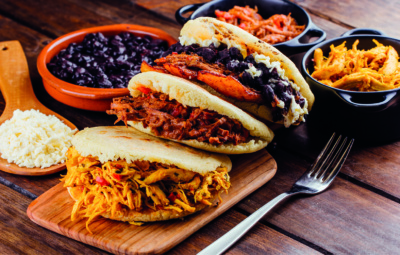
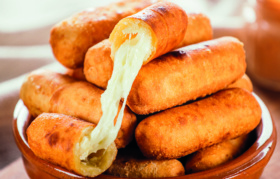
Venezuelan cuisine is celebrated for its comforting, home-style cooking, with dishes built around shredded beef, black beans, plantain, white cheese, avocado and even sugar cane and guava which are used in both savoury and sweet dishes.
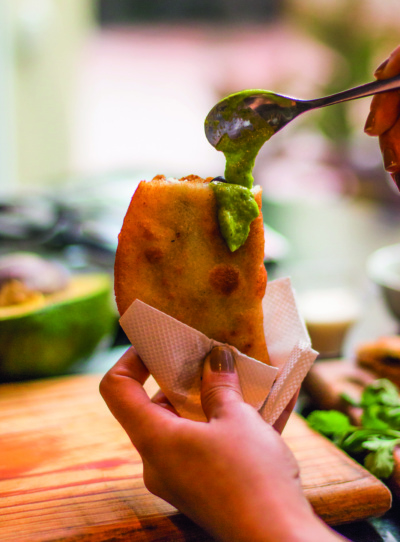
There is a wide appeal for traditional Venezuelan cuisines, however, it’s the familiar formats gaining the most interest from over a third of consumers including barbequed beef skewers and pepito – grilled beef or chicken served on a soft roll/baguette with caramelised onions, lettuce and guasacaca sauce, an avocado salsa.
Other popular Venezuelan dishes include:
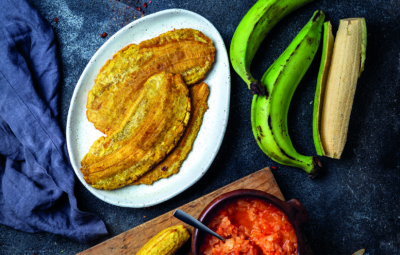
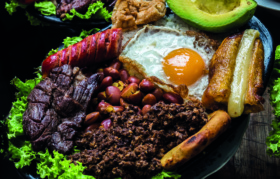
Colombian cuisine shares many similarities with Venezuelan cuisine, including the use of black beans and plantain, as well as empanadas and arepas. However, it features distinctive dishes, particularly its charcoal-grilled specialities and meals designed for shared or communal dining.
Popular Colombian dishes include:
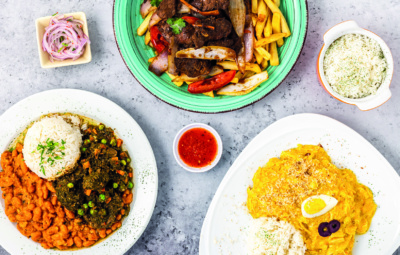
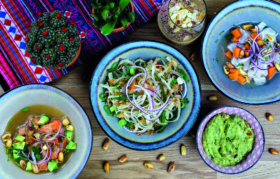
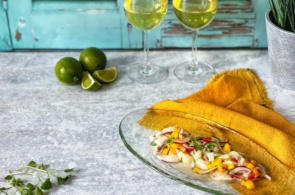
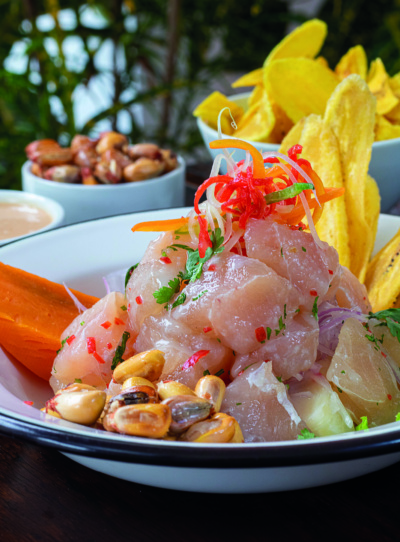
Peru is known for its diverse menus, featuring both meat and seafood dishes. Citrus is the defining element particularly in its national dish, Ceviche – raw fish cured in lime juice with spices and peppers.
Grilled and fried meats are also popular and of interest to consumers, for example chicharron (fried pork belly or pork rinds, often served with sweet potato and corn), Lomo Saltado (stir-fried beef served with chips and rice) and street food Anticuchos (grilled skewers which can be accompanied by salad, corn, potatoes, avocado or toasted cassava and sauces)
Other popular Peruvian dishes include:
A bit of adventure
So why are dishes from South America so appealing? ‘It’s because they offer ‘a bit of adventure’ for 40% of consumers, especially the unfamiliar options*. In fact, Brazilian is perceived to be the most adventurous cuisine, followed by Peruvian and Venezuelan.
A taste of tradition
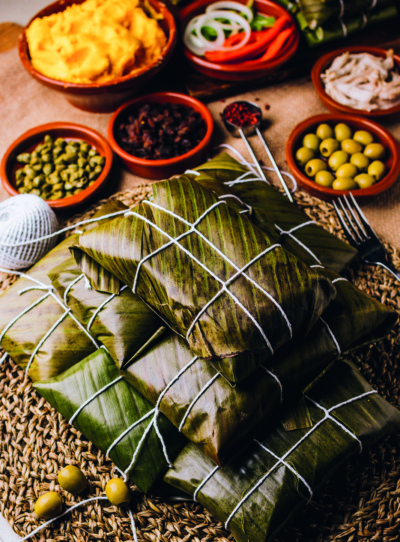
South American offers a taste of tradition for 33% of consumers, increasing to 38% for foodies*. Importantly, foodies, Gen Z and Millennials are willing to spend more when dining out to experience these cuisines, unlocking the potential for higher margin for operators.
Sharing and community
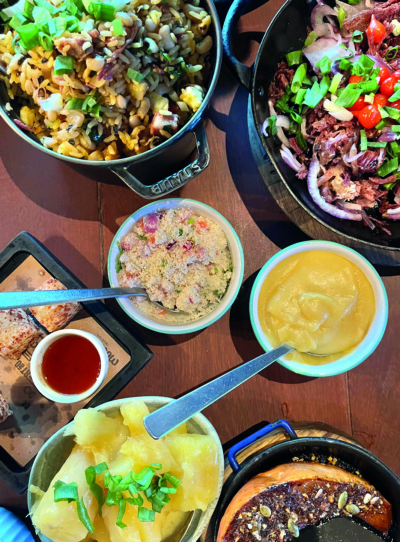
While these cuisines are linked to a sense of adventure, younger consumers also associate them with community and a social buzz.
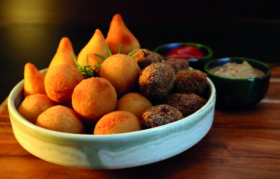
Current menus have featured Brazilian tapas with coxinha, pao de queijo (cheese bread), croquettes and pastels.
Other South American small plates can include:
• Anticuchos: street-food grilled skewers.
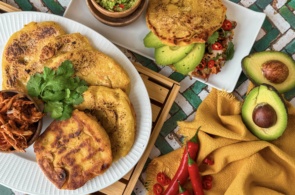
• Arepa’s: corn pancakes filled with cheese, meats or avocado.
• Tequeños: fried cheese sticks served with sweet sauce.
• Empanadas: baked or fried turnovers filled with meat, cheese or sweet fillings.
Using familiar formats
Our research shows that South American cuisine puts a fresh twist on dishes consumers already enjoy. Adding familiar formats or recognisable ingredients can help attract those new to the cuisine.
For example:
• Lomo Saltado: Peruvian beef dish with rice and chips
• Frango Catupiry: Brazilian chicken pizza
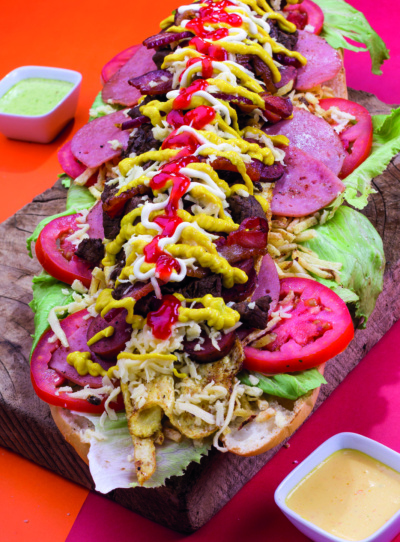
• Pepito: Venezuelan grilled chicken/beef baguette with caramelised onions, lettuce, tomato and guasacaca (avocado) sauce.
• Picarones: Peruvian deep-fried sweet potato doughnuts.
Interactive dining
Consumers are interested in experiential trends and associate this cuisine with a multi-sensory experience. So, leverage the interactive elements of South American cuisine by choosing dishes that promote sharing and hands-on experiences.
Healthier choices
Roughly 2 out of 5 consumers perceive Peruvian and Venezuelan cuisine as healthy*. This may be due to Peru’s fresh seafood and salad options while Venezuelan staples like black beans, avocado, and plantain add natural fibre and nutrients.
The top trending South American dishes vary across different countries, including Brazil, Venezuela, Colombia and Peru. These trending dishes include:
Useful ingredients used in the South American cuisine include black beans, avocado, cassava, olives, tomatoes, plantain and coconut milk. All of which can be used across a variety of dishes.
Yes, Bidfood have recipes inspired by South American cuisine, with our chefs replicating similar techniques and ingredients that can be easily replicated on menus. Recipes include Venezuelan Arepas, Brazilian Moqueca White Fish Stew and Peruvian Seabass Ceviche. You can find the full recipes here.

Source:
*CGA by NielsenIQ and Bidfood 2026 Food and Drink Trends consumer survey, sample size 2,000 (UK adults); data collected May 2025.