Source:
* CGA by NielsenIQ and Bidfood 2026 Food and Drink Trends consumer survey, sample size 2,000 (UK adults); data collected May 2025.

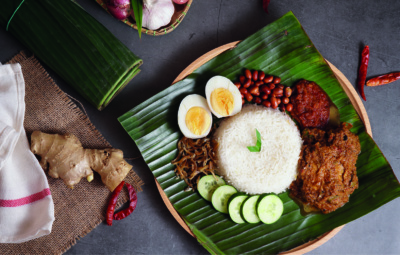
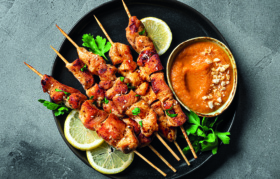
Malaysian popular dishes:
Key side dishes:
A fusion of culture
Malaysian cuisine reflects the nation’s diverse heritage, blending Singaporean, Thai, Indian and Chinese influences with native traditions. While some restaurants may offer pan-Asian dishes, what makes Malaysian food unique is how it transforms these influences into something distinctly its own.
The staples: rice and noodles
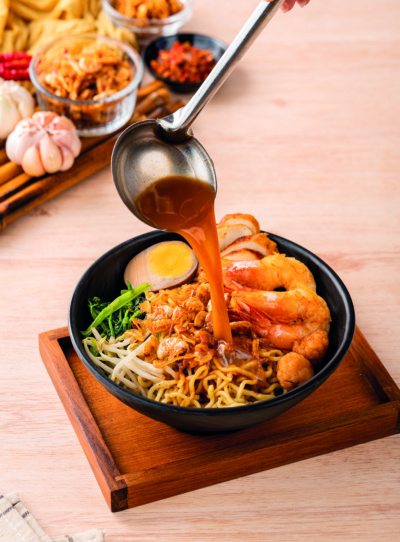
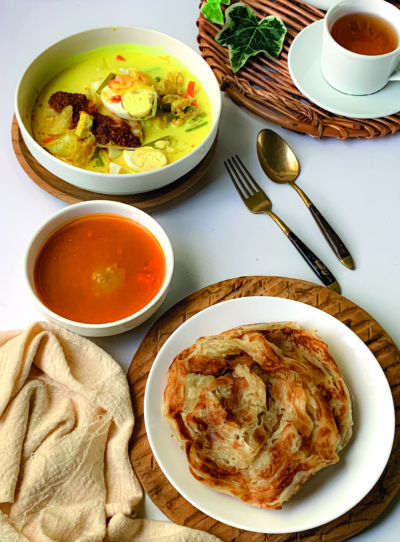
Rice and noodles sit at the heart of Malaysian cooking. From smoky Hokkien Mee to creamy coconut-broth Laksa, noodles come in many forms.
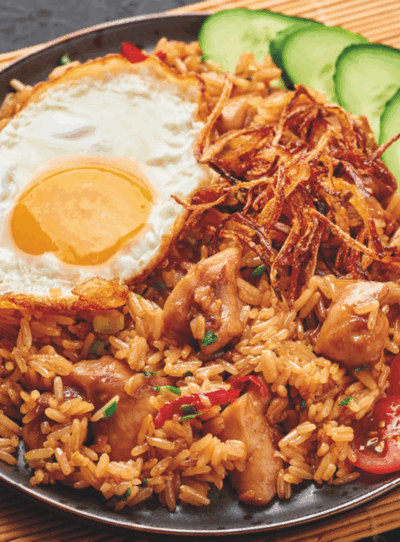
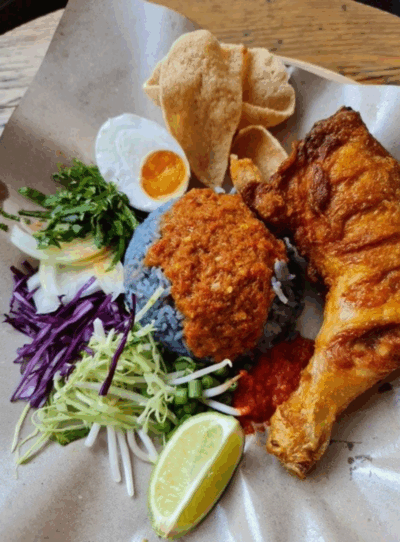
Meanwhile, rice features in everything from the national dish Nasi Lemak (using coconut rice) to the ever-popular Nasi Goreng (using fried rice)
The native dish
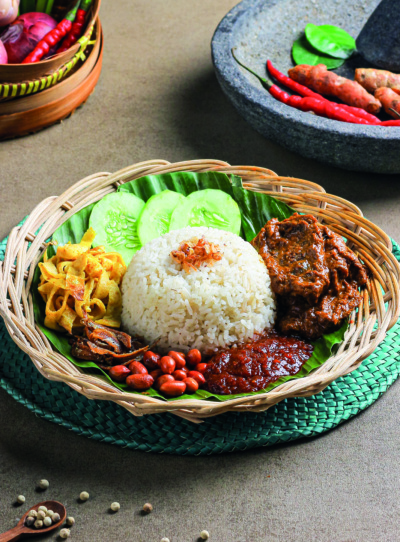
Nasi Lemak is Malaysia’s traditional national dish, made with coconut rice, sambal curry, peanuts, chilli, and boiled egg. Although often eaten for breakfast, it is enjoyed throughout the day, often elevated with fried chicken, anchovies, or vegetables. Notably, 41% of foodies appreciate the traditional nature of this cuisine*.
Street food culture
Malaysia is famous for its vibrant street food, especially in night markets, and the appeal translates well to the UK. While casual dining restaurants remain the most popular setting for consumers seeking Malaysian cuisine, a third of consumers are still interested in trying it at street food stalls, an accessible way to introduce them to authentic flavours.

Desserts and sweet treats
Coconut and condensed milk are staples in many Malaysian desserts and drinks. For example, Teh Tarik is Malaysia’s famous pulled milk tea, is sweetened with condensed milk, while Cendol is a shaved ice dessert with coconut milk, pandan jelly, and palm sugar syrup.



Small bites and shared plates
Malaysian cuisine is deeply rooted in communal dining. Offering small bites and sharing plates is an effective way to introduce it to consumers.
In fact, 25% of foodies, particularly those aged 18–34, are drawn to its associations with community and sharing*.
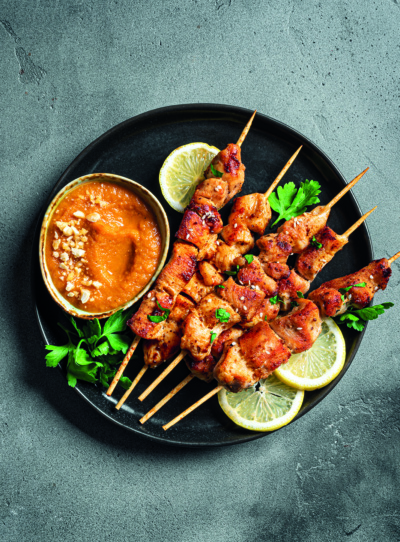
Dishes suited to small plate menus include Chicken Satay, Rendang Beef Spring Rolls, Pandan Fried Chicken, karipap, and Roti Canai

Attract foodies and students
Feature popular dishes during theme days to capture these audiences.
Students show the strongest interest in Karipap and Roti Canai, while foodies favour Nasi Goreng and Satay.
Dietary adaptations
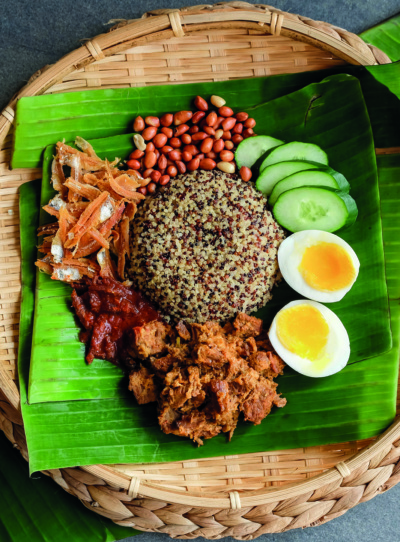
Providing diverse options for different dietary preferences is essential, and Malaysian dishes can be easily adapted in appealing ways. For instance, mushrooms or tofu can replace meat, while quinoa can be used as a substitute for rice
Offer a modern twist
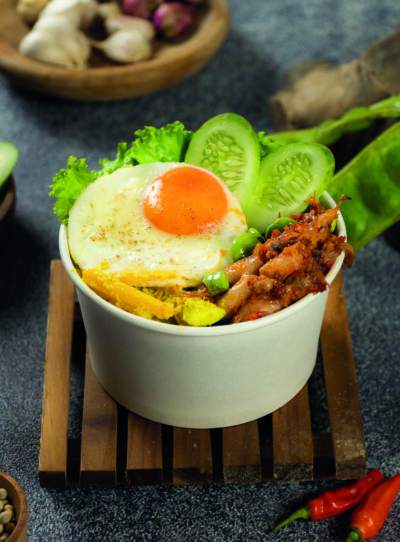
For less adventurous diners, familiar formats can bridge the gap. Consider mini curry pots or sandwiches featuring Malaysian flavours like sweet and savoury chicken, cucumber, and spring onion – both are versatile options suited to different settings.
Leverage regional differences
Knowledge of regional variations builds authenticity and consumer confidence. For instance, Laksa differs by region: Penang’s version is sweet-and-sour with tamarind, Ipoh’s is hot and spicy with sambal, while Melaka’s is creamy and peppery.
39% of students are interested in learning about the nuances of Malaysian food, while a lack of familiarity acts as a barrier to entry for almost half (45%) of consumers*.


Yes, Malaysian food has grown increasingly popular in the UK, with more restaurants, markets, and festivals showcasing the cuisine. It’s set to rise in interest as 55% of consumers are likely or very likely to try Malaysian cuisine and 41% are willing to pay more to taste it*.
Yes, Bidfood have recipes inspired by Malaysian cuisine, with our chefs replicating similar techniques and ingredients that can be easily replicated on menus. Recipes include an authentic Prawn Laksa and Rendang Bites with Sriracha Sauce You can find the full recipes here.

Source:
* CGA by NielsenIQ and Bidfood 2026 Food and Drink Trends consumer survey, sample size 2,000 (UK adults); data collected May 2025.