Source:
*CGA by NielsenIQ and Bidfood 2026 Food and Drink Trends consumer survey, sample size 2,000 (UK adults); data collected May 2025


Appeal to younger consumers
While Korean cuisine has high appeal – 51% say they would be likely to try it over the next 1 to 2 years – it’s Gen Zs (72%), students (72%) and 30 to 39 year olds (75%) who are the best target market for this cuisine*.

Desserts and sweet treats
Korean desserts are part of a growing desire to try sweet treats from around the world – see our Sweet Adventures trend. Bingsu and croffles are great examples that are trending right now, alongside Dubai chocolate, Basque cheesecake, and Japanese cloud cake.

Casual vs traditional
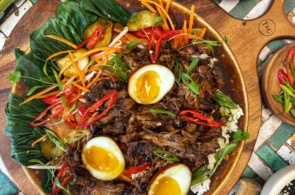
Korean fried chicken has been popular for some time, but we are now seeing growing appeal of more traditional Korean dishes, like Bulgogi or Bibimbap. In fact, 42% of consumers likely to try it like the traditional nature of the cuisine*.

Social dining and sharing dishes
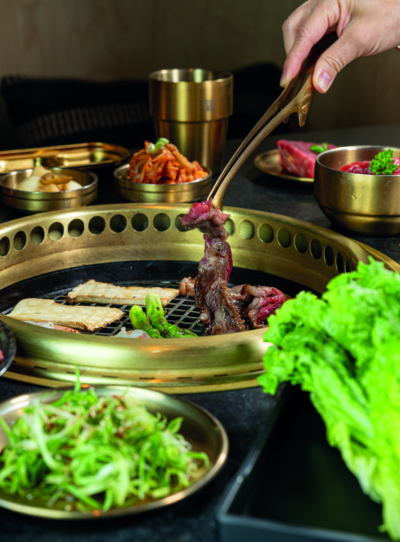
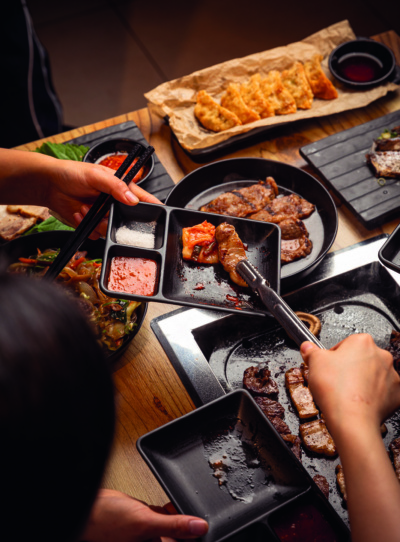
73% of consumers eating out of home would be likely to try new cuisines if they were in small plates, and 68% in sharing platters. Korean cuisine is traditionally a social and sharing experience. Korean BBQ epitomises this, as well as banchan, which are smaller shared dishes, like kimchi, vegetable sides, jeon filled pancakes and mandu or gyoza dumplings*.
Street-food inspired options (bunsik)
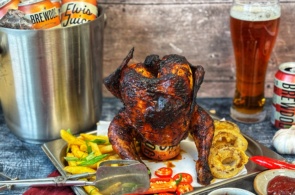
40% of consumers who eat out typically visit street-food venues, but these dishes are also great options for on-site menus. Choices like Korean fried chicken, bibimbap, mandu or gyoza dumplings, Korean corn dogs, and jeon filled pancakes work well for both on-the-go and sit-down offers*.

Great for plant-based choices
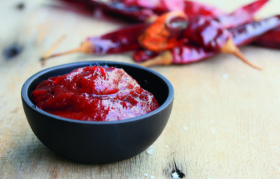
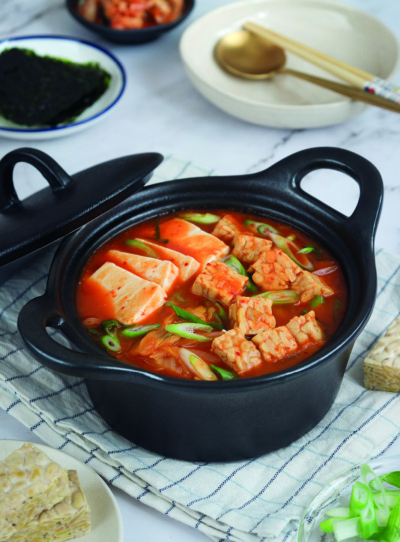
2% of consumers who eat out describe themselves as vegan, 5% as vegetarian*. However, plant-based choices are increasingly popular, and 20% of consumers describe themselves now as flexitarian*. Korean menus often feature plant-based dishes based on tofu, kimchi, as well as ingredients like cabbage, radish, cucumber, mushroom, seaweed and beansprouts. Many sauces like gochujang and miso are also plant-based.
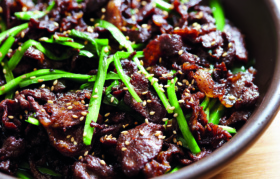
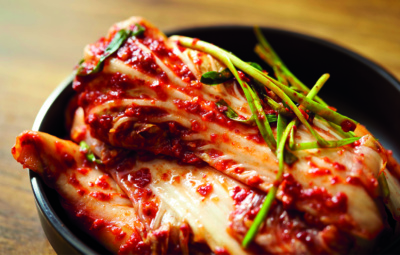
We found that the most popular Korean dishes with UK consumers were Korean fried chicken, Korean BBQ, dumplings – both gyoza and mandu, bulgogi (a dish featuring grilled or stir-fried, thinly sliced marinated meat), kimchi (fermented vegetables made with chilli sauce or flakes, ginger and garlic), jeon (filled, savoury pancakes) and bibimbap (a claypot dish of warm rice topped with vegetables, meat or tofu, a fried egg and gochujang chilli sauce).
Korean BBQ is a highly versatile dish and cooking method, combining marinated meats and vegetables grilled on a table BBQ, and served with spicy sauces in a lettuce leaf with traditional Korean sides, like Kimchi. You can choose from beef, pork, chicken, fish and seafood, or plant-based proteins like tofu, and offer a variety of dipping sauces like soy mustard, soybean and chilli paste sauces, or simply sesame oil and salt. So, the combinations of flavours are almost endless making it a way of cooking that has broad appeal, offering something for everyone.
In our 2025 survey of consumers eating out of home, 35% of those who said they would be likely to try Korean food in the next 1 to 2 years, perceived Korean dishes to be healthy*. Koreans have traditionally preserved food through fermentation. And so, Korean cuisine features several fantastic, fermented ingredients like kimchi, fermented soy-based sauces like soy and gochujang. Vegetables like spring onion, cabbage, radish, cucumber, and beansprouts are a key part of many Korean dishes, as well as plant-based ingredients like tofu.
Our chefs have created some delicious savoury and sweet recipes including:
You can find the full recipes here.

Source:
*CGA by NielsenIQ and Bidfood 2026 Food and Drink Trends consumer survey, sample size 2,000 (UK adults); data collected May 2025