











Unlock your menu to save money

Simple swaps and solutions to save money

We’re here to help you get the most out of every menu. There are many simple ingredient swaps which can make a big difference to your bottom line, without compromising on quality or taste. Whether it’s switching to a more cost-effective cut of meat or using versatile store-cupboard staples, our expert tips are designed to help you reduce costs while still delighting your customers.

Easy ingredient swaps

  • Upsell profitable add-ons

    Why: This works for both food and drinks. Add premium-sounding, high-margin options such as flavoured butters, distinctive toppings or sauce ‘upgrades’ to boost your average spend.

    Swap idea:
    Instead of pepper sauce, try offering a whipped butter blended with garlic purée and truffle oil. This gives a premium feel and elevate a classic steak, allowing you to charge more for a perceived upgrade. Alternatively, top a lettuce wedge with blue cheese dressing and crispy fried onions to enhance the plate presentation and balance costs when serving a smaller steak portion.

  • Use cheaper cuts of meat

    Why: Cuts like chicken thighs, beef brisket or pork shoulder are more affordable yet full of flavour. They offer great versatility and value while still delivering on taste and texture.

    Swap idea: Try using a grilled, marinated chicken thigh in burgers or skewers for a juicier, more flavoursome option. Alternatively, coat marinated thighs in buttermilk and crumb them, then drizzle with hot honey or Korean BBQ sauce for a delicious premium twist that keeps costs low.

    Product suggestion: Why not try our Sizzling Original Chargrilled Chicken Boneless Thigh (Halal)

  • Reduce meat, increase plant-based

    Why: Reducing the amount of meat in dishes helps manage costs while supporting a more sustainable menu.

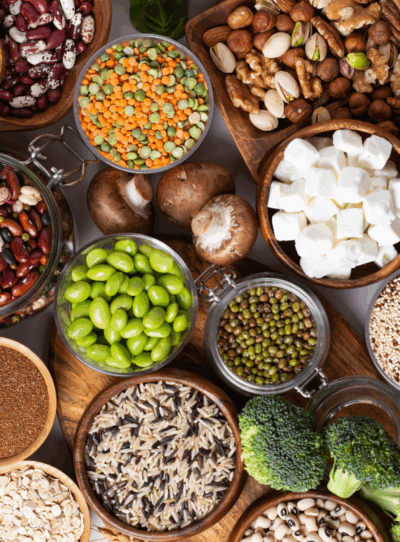
    Swap idea: Try mixing in lentils, beans or vegetables to bulk out minced meat dishes like chilli or Bolognese to enhance texture and flavour while lowering overall meat use. Or create a completely plant-based option such as a chickpea and squash tagine with lentils and plenty of fresh vegetables, or a lentil and root vegetable burger served on a sweet potato base. These dishes offer great taste, value and align with growing sustainability trends.

  • Use versatile ingredients

    Why: Ingredients that work across multiple dishes and dayparts help reduce waste, simplify prep and improve stock turnover.

    Swap idea: Greek yogurt is a great all-rounder: it’s cost-effective, lower in fat and adds a creamy tang. Use it at breakfast with fruit and granola or with Turkish eggs and harissa. For lunch, try it in dips, flatbread dressings or sandwich fillings. At dinner, mix into hummus and top with roasted red peppers, or use it in desserts like Greek yogurt pannacotta, honey parfait, sticky toffee pudding or treacle tart.

    For more guidance on optimising your menu across different dayparts, click the button below.

    Find out more
  • Make the most of leftovers

    Why: Repurposing can create new dishes with zero additional cost.

    Swap idea: Give your Sunday roast leftovers a new life! Use cooked meats in sandwiches, paninis or salads the next day, and turn leftover vegetables into hearty soups or flavourful sauce bases for pasta or pies.

    For more creative ways to repurpose ingredients and reduce food waste, explore our food waste solutions webpage.

    Find more food waste recipes like Cauliflower Cheese Soup with Rarebit Toast or a Hash topped with Pulled Beef and Fried Egg in our ‘waste not, save lots’ guide.

  • Switch to long shelf-life alternatives

    Why: Fresh cream and milk can be costly and have a short shelf life, leading to unnecessary waste.

    Swap idea: Use long-life or ambient dairy and non-dairy alternatives instead. They last longer, reduce spoilage and are always ready when you need them.

  • Maximise flavour

    Why: You can achieve the same rich, cheesy taste with less product by choosing a mature cheddar.

    Swap idea: Replace mild cheddar with mature or extra mature cheddar in your recipes, you’ll need less to get the same depth of flavour.

    Extra tip: Grate cheese finely before adding to dishes like pasta, soups or bakes so it distributes more evenly and goes further.

  • Make use of canned goods

    Why: Canned ingredients are affordable, versatile and have a long shelf life. Perfect for reducing waste and save room in your fridge.

    Swap idea: Use tinned tomatoes, beans, lentils or chickpeas instead of fresh where possible. They’re pre-cooked, consistent in quality and save prep time.

Own brand products Over 1,000 own brand products in our range

Save money without compromising on quality. Our extensive own brand range is benchmarked against leading brands and competitors to ensure it delivers exceptional standards at great value, helping you make every pound go further.

  • Catering supplies
  • Drinks, snacks and confectionary
  • Meat and poultry
  • Fish and seafood
  • Bakery
  • Desserts
  • Everyday essentials
  • Meal solutions
  • Dairy
  • Delicatessen
  • Produce and accompaniments
  • Alcohol
Find out more

Money saving tips

  • Switch to seasonal produce

    Why: Seasonal fruit and veg are more abundant and therefore cheaper.

    Swap idea: Use butternut squash instead of sweet potato in soups or roasts during Autumn months.

    What’s in season? Explore Oliver Kay’s seasonal support with trends, product ideas and recipe inspiration for seasonal menu planning.

    Explore now
  • Don't snub the lesser known brands

    Why: Household branded suppliers know their products generate a premium, but we have a range of products and brands that are exclusively for wholesale.

    Swap idea: Check out our range for some products that are exclusive to Bidfood which are not only great quality, but are also great prices.

  • Switch from fresh to frozen

    Why: You can buy products in bulk and then freeze, only taking out what you need from the freezer which will minimise food waste and saving costs.

    Swap idea: Freeze fresh herbs in oil or butter to use later, rather than buying small batches regularly.

  • Offer limited time specials based on surplus stock

    Why: Run a daily or weekly chef’s special using nearly expired or surplus stock to avoid waste. This not only prevents food waste, the perceived value of a ‘chef’s special’ means you can charge a little more for these items.

    Swap idea: If you have a surplus of cherry tomatoes and feta in the week, offer up a limited edition ‘Roasted Cherry Tomato & Goat Cheese Flatbread’ as a starter, or a ‘Baked Chicken with Goat Cheese, Cherry Tomatoes & Basil Oil’ for a main meal.

  • Optimise portion sizes

    Why: Right-sizing portions helps reduce waste and ingredient spend.

    Tip: Review plate returns and adjust serving sizes to avoid over-serving.

Best practices and staff training


  • Educate on cost awareness: Train your team on ingredient costs and how small savings add up across the menu. Use resources like Caterers Campus modules on ‘Controlling your costs’ and ‘Understanding and calculating profit’ to build knowledge and confidence in cost related decision-making.
  • Standardise portions and prep: Use prep sheets, portion controls and consistent ingredient usage to reduce over-prepping, prevent waste and maintain consistent dish quality. Align daily prep with expected demand to keep efficiency high.
  • Encourage creativity and versatility: Empower chefs to repurpose leftovers, suggest low-cost swaps and use base ingredients across multiple dishes. This reduces stock variety, cuts waste and creates exciting menu opportunities.
  • Stock management and storage: Implement First In, First Out (FIFO) for labelling and rotation, track waste daily and optimise storage with proper refrigeration, vacuum sealing and freezing techniques. Well-managed stock prolongs shelf life and minimises unnecessary costs.
Conclusion and next steps

By implementing these simple swaps and tactical strategies, you can make small changes to see a big difference to your costs, whether that is through ingredients or best kitchen practices.

Start today by reviewing standing orders, ensuring that they are fit for purpose and not wasteful, and get your staff trained up with our free Caterers Campus e-learning platform.

FAQs

Do these swaps really make a noticeable difference to costs?

Absolutely. While each swap might seem small on its own, the cumulative effect across a full menu and over time can significantly reduce food costs, lower waste, and boost profit margins.

Will ingredient swaps affect the quality or taste of our dishes?

Not at all. Every suggestion is designed to maintain—or even enhance—flavour and quality. Our tips focus on smart substitutions, not compromises.

How can I get my staff on board with these changes?

Start with small wins and clear training. Use our free Caterers Campus e-learning modules to educate staff on cost control, consistency, and creativity in the kitchen.

We use multiple foodservice suppliers. Why consolidate?

Consolidating your orders with one supplier can unlock better pricing, reduce delivery costs, simplify stock management, and help you spot overlaps or inefficiencies.

How often should I review my menu and stock?

Ideally, do a light review monthly and a full review seasonally. Keep an eye on sales trends, returns, and waste logs to help guide decisions.

What if I have surplus stock I don’t know what to do with?

Turn it into a chef’s special! Limited-time dishes not only prevent waste, but create a sense of excitement and exclusivity that your customers will love.

Where can I find more tips or support?

You’ll find plenty more resources on our Caterers Campus, including modules on saving costs, making profits, and more modules designed to support foodservice professionals at every level. You can also take a look at our other support tools within Unlock your Menu such as Saving Energy in Commercial Kitchens or Managing Inflationary Pressures.

Back to Top