Food packaging is no longer just about getting a meal from one place to another, it’s a strategic tool for shelf life, branding, and sustainability considerations. But with so many options on the market, which packaging should you choose? And with adding in complexities such as regulatory shifts, changing consumer expectations and keeping up with evolving packaging, we know it can be confusing!
Our experts have rounded up the top food packaging picks for 2025, helping you choose the right packaging for your business.
Functional packaging – keeping food fresh!
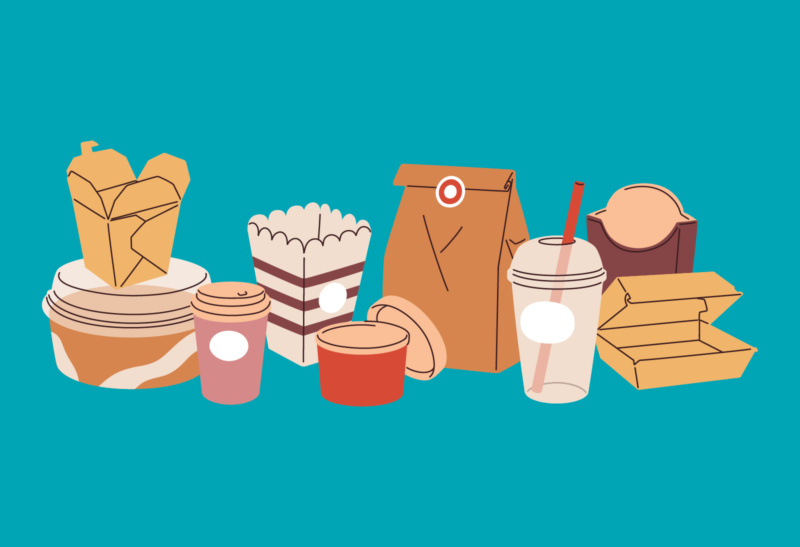
Despite the cost-of-living crisis, 80% of Britons still indulge in deliveries and takeaways1. Therefore, the primary purpose of food packaging is ultimately about keeping food protected while being transported.
It is important to consider the type of meal and portion size when choosing your food packaging. Avoid using containers that are too large, which may result in over-serving. A container that’s too small might lead to spilling in transit. Not only does this save on your costs but also prevents food waste which is one of the biggest waste factors globally.
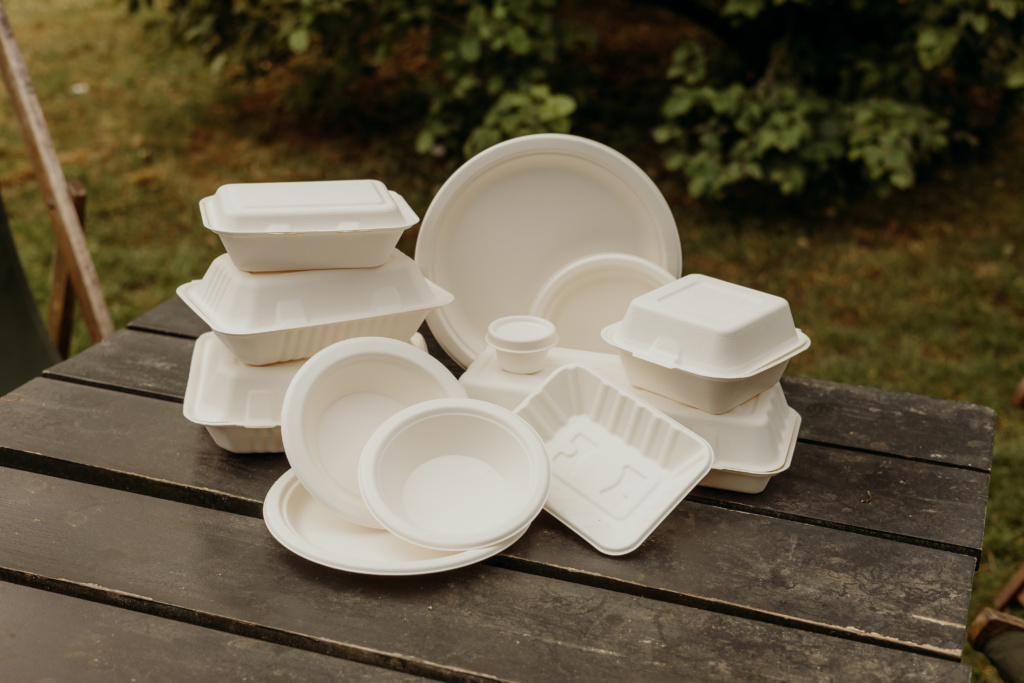
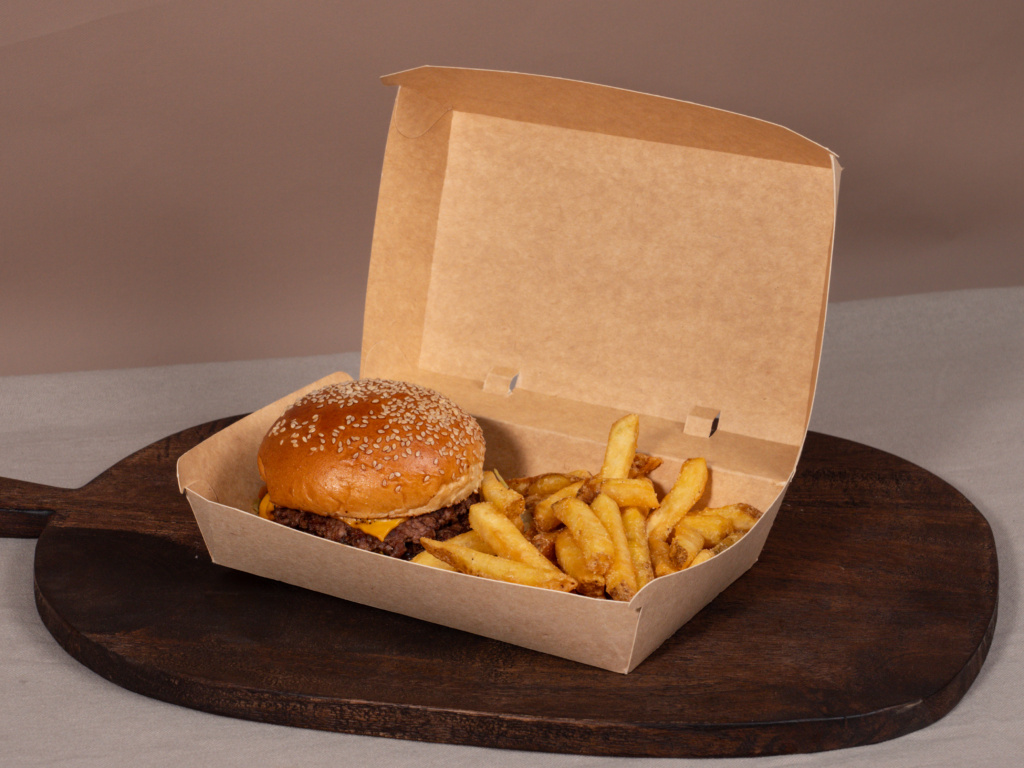
Bagasse packaging is a staple in the foodservice industry, popular due to its versatility as used for both hot and cold food, as well as being grease resistant.
Bagasse is a by-product from the sugarcane industry. Instead of going to waste it’s repurposed into moulded fibre to create sturdy food packaging with no added PFAS. Bagasse is industrially compostable where facilities exist.
The bagasse range is one of our most purchased ranges, but what makes it popular?
- Varied range to fit most menu types.
- The built-in lid on clamshells helps keep food warm and secure – perfect for transit.
- Bagasse is grease resistant – strong enough for hot, oily and saucy foods.
- Ideal for most takeout meals – rice/curry dishes, pasta, breakfast combos, fried chicken dishes etc.
- Bagasse lids – innovation for hot drinks.
Bagasse is considered eco-consious packaging, which brings us onto what makes packaging sustainable?
What makes packaging more sustainable?
Sustainability leads the conversations in 2025. 70% of consumers are concerned about product packaging ending up in landfills and many have reported confusion regarding the sustainability of packaging. 47% of diners now prioritise eco-friendly options when deciding where to eat/order from, up 5% from 20232.
Catering is not just about food, it’s about the full offer, experience, values and impression you leave behind. Using packaging with sustainable features, sends a clear message that you care about what you serve and how it affects the world.
But it isn’t always simple to know what packaging to use because what makes a product more sustainable is often up for debate, with many factors to consider, from the manufacturing process to how the product is disposed of.
So, the first thing to do is to check what waste streams are available to you. Speak to your waste provider, as this will give you direction of what products to use from both a practical and an economical point of view.
Read our previous blog for more information: Are you recycling effectively?
Using sustainable packaging may seem the more expensive option, however in the long run, it can save you money! Now that ‘Simply recycling’ legislation is in place, caterers can lower their disposable costs and reduce waste management fees by reducing waste and aligning with local recycling programs and composting facilities.
Innovation in food packaging
There has been some fantastic innovation in packaging materials over the past few years, and one of them is doing amazing things with something you’d only expect to see at the beach! Notpla’s seaweed packaging ticks numerous boxes for operators’ ESG targets. Their patented seaweed coating technology offers several key benefits:
- Plastic-free and PFAS-free: Made from seaweed and other natural materials, Notpla products are completely biodegradable and break down naturally without leaving harmful micro plastics or toxic chemicals behind.
- Compostable: Unlike many “bioplastics,” Notpla products can be composted at home or in industrial facilities, returning nutrients to the soil and making it easy for the end consumer to dispose the product with minimal impact on the environment.
- Water-resistant and greaseproof: Ideal for takeaway food, Notpla’s packaging performs like plastic but without the environmental cost.
- Sustainable sourcing: Seaweed grows quickly without the need for freshwater, fertilisers, or competing with land-based crops, making it a highly sustainable raw material.
- Consumer appeal: With 71% of consumers agreeing that they try to lead an environmentally friendly lifestyle3, using Notpla can enhance a brand’s sustainability credentials, appealing to environmentally aware customers and helping businesses meet sustainability goals.
Read more about seaweed packaging in our previous blog: What is the next generation of food packaging?
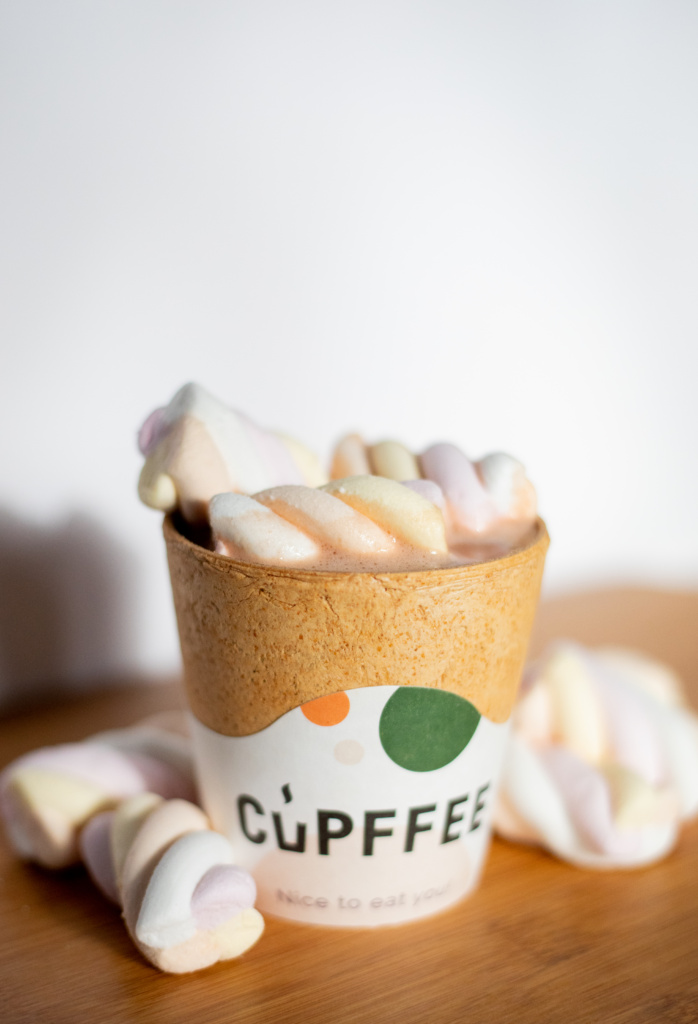
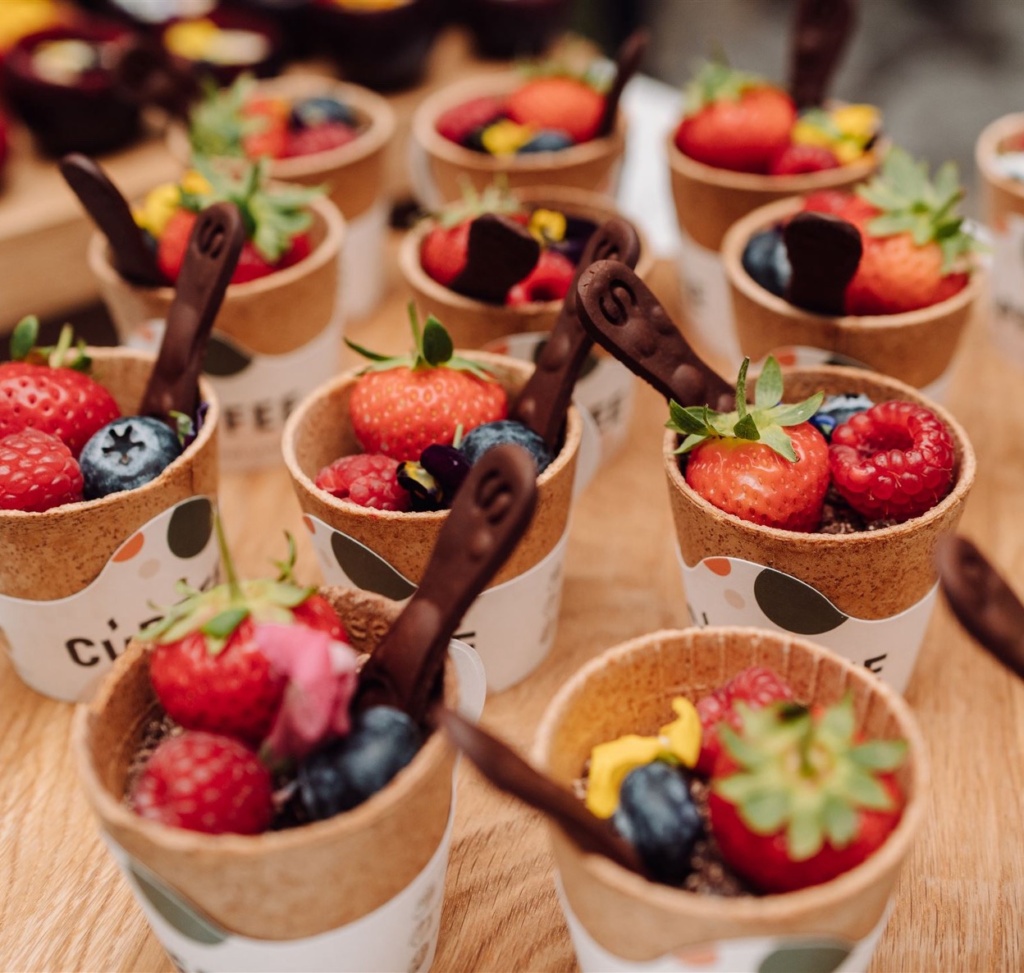
Another amazing product range is Stroodles, making sustainability fun! Stroodles combines sustainablity with theatre with its edible tableware range. Products to highlight in the range is the rice straws designed not to alter the taste of your drink and not go soggy! Just like you would serve ice cream, you can serve coffee in edible wafer cups or why not an affogato?
These unique products are a talking point to creates a buzz around your offering! Bring customers back for more and spread the word!
Seasonal packaging
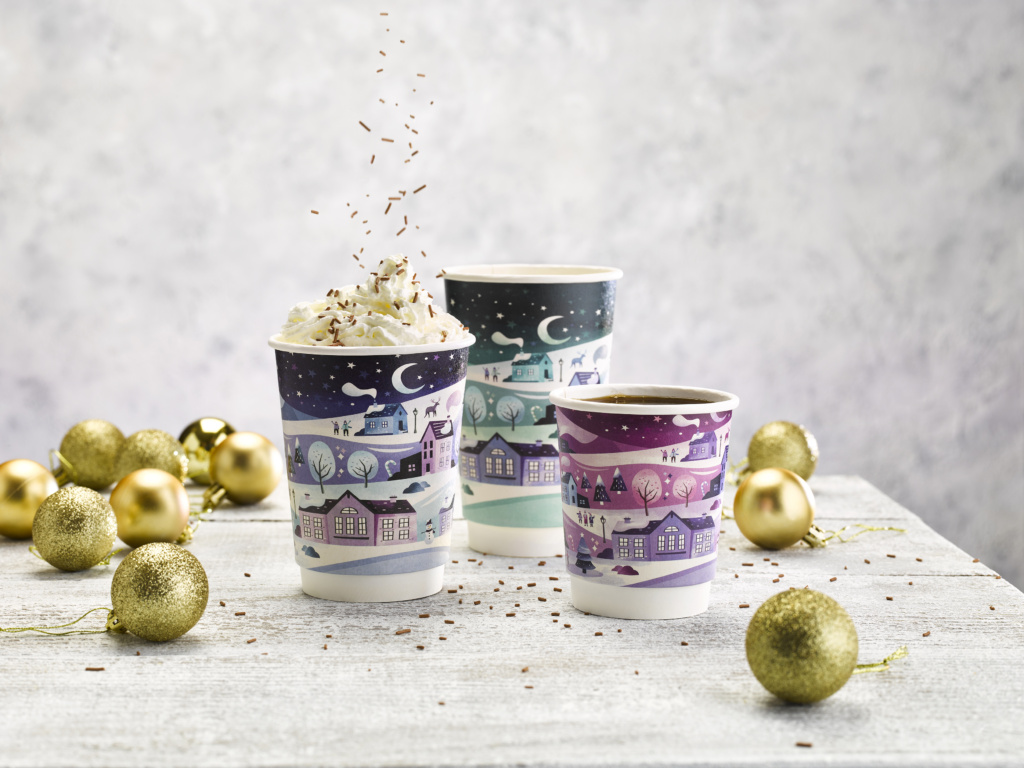
Seasonal takeaway cups have become an iconic part of food and beverage marketing, delivering big impact on a small surface. Think high street chains revealing their new Christmas cup each year!
It’s a great way to enhance customer experience. A fun Christmas cup elevates the drink experience, making it feel more special, even if it’s just a regular latte. And not forgetting a perfect Instagram opportunity that encourage customers to snap and share, giving you some free marketing!
Get ready for Christmas with our new festive design cups inspired by the magic of the winter sky. Perfect for serving hot drinks in the winter season. The cups are made from sustainably sourced card, lined with PLA, and designed for industrial composting.
Keeping up with food packaging legislation
While packaging plays a vital role in food safety, shelf life, and convenience, it has quietly become one of the largest contributors to global waste. The problem? Most of it is single-use, and most of it isn’t recycled. This is why we are seeing more and more new legislation being introduced.
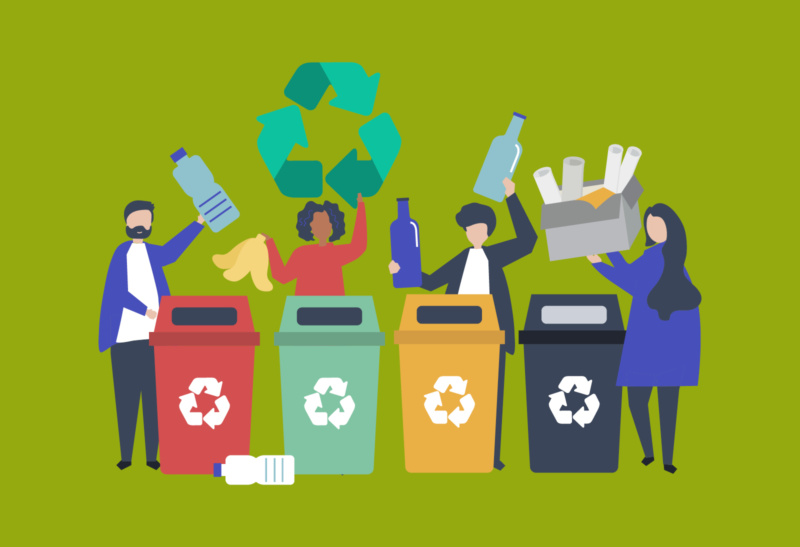
The 31st March 2025 saw food businesses, such as restaurants, cafes, pubs and takeaways, now legally required to separate food waste, dry recyclables (like plastic, metal, glass, paper, and card), and residual waste. This led to operational changes in how waste is sorted and stored on-site, with businesses having to train staff and adjust workflows. Clear bin labelling was introduced and food waste must not be mixed with general waste.
Even though news of the Simpler Recycling legislation was announced as early as October 2023, a general lack of awareness and preparation clouded the industry. ‘Which materials are going to be recycled?’ ‘Who is this going to impact?’ Questions such as these buzzed around for some time.
While the transition has involved some upfront costs from purchasing new bins, training, and collection contracts, many businesses are seeing long-term savings through reduced landfill fees and more efficient waste management.
There is no clear-cut, one-size-fits-all answer when choosing what to serve your meals in. The key is to look at your waste management options and decide on what is best suited for your business and customers. Being transparent and educating your customers on how to dispose of the packaging is important. With the new Simpler Recycling legislation, essentially, you will need four bins:
- Non-recyclable waste/general waste
- Food waste (mixed with garden waste if appropriate)
- Paper and card
- All other dried mixed recyclable materials (plastic, metal and glass)
The food packaging industry continues to change and new legislation is always followed by innovation. We are seeing more consumer-centric solutions around quality, sustainability and transparency. Need help with matching packaging to your menu? Our Catering Supplies specialists can guide you to finding the best solutions.
To view the full catering supplies range, click here.
Resources
1. Foodservice Delivery and Takeaway, UK, 2024, Mintel
2. How the Packaging Industry Has Evolved, UK, 2025, Mintel
3. CGA by NIQ Bidfood 2025 Trends Survey; Sample size: 2000