As we step into a new year, 2026 brings a fresh wave of food and drink trends we can jump on to inspire menus across hospitality and foodservice. And, with continued economic headwinds, there’s never been a more important time to stay ahead of the curve by adapting your offer and hitting the mark with menus that really capture consumer attention.
It’s tough to attract traffic when consumer confidence is shaky. It’s even tougher to encourage repeat visits and maintain margin. So, every element that drums up consumer interest or presents an opportunity to upsell has to be considered.
It goes without saying that the 2025 Food & Drink trends we highlighted last year are still alive and kicking!
- Buns & Bowls: next level, premium on-the-go dishes
- Friendly Fibre: high in fibre dishes that promote gut health
- Closer to Home: Scottish, Welsh and Irish dishes
- Chocolicious: innovation in premium hot drinks including flavoured, frozen and luxury hot chocolates and mochas
- Proactive Practices: eco-friendly menu items and community-conscious initiatives
Alongside these key cuisines:
Greek, Turkish, Portuguese, Southern States, Argentinian, and Swiss
These items are appearing more frequently on menus and across the high street, and that visibility is only likely to increase. That’s because the appeal of trends build momentum over time. Relatively few are here today and gone tomorrow.
So, what are the new crop of trends and cuisines that are set to shape menus in 2026?
Based on our own bespoke survey, run in conjunction with NielsenIQ, and extensive desk research, we’ve identified six key trends. These combine emotional needs such as comfort, adventure and indulgence with evolving expectations around health, value and experience. Whether you’re looking to refresh your menu, inspire your chefs or futureproof your offer, these trends are your guide to what’s next in food and drink.
Explore our full 2026 trends content on our website.
1. Topped & Loaded
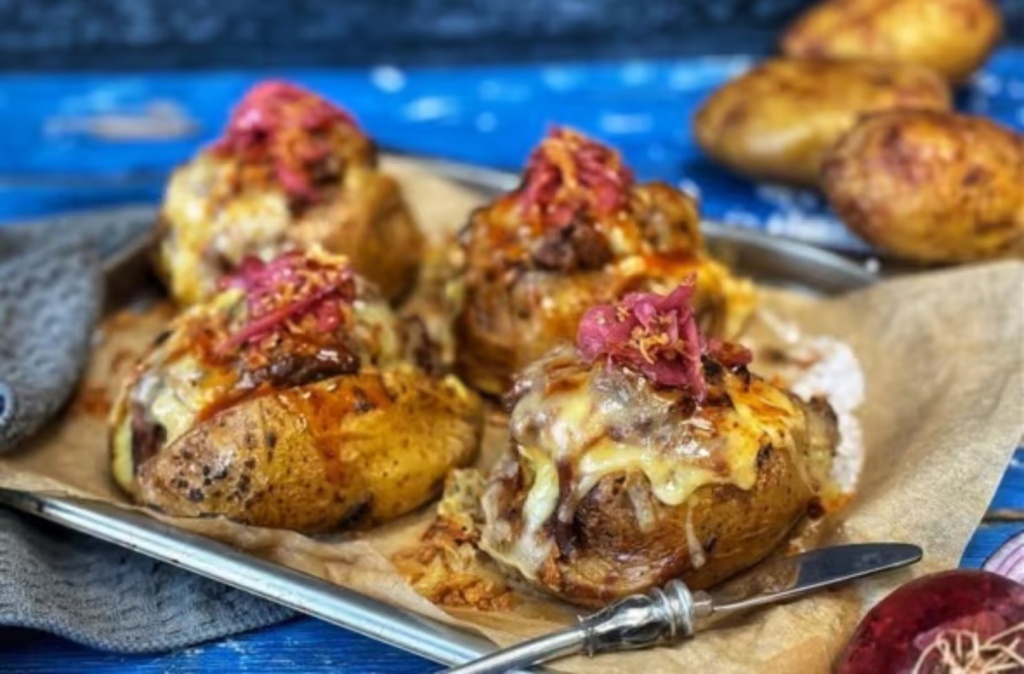
Consumers are hunting for value, generous portions and indulgence right now, so piled-high, eye-catching dishes with delicious toppings deliver just that. One of our chefs’ favourites, this trend taps into demand for customisation, value for money and visual appeal, especially with Gen Z’s and Millennials.
This trend is a great way to repurpose everyday, cost-efficient ingredients into high-value dishes. Personalisation (build-your-own) boosts consumer perception of value. There are endless opportunities to add bold flavours and upsell.
42% of consumers say topped and loaded dishes feel like good value.*
Try our recipes: Jacket potatoes loaded with pulled beef, caramelised onion and cauliflower cheese, or loaded chimichurri pork fries, or even Old Bay lobster-glace loaded hash browns, premium toppings on low-cost bases.
2. Fast-Forward Flavours
Consumers crave excitement on menus, especially with ingredients that elevate a dish and feel premium. Hot honey, miso caramel, pistachio, wild mushroom, caramelised onions, cauliflower, wild caught salmon and gochujang are examples of some of the ingredients leading the charge in flavour-forward innovation. These ingredients are especially appealing for those who consider themselves to be foodies, now over 53% of consumers.*
46% of diners say ingredient quality is one of their top decision drivers when choosing where to eat out.*
Discover how to use these bold flavours in recipes via our interactive guide.
3. Whole Lotta Goodness
Health remains a core driver but 2026’s version is less about restriction and more about nourishment and wholefoods. Customers are becoming increasingly interested in the impact of nutrition on our health and wellbeing, and want dishes that are satisfying and better for them.
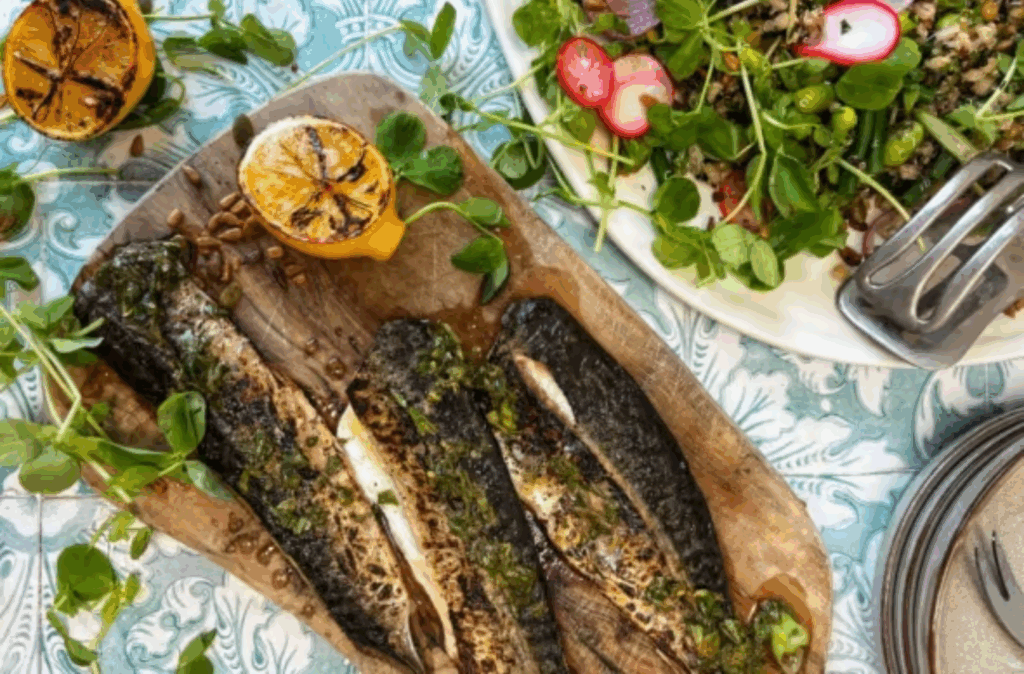
Think wholegrains, lean proteins, oily fish, pulses and vibrant veg as well as vibrant salads, grain bowls, chillies, curries and stews, and porridge or breakfast pots. This trend is perfect for health-conscious consumers that are looking for fresh, high-quality dishes.
The opportunity is all about supporting consumers health and wellbeing, but also helps to boost transparency and build consumer trust, driving brand loyalty. While some wholefood ingredients might be more expensive than more processed alternatives, they help increase perceived value and maintain margins. Others, such as beans and pulses, offer valuable cost-saving opportunities.
48% of consumers have tried nutrient-dense foods (oily fish, berries and nuts) when eating out and would like to try them again.*
Explore our recipes that champion this movement in our Whole Lotta Goodness section for example: Greens and Grains, Torched Mackerel and Candied Seeds, Lentil Bibimbap and Breakfast Bowl with Oat and Quinoa Porridge.
4. Tea Tonic
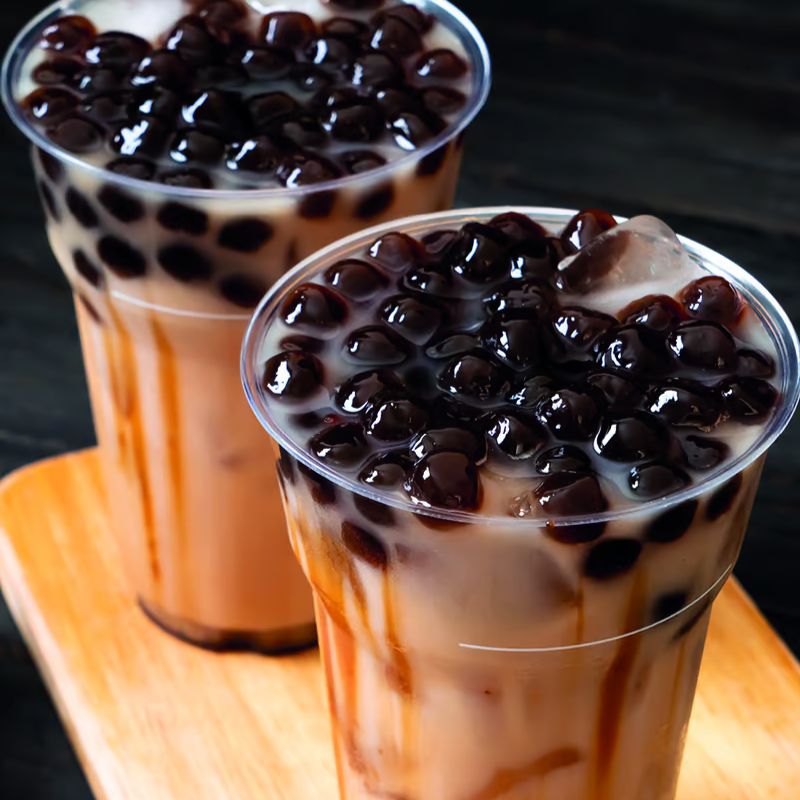
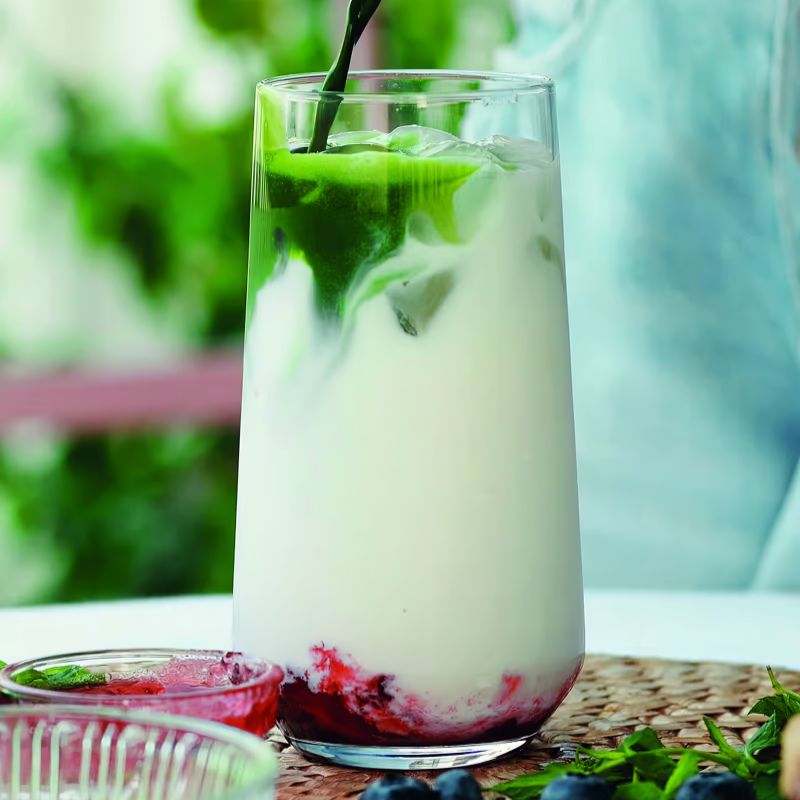
Tea is evolving fast with refreshing new formats and pairings which have particular appeal with younger consumers. From bubble teas to iced teas with unexpected flavour twists, this trend is all about reimagining classic tea concepts through innovation and exciting flavours, and reflects a boom in non-alcoholic creativity. These are the kind of drinks that play brilliantly on social media and carry strong premium potential.
71% of consumers drink tea already and 47% of students are interested in trying iced tea, this is a space primed for reinvention.*
Check out our recipe for Bubble Tea Float with Northern Bloc Ice Cream and our range of iced teas and bubble tea kits.
5. Sweet Adventures
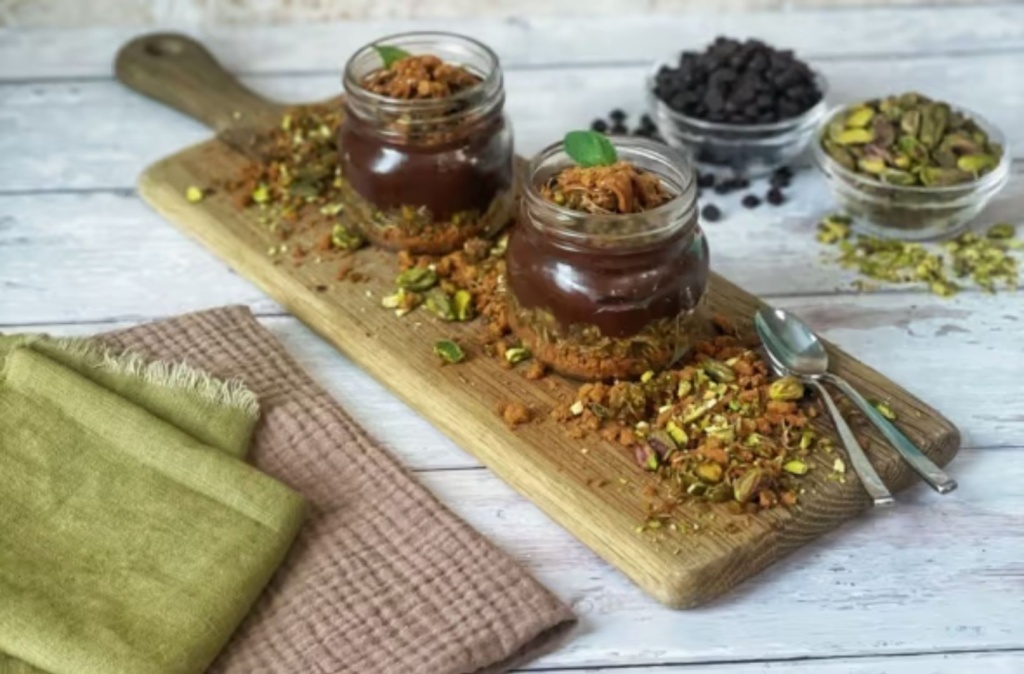
Desserts are getting a global makeover and it’s all about exotic, indulgent treats that offer both novelty and comfort. Think Japanese cloud cake, mango bingsu, Korean croffles, Basque cheesecake, and Dubai chocolate – desserts and flavours that take diners on a journey.
Many of these more international treats are fuelled by social media, and the wave of innovation coming through in specialist bakeries, casual dining venues, bubble tea shops, and coffee shops.
They’re gaining traction because of the size of the treat occasion, almost two thirds of consumers treat themselves when eating out and more than half are looking for something new and unique when they do eat out. So, this trend is about adventure, treat or celebration occasions and elevated experiences.
56% of consumers want to explore new global cuisines when eating out.*
Our chefs have created three easy to make recipes: Dubai-style Chocolate Cheesecake, Japanese Cloud Cake and Mango Bingsoo which can be easily recreated by grating frozen juice, sorbet or ice cream and adding fruit and toppings.
6. Flavours Less Travelled – the 3 key trending cuisines of 2026
Looking further afield, interest in global cuisines continues to grow and diners are venturing beyond familiar formats to discover the authentic, the exciting and the new. Korean, Malaysian, and South American (especially Peruvian, Venezuelan and Colombian) cuisines are gaining momentum.
Korean Cuisine
Fuelled by rising interest in Korean films, music, recipes featuring on social channels- interest in both traditional and modern Korean cuisine is rising right now, and registering very high levels of interest.
51% of consumers would be likely to try Korean food in the next 1 to 2 years.*
Think spicy noodles, pancakes, dumplings and small plates. Diners love the bold, spicy and umami flavours, often perceived to be a healthy and hearty cuisine because of its kimchi, rice and noodle-based dishes.
Take inspiration from our chefs’ recipes: Korean Pork Belly with Asian-inspired Salad, Beer Can Gochujang Roast Chicken with Fries, Slaw and Onion Rings and Korean Sweet Croffle with Cheesecake Cream, Biscoff Crumb and Sauce.
Malaysian Cuisine
Malaysian cuisine appeals to consumers’ sense of adventure and offers bold, heritage-led food and flavour. Think fragrant curries, noodle bowls and flatbreads, with coconut and chilli, tamarind and peanut flavours that create a signature sweet-savoury balance.
55% of UK consumers are very likely or likely to try Malaysian cuisine.*
Try our recipes: King Prawn Laksa topped with Crispy Rice Noodle and Rendang Bites with Lemongrass Sriracha.
Peruvian Cuisine
Consumer appetite for discovery is also driving interest in South American cuisines. Nearly half of diners are keen to try them, with especially high engagement from foodies and students. Colombian, Venezuelan, Peruvian, and Brazilian stand out as the most popular rising cuisines. Around half of consumers are interested in trying these.
Think ceviche, skewers, citrus and chilli flavour combos, comforting fish stews and arepas, cornmeal sandwiches or pancakes with various fillings.
Check out our recipes: Columbian or Venezuelan Arepas, Brazilian Moqueca White Fish Stew and Peruvian Seabass Ceviche.
Putting the trends into action
The 2026 trends aren’t just about flavour, they’re about value, innovation and emotional connection. Here’s how to start using them in your business:
- Refresh your menu with topped and loaded formats using low-cost bases and premium ingredients that drive the perception of quality and value for money.
- Introduce small changes, a new drizzle, a trending dessert, or a premium drink to stay current without overhauling your full menu or inventory.
- Use our digital tools to browse shoppable products and ideas by trend on the Bidfood 2026 Trends Hub.
- Tap into consumer emotions, especially comfort, exploration and wellbeing to connect more deeply with your customers.
Tools to help you
Our 2026 Trends campaign comes with a suite of support for chefs and operators:
- Interactive guide: shoppable and trend-inspired product ideas.
- Trends safari videos: see the trends in action in London and Birmingham.
- Chef-inspired recipes: easy to apply to menus.
Explore more about our 2026 food and drink trends.
2026 is shaping up to be an exciting year for food and drink. Consumers are ready to be inspired, try something new, and make healthier, more satisfying choices. Whether you’re running a pub, a school kitchen, a hotel or a restaurant, step into trends that drive value and set your menu apart!
Let us help you turn them into profit.
Sources:
CGA by NielsenIQ and Bidfood 2026 Food and Drink Trends consumer survey, sample size 2,000 (UK adults); data collected May 2025.