Updated January 2026
Childhood obesity remains a major public health challenge in the UK, with nearly a third of children aged 2 to 15 overweight or obese. To address this, the government has introduced a series of regulations aimed at creating a healthier food environment by reducing exposure to products high in fat, sugar or salt (HFSS), also referred to as “less healthy” food and drink.1
In this blog we will explore:
- The regulations that restrict the promotion and placement of HFSS products.
- The new regulations that restrict the advertising of HFSS products.
We’ll also look at which businesses and products are in scope of these regulations.
We hope this blog helps our customers and other foodservice businesses understand the HFSS regulations, whether they apply to them, and what they need to do to stay compliant.
Important note: This blog is for general information only and should not be taken as legal advice. Always refer to the legislation and official guidance.
Section 1 – Background
In 2016, the UK government published its Childhood Obesity Plan, followed by Chapter 2 in 2018, with the aim of reducing the rate of childhood obesity in England within 10 years.2,3 As part of this plan, the Food (Promotion and Placement) (England) Regulations 2001 were introduced for retail stores and their online equivalents.4,5
This piece of legislation can be broken down into two parts:
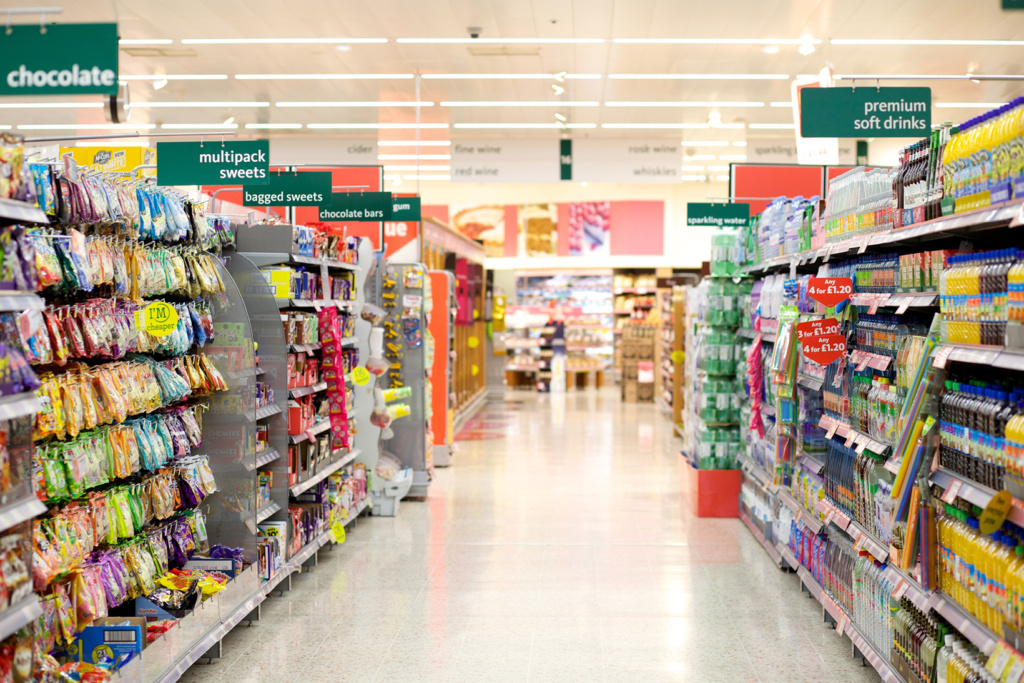
- In-store and online location restrictions for HFSS products – implemented on 1 October 2022 (England).
- Volume price promotion restrictions for HFSS products – implemented on 1 October 2025 (England).
The aim of these regulations is to shift the focus towards healthier food and drink options, making it easier for parents to make better choices for their families.
The second piece of legislation arising from the Childhood Obesity Plan is the Advertising (Less Healthy Food Definitions and Exemptions) Regulations 2024, which can also be broken down into two parts.6,7
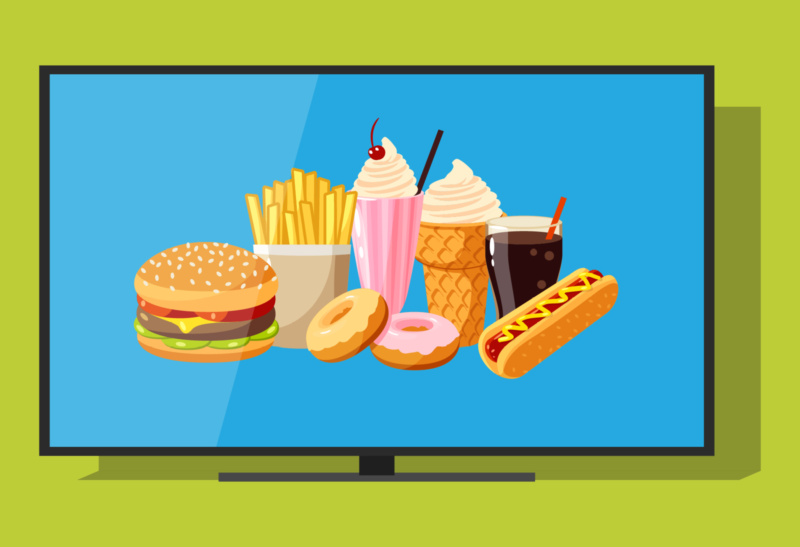
- A 9pm watershed for HFSS advertising on TV – implemented on 5 January 2026 (UK).
- A 24-hour restriction on paid-for HFSS advertising online – implemented on 5 January 2026 (UK).
Section 2 – Promotion and placement restrictions
Who is affected:
The promotion and placement restrictions apply to retail stores with a relevant floor area of more than 2,000 ft2 and their online equivalents, operated by medium and large businesses (50+ employees) in England.
Businesses exempt from these restrictions include small businesses, schools and other educational institutions, care homes, military establishments and the out of home sector (apart from where free refill restrictions apply, see below).
The out of home sector:
The out of home (OOH) sector is generally exempt from the promotion and placement restrictions, apart from the restriction on free refills of sugar-sweetened beverages that are defined as HFSS (less healthy) using the Nutrient Profiling Model (see below).
Examples of OOH businesses include cafes, coffee shops, fast food restaurants and contract catering businesses. OOH businesses located within a retailer are not subject to the promotion and placement restrictions (apart from where free refill restrictions apply) and do not count as part of the retailer’s relevant floor area.8
Section 3 – Promotion and placement: which products are in scope?
What is a HFSS or ‘less healthy’ food or drink?
- A prepacked food or drink product that falls within one of the categories below.
- The product meets the definition of HFSS or ‘less healthy’ when the Nutrient Profiling Model is applied (see below).
Categories in-scope:
- Category 1: Soft drinks with added sugar
- Category 2: Savoury snacks, such as crisps and crackers
- Category 3: Breakfast cereals
- Category 4: Confectionary, including chocolate and sweets
- Category 5: Ice cream, lollies and similar frozen products
- Category 6: Cakes and cupcakes
- Category 7: Sweet biscuits and bars made of cereal, nuts and/or seeds
- Category 8: Morning goods including pastries, pancakes and scones
- Category 9: Desserts and puddings
- Category 10: Sweetened yoghurt and fromage frais
- Category 11: Pizzas
- Category 12: Chips and potato products
- Category 13: ‘Ready meal’ products including breaded and battered products
For full criteria, definitions, and exclusions, please refer to official guidance and legislation.4,5
The Nutrient Profiling Model:
The UK Nutrient Profiling Model (NPM) scores food and drink products by allocating negative points for energy, saturated fat, sugar and salt and positive points for fruit, vegetables, nuts, protein and fibre.
Foods that score 4 points or more and drinks that score 1 point or more are categorised as HFSS or “less healthy”.9
Section 4 – Upcoming regulations
Advertising regulations:
The new advertising regulations restrict the advertising of HFSS (less healthy) products sold for consumption at home or elsewhere. Unlike the promotion and placement restrictions, these rules apply across the UK (England, Wales, Scotland, and Northern Ireland).
The regulations cover:
- TV and on-demand programme services (ODPS) regulated by Ofcom, between 5:30 am and 9:00 pm.
- Paid-for online advertising, including non-Ofcom ODPS, 24 hours a day.
Examples of online advertisements in scope:
- Paid ads on meal delivery apps
- Paid ads in search engine results
- Social media posts where payment is made (e.g. promoted or boosted posts)
- Paid influencer marketing (includes any consideration, monetary or non-monetary)
Examples of advertisements not in scope:
- Organic posts on a business’s own website, app or social media account (i.e., without paid promotion)
- Brand-only advertisements that do not feature a specific HFSS product
- Business-to-business advertisements
- Audio-only advertisements
- In-store advertisements such as posters or A-boards
The upcoming advertising regulations will restrict the advertisement of HFSS products, which are sold for consumption at home or elsewhere. These regulations apply to England, Wales, Scotland and Northern Ireland (unlike the promotion and placement restrictions which differ across the four nations).
These regulations include a 9pm watershed for advertising on TV and a 24-hour restriction for paid-for advertising online, including all on-demand services. Where businesses advertise on their own website or app, these advertisements are not in scope of the regulations as they are not paid for. Furthermore, in-store advertisements, such as posters or A boards, are not in scope.
Who is affected?
The regulations apply to businesses with 250+ employees, who are involved in manufacturing or selling food or drink and paying to advertise on TV or online. This includes retailers, manufacturers (if selling direct to consumers) and OOH businesses.
Please note, existing restrictions banning HFSS ads during children’s television (and programmes with a high proportion of child viewers) (2007) and all other media (2017) remain in place. The new regulations build on these.12
The Advertising Standards Authority (ASA) and Committee of Advertising Practice (CAP) have now published final guidance, explaining how these restrictions are applied and enforced. See guidance for full details.10’11
Price promotion regulations:
The price promotion regulations prohibit businesses in scope from offering volume price promotions on HFSS (less healthy) products in England. This includes:
- Multibuy promotions e.g. “3 for 2”
- Promotions that indicate that an item (or part of an item) is free e.g. “buy one get one free” or “50% extra free”.
- Financial incentives such as “buy 3 products, get 1,000 loyalty points”, where the customer is incentivised to buy more.
Offers that do not meet the definition of a volume price promotion are not in scope. See legislation and official guidance for full details.4’5

Section 5 – Advertising: which products and adverts are in scope?
Products in scope:
Identifying products covered by the advertising regulations follows a similar process to that used for promotion and placement restrictions, but with some key differences.
Because the advertising regulations also apply to items served OOH, products and meals can be prepacked, non-prepacked, or served loose and all variations are included (frozen, chilled, ambient, ready-to-eat/drink and on-the-go).
While the product categories in the advertising regulations have been aligned to those in the placement and promotions regulations where possible, the scope of some advertising categories is broader (particularly category 13) and covers items such as:
- Products ordered from a menu which by themselves, or together with other menu items, are intended to be eaten as a complete meal (e.g., a burger and fries or a children’s meal bundle)
- Sandwiches of any kind such as baguettes, wraps, filled muffins, toasties or paninis.
For full criteria and exclusions, please refer to official guidance and legislation.6,7
Which adverts are in scope?
If an in-scope HFSS (less healthy) product is clearly identifiable in a paid-for online or TV advert, that advert is subject to the advertising regulations.
In September 2025, the Government passed additional legislation – the Advertising (Less Healthy Food and Drink) (Brand Advertising Exemption) Regulations 2025 – which exempts brand advertising from the regulations. A brand advertisement promotes a brand but does not depict a specific HFSS product.13
These regulations mark a shift towards promoting healthier food, drink and eating habits across the UK.
Remember:
- Product placement and promotion restrictions apply to medium and large retailers offering prepacked food for sale in-store and online.
- Advertising restrictions apply to businesses involved in the manufacture or sale of food or drink with 250+ employees, that pay to advertise HFSS (less healthy) products on TV or online. Brand-only ads and posts on your own website or social media (without payment), are exempt.
- For OOH businesses: promotion and placement restrictions do not apply, except for free refills of sugar-sweetened beverages. Advertising restrictions do apply if you have 250+ employees and pay to advertise HFSS (less healthy) products.
If your business is in scope
- Review the official legislation and guidance, as well as your menu items and products, to identify HFSS (less healthy) products.
- Adjust marketing strategies if HFSS products fall within the scope of the advertising restrictions
- Consult the final ASA/CAP guidance to ensure compliance.
- Seek expert advice if you need support navigating these regulations in your business context.
We will continue to monitor any changes to HFSS and keep you updated.
Stay informed on the latest news impacting the hospitality and wholesale industry here:

References:
- Health Survey for England, 2022 Part 2
- Childhood obesity, a plan for action
- Childhood obesity: a plan for action, chapter 2
- The Food (Promotion and Placement) (England) Regulations 2021
- Which businesses must comply with the promotions restrictions
- The Advertising (Less Healthy Food Definitions and Exemptions) Regulations 2024
- Restricting advertising of less healthy food or drink on TV and online: products in scope
- HFSS toolkit
- Nutrient Profiling Technical Guidance
- New rules and guidance for less healthy food and drink advertising
- Less healthy food and drink: advertising guidance
- Advertising of HFSS food and drink to children
- The Advertising (Less Healthy Food and Drink) (Brand Advertising Exemption) Regulations 2025