Why beans?
Beans, legumes and pulses are no longer just a nutritious addition, they’re a strategic solution for foodservice businesses. With rising costs, tighter regulations and increasing pressure to create healthier and climate-friendlier menus.
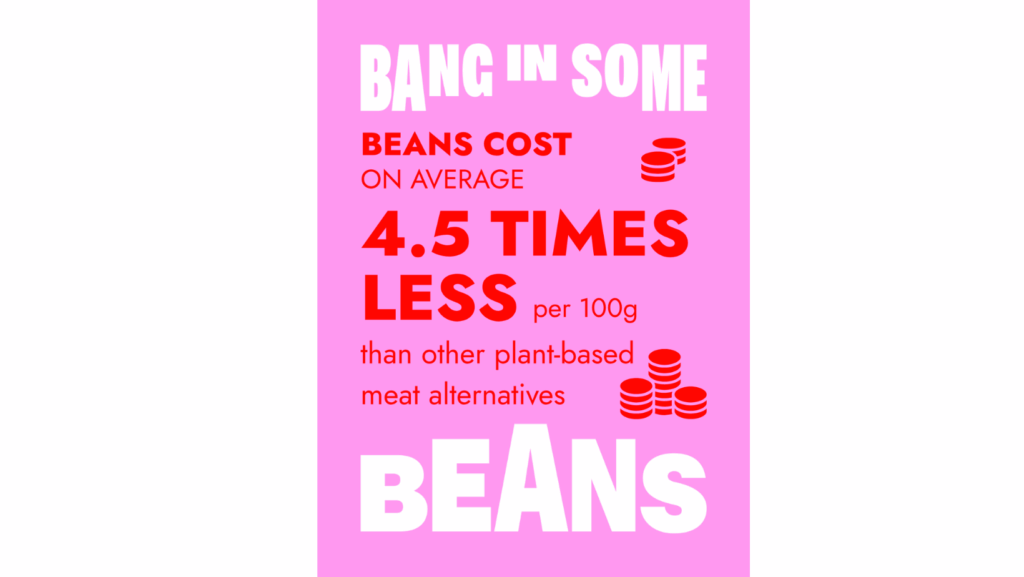
Affordable, satisfying and versatile across global menus and shelf‑stable, beans support healthier diets thanks to being protein-and fibre-rich. While also improving margins, reducing food waste and lowering Scope 3 emissions. As consumer demand grows for whole, plant‑rich foods, beans offer a rare win‑win‑win for people, planet and profit.
This blog explores why beans belong at the centre of modern menus and how operators can unlock their full commercial and sustainability potential.
Defining beans, pulses and legumes
Beans, pulses and legumes are terms that are often used interchangeably, but they refer to distinct, although closely related, food groups. However, “beans” is often used as an umbrella term to describe beans, pulses and legumes collectively. This makes it a simple, consumer‑friendly way to talk about a nutritious, affordable and sustainable ingredient group without over‑complicating the message.
Discover the benefits and opportunities in our new beans, legumes and pulses factsheet.
Maximise your menu with beans
Position beans as craveable, premium and satisfying and they’ll become a natural choice, not a compromise.
Follow the Whole Lotta Goodness trend
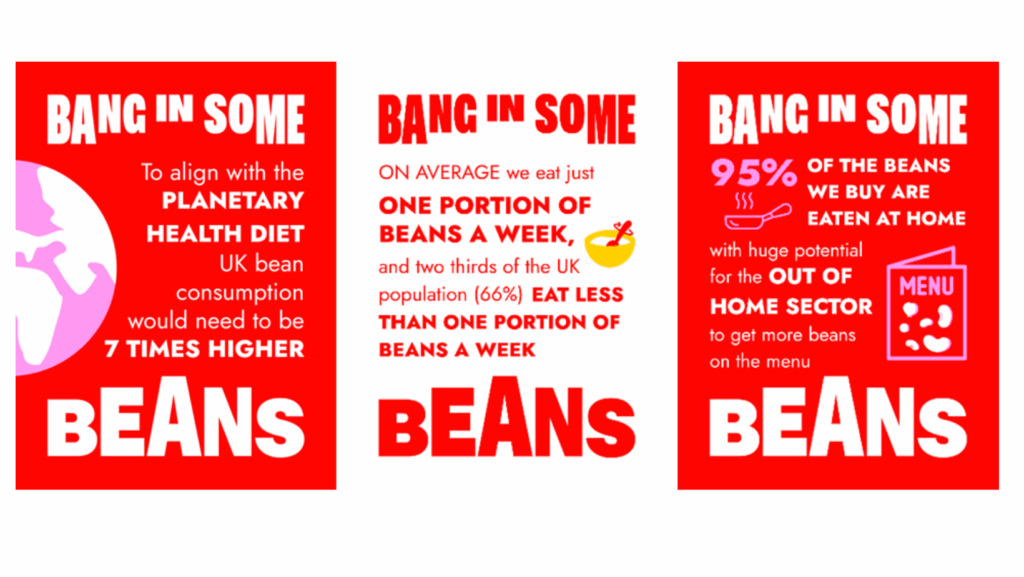
Our food and drink trends research show that when it comes to menu additions, consumers are most interested in adding beans and pulses to the dishes they eat when dining out of home over the next one to two years. This signals a clear opportunity for operators to respond with food that feels both relevant and future‑focused.1
The Whole Lotta Goodness trend reflects this growing demand for nutrient dense, whole foods. Diners are actively favouring ingredients that feel natural, authentic and less processed without compromising on taste or satisfaction. This positions beans, pulses and legumes as a key food trend. Enabling businesses to deliver health and plant-forward dishes that are accessible and affordable.
Make beans the hero
Base your dish around beans and pulses. One key element to sell more beans is to make them the foundation of the dish, not just a side. Folding butterbeans into a creamy risotto or stirring green lentils through a rice or grain bowl boosts fibre, protein and nutritional value, while also enhancing texture and flavour. Bean‑based dishes work across different cuisines and formats.
Make pulses the protein focus
Position beans and pulses as the main protein source, rather than presenting them as a “meat replacement”. Dishes like black bean and sweet potato tacos with avocado crema highlight how satisfying plant‑forward dishes can be. Hybrid plates such as spiced lamb and red lentil kofta or chicken and chickpea tagine, reduce meat content while maintaining familiarity for mainstream diners.2
Add pulse‑based toppings and customisable sides
Beans and pulses play perfectly into menu customisation, a strong and growing consumer trend. Fried lentils on tacos, crispy green peas on grain bowls or roasted cannellini beans on soups add crunch, flavour and visual appeal.
Use language to nudge behaviour
Words used on menus are as important as the ingredients themselves. Taste‑led language creates positive expectations and increases the likelihood of purchase.3 This is because sensory descriptors such as crispy, slow‑cooked, smoky, buttery or richly spiced enhance expectation on flavour, texture and indulgence. To add perceived quality and value highlight provenance or cooking method. Interestingly, labels like “vegetarian”, “vegan”, or “meat‑free” might unintentionally narrow a dish’s appeal; therefore, using icons or symbols to indicate dietary preferences instead could allow the dish itself to do the selling.4

Sustainable dishes drive sales
Sustainability isn’t just good for the planet, it’s good for business. According to research, 63% of diners say they would be very likely to try a restaurant’s most sustainable dish if they knew about it.5 This represents a significant untapped market opportunity, allowing operators to prominently promote their sustainability credentials while often delivering some of their highest margins on the menu. Operators should clearly label sustainable options, sharing carbon savings on menus, and tell the story behind their pulse-based creations to drive both customer loyalty and revenue.
Food waste biggest hidden costs
Food waste remains one of the major costs for the UK hospitality and foodservice businesses. According to WRAP, this sector generates around 1.1 million tonnes of food waste every year, accounting for 12% of total UK food waste post‑farm gate, with almost over £3.2 billion lost in edible food.6 For operators working on tight margins, this isn’t just an environmental challenge, it’s profit being lost in kitchens every single day.
Why shelf‑stable pulses outperform perishable proteins
Beans, pulses and legumes represent a massive opportunity to reduce spoilage costs in kitchens. On average, 21% of food waste arises from spoilage, 45% from food preparation, and 34% from plate waste.7’8
Highly perishable ingredients such as meat, fish, dairy and leafy greens require continuous temperature control throughout the supply chain.9 In contrast, dried products can be safely stored for 1 to 2 years without quality degradation.10 This shelf-life differential could directly reduce that 21% spoilage rate while also reducing costs.
Regulation is accelerating the business case
The Environment Act 2021 set the direction of travel by aiming to eliminate food waste to landfill by 2030. From April 2024–2025, businesses across England, Scotland, Wales and Northern Ireland are required to have separate food waste collections, increasing both oversight and cost for high waste kitchens.11‘12 Replacing perishable proteins with pulses may help reduce both compliance burden and waste management costs.
Beans mean healthier diets
When it comes to nutrition, beans are a powerhouse.
Fibre
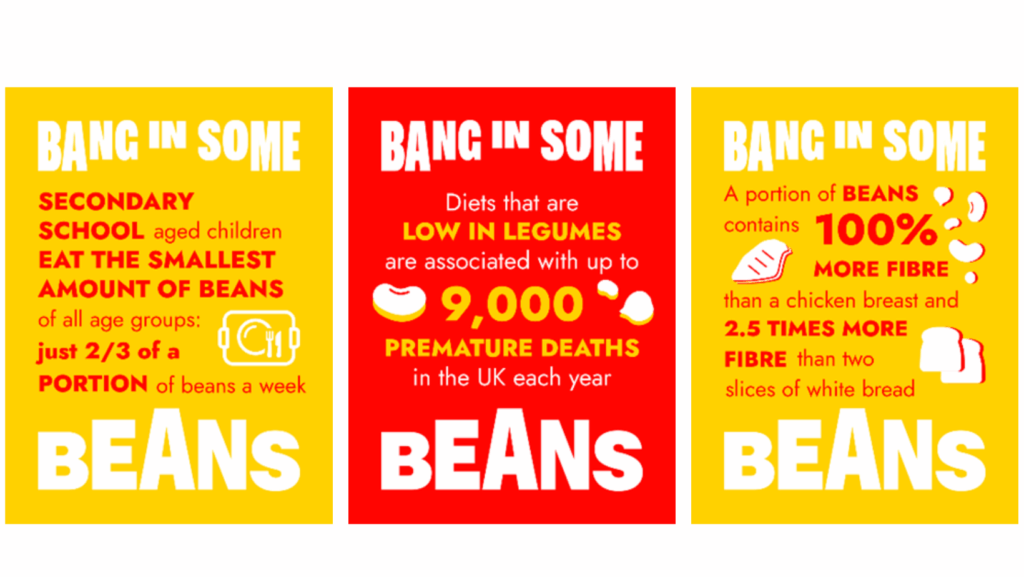
Beans are an excellent source of fibre, which plays a crucial role in gut health. In the UK, 96% of adults don’t achieve the recommended intake of 30g of fibre per day, making beans a simple and effective way to help close this gap. A diet high in fibre is associated with a lower risk of heart disease, type 2 diabetes and bowel cancer. Emerging research indicates a role for a healthy gut in supporting immune function and mental health, further highlighting the importance of fibre-rich foods such as beans.
Protein
Beans are also low in fat and high in plant-based protein. They provide significant levels of the amino acid lysine (amino acids are the building blocks of protein that we must get from the food we eat).
While some beans contain lower levels of other amino acids, this is easily balanced when a variety of foods is eaten across the day. For example, beans tend to be high in lysine but lower in methionine, whereas grains are lower in lysine and higher in methionine. When beans and grains are consumed as part of a varied diet, all essential amino acids will be supplied.
Beans can be added to dishes in any quantity, but one portion is typically around 80g of cooked beans, or 30g of dried beans. You might be surprised to hear that beans are also classed as a vegetable, with up to one portion contributing towards the recommended five different portions of fruit and vegetables per day.
Vitamins and minerals
In addition to fibre and protein, beans and pulses contain an array of vitamins and minerals that support overall health and wellbeing. These nutrients contribute to energy release, immune function, blood health and bone maintenance.
| Key vitamins found in beans | Key minerals found in beans |
| Vitamin B1 (thiamine): helps the body release energy from food Sources: peas (boiled), baked beans (regular or reduced sugar and salt) | Phosphorous: helps keep our bones and teeth healthy Sources: blackeye beans (boiled), broad beans (boiled), chickpeas (canned, reheated), edamame beans (frozen, boiled in water), red kidney beans (canned, reheated) |
| Pantothenic acid: contributes to mental performance Sources:edamame beans (frozen, boiled in water), cannellini beans (canned, reheated) | Copper: contributes to the normal functioning of the nervous system Sources: blackeye beans (boiled), broad beans (boiled), cannellini beans (canned, reheated), chickpeas (canned, reheated), edamame beans (frozen, boiled in water), red kidney beans (canned, reheated) |
| Vitamin B6: contributes to the normal function of the immune system Sources: edamame beans (frozen, boiled in water), chickpeas (canned, reheated) | Manganese: contributes to the maintenance of normal bones Sources: blackeye beans (boiled), broad beans (boiled), cannellini beans (canned, reheated), chickpeas (canned, reheated), edamame beans (frozen, boiled in water), red kidney beans (canned, reheated), peas (boiled) |
| Vitamin E: helps keep the skin and eyes healthy Sources: edamame beans (frozen, boiled in water) | Folate: contributes to normal blood formation Sources: blackeye beans (boiled), broad beans (boiled), green beans (boiled) |
| Vitamin K1: contributes to normal blood clotting Sources: peas (boiled) | Iron: contributes to the reduction of tiredness and fatigue Sources: edamame beans (frozen, boiled in water) |
The environmental case for pulses
Better for the planet, brilliant for the plate.
Beans for lower-carbon menus
Net-zero commitments have never been more scrutinised, with Scope 3 emissions, the indirect emissions that occur in the value chain, be the most difficult to tackle. When looking at food choices and measurable impact, beans represent the most strategic action to climate-friendly menus. Studies shows that pulse crops generate dramatically lower greenhouse gas emissions compared to animal proteins. One kilogram of lentils emits approximately 0.9 kg of CO2 equivalent, while beef production can generate upwards of 60 kg CO2 equivalent per kilogram.13 Revisiting existing recipes to add a portion of chickpeas, beans or lentils and lower animal protein content to dishes could reduce a restaurant’s carbon footprint by thousands of kilograms annually.
Beans support biodiversity
Beyond carbon reduction, beans are fundamental to biodiversity and soil health. Legumes such as peas and lentils have the incredible ability to fix atmospheric nitrogen into the soil. Thanks to the rhizobia, a soil bacterium living into the roots of these plants, legumes absorb nitrogen from the air and convert it into ammonia. This nitrogen will work back into the soil as a natural fertiliser, reducing the need for synthetic options.14 By sourcing and promoting bean-based dishes, food service operators actively support farming practices that protect ecosystems and waterways essential for long-term food security.
Beans deliver where it matters most. They help operators cut carbon, reduce food waste, protect margins and meet evolving consumer and regulatory expectations, all without compromising taste. In a sector under constant pressure, few ingredients offer such a simple, scalable and cost‑effective route to impact. Moving beans from the side dish to the spotlight is not just a sustainability choice, but a smart business decision. By embracing beans, legumes and pulses, foodservice businesses can build menus that are healthier, more resilient and fit for the future.
Bang In Some Beans with us
The opportunity is clear. Now is the moment to act.
Join the Food Foundation Bang In Some Beans campaign and be part of a growing movement committed to transforming UK diets. By becoming a pledger or supporter, your business will help double UK bean consumption by 2028, supporting healthier diets, lower‑carbon menus and more resilient, cost‑effective food systems.
Whether you’re shaping menus, influencing supply chains or setting sustainability strategy, this is a simple, impactful step that delivers benefits for people, planet and profit.
Bang In Some Beans and make a difference that matters. If you’re a Bidfood customer and are interested in making a pledge, speak to your Account Manager to see how we could work together. You can also follow the journey on LinkedIn.
Resources:
- Bidfood Food and Drinks trends 2026
- Science Direct, A reversal of defaults: Implementing a menu-based default nudge to promote out-of-home consumer adoption of plant-based meat alternatives, 2022
- Sage Journals, Increasing Vegetable Intake by Emphasizing Tasty and Enjoyable Attributes, 2019
- The sustainable restaurant association, How to Encourage Sustainable Choices Through the Language on Your Menu, 2023
- Statista, 2020; cited in Growyze, 2024
- UK progress against Courtauld, 2025 targets and UN Sustainable, Development Goal 12.3
- WRAP, Overview of waste in the hospitality and food service sector, 2011/2020;
- 21 Key Statistics on Sustainability and Food Waste for UK Businesses
- Food Standards Agency (FSA). Guidance on Temperature Control Legislation in the United Kingdom (2016)
- Technical Platform on the Measurement and Reduction of Food Loss and Waste (TPFLW)
- WasteManaged, Food Waste Statistics, 2025
- Policies managing food waste, gov.co.uk
- Reducing food’s environmental impacts through producers and consumers
- Multiple benefits of legumes for agriculture sustainability