The UK Hospitality industry is facing enduring challenges, from staffing shortages and rising customer expectations to economic uncertainties. UK Hospitality has reported a £3.4 billion annual cost increase in the sector, with energy costs being one of hospitality businesses’ biggest concerns, as average energy costs rise by 80% year-on-year! This is a significant challenge for operators, with many reassessing energy usage and prioritising cost savings
Our Unlock Your Menu campaign is all about supporting the food service industry through the various challenges we face with ideas and solutions to help overcome them. With that in mind, we have collated solutions to help kitchens run more efficiently to help you reduce costs where possible.
1. Promote an energy saving culture in your team

Sustainability is not just a trend, it is a change that is here to stay. It is top of mind not only for consumers but also for operators and staff. Our research for 2025 food and drink trends showed that businesses who have proactive practices in place are top considerations for customers. By creating a culture of responsibility to reduce energy use, you will feel a substantial impact on cost reductions, too. But where should you start?
Firstly, it is integral to educate your team, ensuring they have the knowledge and confidence to run a kitchen efficiently and implement energy-saving principles. Our free e-learning platform, Caterer’s Campus, exclusively available to all Bidfood customers, offers modules covering kitchen efficiency, environmental awareness, and much more.
Nominate ‘Energy champions’ within your team who are responsible for turning off lights, ovens, and equipment when not in use and making sure the heating and hot water are set at the right temperature.
2. Optimise your kitchen
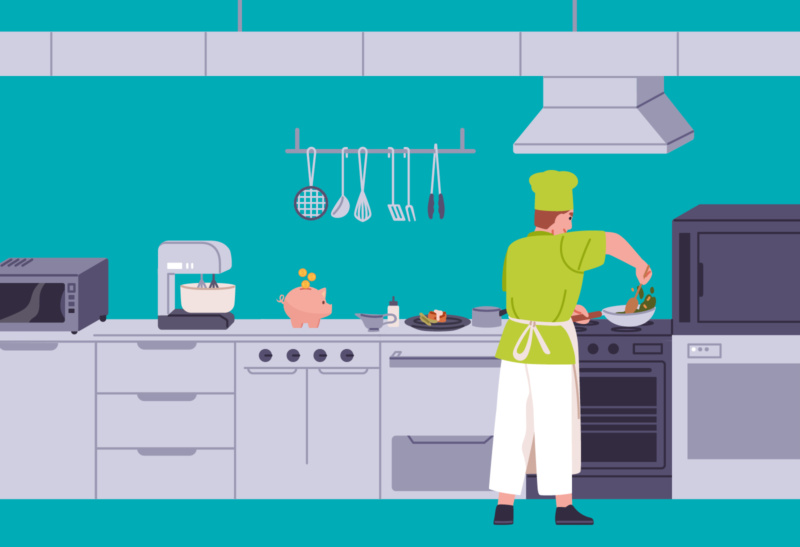
Making minor changes to the way you run your kitchen can make a big difference in energy costs. Think about the slight changes you can make when running your kitchen, and whether you are already enforcing them. Do you turn off all idle equipment? Do you maintain equipment regularly? Do you use water wisely?
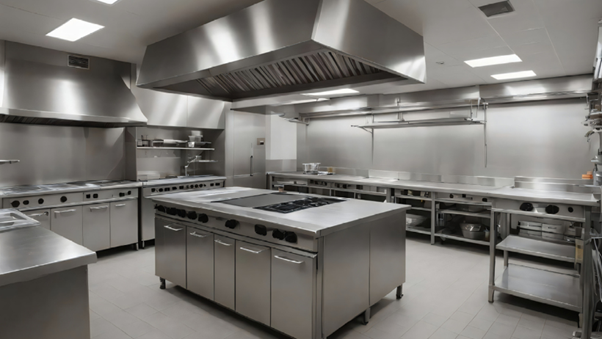
Top tip: The layout of your kitchen is key to saving energy. Keeping fridges and freezers away from heat sources, and strategically positioning vents can be the key to reducing energy waste and keeping your kitchen running smoothly.
3. Engineer your menus with energy saving in mind
By making slight changes to your recipes, you can make a big difference. When you are developing menus, evaluate all the equipment that a recipe uses and find opportunities to use alternatives that do not use as much energy.
Could you condense your menu with fewer cooked items or recipes that take less time to cook?
Could you opt for smaller portions?
Could you make more swaps to frozen ingredients?
Top tip: Try batch cooking your recipes by planning your menu and making full use of the oven while it is on.

4. Focus on your ingredients
Ingredients are important to energy saving due to the components you choose. This can affect how much energy is used during the production, use, and disposal of each recipe. Therefore, look for opportunities to change ingredients without impacting the quality of your recipes.
Could you thaw and serve desserts rather than those that need cooking?
Could you make simple switches, like using tinned fruit and pie fillings rather than stewing from fresh?
Could you buy pre-cooked meats or pasta?
By implementing these strategies, your commercial kitchen can significantly reduce energy costs and enhance operational efficiency. Start today by assessing your energy usage, training staff, and exploring energy-saving equipment upgrades.
Unlock Your Menu goes beyond energy savings. From reducing food waste to managing inflation, it offers the cost-saving tools and resources you need to keep your kitchen efficient and profitable.
Explore Unlock Your Menu and see how small changes can unlock big value.
Sources:
- UKHospitality, £3.4 bn annual cost increases hit hospitality, 1 April 2022.
- UKHospitality, Pubs and restaurants struggle to remain optimistic with average energy costs up 80% on last year, date of data collection not specified.
- Bidfood, Food and Drink Trends 2025, sample size 2,000 adults, data collected May 2024
- Bidfood, cut costs and conserve energy in commercial kitchens.